Skip to content
Many people want a healthy breakfast but don’t have much time in the morning. Overnight oats are a simple answer. You mix oats, milk, and toppings in a jar, leave it in the fridge, and it’s ready when you wake up. But there’s a problem that stops beginners: What size mason jar for overnight oats is best? Too small, and your oats might spill out. Too big, and it takes up extra space in your fridge. Choosing the right jar size makes your breakfast routine smooth and stress-free.
Why Mason Jar Size Matters For Overnight Oats
At first, any jar might seem okay. However, the mason jar size affects everything from the oats’ texture to how easy it is to eat and store. If your jar is too small, the oats can expand overnight, causing a mess. A large jar can look half-empty, which isn’t appealing and can also lead to drying out. The right size makes it easy to mix, add toppings, and grab-and-go in the morning.
Common Mason Jar Sizes For Overnight Oats
Mason jars come in several sizes. The most popular for food prep are half pint (8 oz), pint (16 oz), and quart (32 oz). Each size has its own uses, pros, and cons.
| Jar Size | Ounces (oz) | Common Use | Pros | Cons |
|---|---|---|---|---|
| Half Pint | 8 | Snacks, small portions | Portable, compact | Too small for full breakfast |
| Pint | 16 | Standard overnight oats | Perfect size, easy to mix | May feel heavy for light eaters |
| Quart | 32 | Meal prep, sharing | Can make multiple servings | Bulky, takes more space |
Most people find that 16 oz (pint) mason jars work best for overnight oats. This size gives enough space for oats, liquid, mix-ins, and toppings, and still leaves room for the oats to expand.
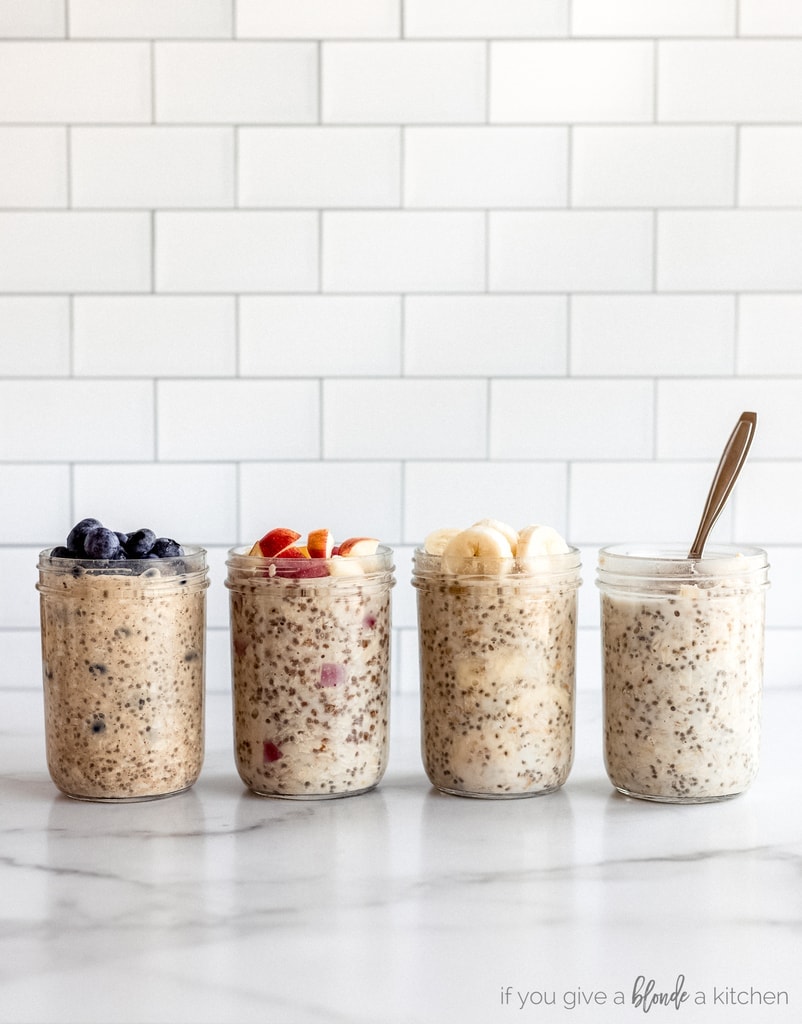
Credit: www.ifyougiveablondeakitchen.com
Choosing The Best Size For Your Needs
Finding the perfect jar size depends on your eating habits, portion size, and fridge space.
For Standard Single Servings
The 16 oz (pint) mason jar is ideal for most overnight oats recipes. It holds about ½ cup of oats, ½ to 1 cup of milk, plus extras like yogurt, fruit, or nuts. After mixing, there’s enough headspace for the oats to expand and for you to stir in the morning.
For Lighter Or Child Portions
If you want a smaller meal or are preparing oats for children, the 8 oz (half-pint) jar is a good choice. It fits about ⅓ cup of oats and ⅓ to ½ cup of milk. There’s less space for toppings, but it keeps the portion small and easy to eat.
For Large Appetites Or Meal Prep
People who like a big breakfast or want to add lots of mix-ins might prefer a 32 oz (quart) jar. This jar can hold double or triple servings. Some families use it to make oats for two or three people at once, scooping out portions as needed.
Refrigerator And Storage Concerns
Before buying a set of jars, check your fridge’s shelf height. The 16 oz jar is compact and fits most fridges. Quart jars are taller and bulkier. If you want to prep several jars at once for the week, make sure you have enough space for them to stand upright.
Wide Mouth Vs Regular Mouth Jars
Mason jars come in wide mouth and regular mouth versions. The wide mouth has a larger opening, making it easier to add ingredients, mix, and eat with a spoon.
| Type | Opening Diameter | Best For | Downsides |
|---|---|---|---|
| Wide Mouth | 3 inches | Mixing, adding toppings | May cost a bit more |
| Regular Mouth | 2.5 inches | Liquids, pouring | Harder to eat from |
For overnight oats, wide mouth jars are highly recommended. They let you layer ingredients, mix without spilling, and easily eat with a regular spoon. Regular mouth jars can work, but you might find it hard to get all your oats out—especially thick mixtures.
How To Portion Ingredients For Each Jar Size
Different jar sizes mean you need to adjust your overnight oats recipe. Here’s a quick guide for typical ingredient amounts:
| Jar Size | Oats | Milk/Yogurt | Toppings | Headspace |
|---|---|---|---|---|
| 8 oz | ⅓ cup | ⅓–½ cup | Small amount | ~1 inch |
| 16 oz | ½ cup | ½–1 cup | Generous | ~1½ inches |
| 32 oz | 1 cup | 1½–2 cups | Multiple servings | ~2 inches |
Headspace is the empty area at the top of the jar. It’s important because oats expand overnight. If you fill the jar to the top, you may have a mess in the morning.
Glass Vs Plastic Jars
While mason jars are usually glass, you can also find plastic food prep jars. Glass is better for overnight oats because it doesn’t hold odors or stain, and it’s microwave safe (if you want to warm your oats). Glass jars also keep oats fresher and are easier to clean.
Plastic jars are lighter and less likely to break, making them useful for kids or travel. However, they may not seal as tightly, and some types can’t handle hot foods or the dishwasher.
Mistakes People Make When Choosing Mason Jars
Beginners often make some common mistakes:
- Choosing a jar that’s too small. Oats and chia seeds absorb liquid and expand. Even if your ingredients fit at first, they might overflow by morning.
- Picking a jar that’s too large for one serving. This can make your oats dry out or feel unappetizing. Oversized jars are best for batch prep.
- Using regular mouth jars. It’s much harder to add fruit, mix, or eat from a jar with a small opening.
- Ignoring the lid seal. Some cheaper jars have loose lids that leak if you shake your oats or store them on their side.
- Skipping headspace. Always leave at least 1 inch of space at the top to allow for expansion.
Practical Tips For Prepping Overnight Oats In Mason Jars
- Layer ingredients smartly. Place oats and chia seeds at the bottom, then add liquid, sweeteners, and finally fruit or crunchy toppings. This keeps textures fresh.
- Don’t overfill. Even in a 16 oz jar, stop at about ¾ full before chilling.
- Label your jars. If you prep several at once, add a sticker or write the date and flavor on the lid.
- Shake or stir before eating. Oats may settle, so mix them for best texture.
- Batch prep on Sunday. Most overnight oats last up to 5 days in the fridge. Prep 5 jars at once for a grab-and-go breakfast all week.
You might find this helpful: Best Mason Jars for Overnight Oats
Are There Alternatives To Mason Jars?
Some people use other containers, like plastic meal prep cups, small Tupperware, or even old jam jars. These can work as long as they seal tightly and are food safe. However, mason jars are preferred because they’re durable, reusable, and visually appealing.
They also come in standard sizes, so recipes are easier to follow.
When To Use A Bigger Jar
If you like adding a lot of mix-ins—such as chopped apples, berries, or protein powder—you might want to go up a size. A 24 oz mason jar can be a good middle ground between the 16 and 32 oz options. These aren’t as common but are available online and in some kitchen stores.
Bigger jars are also useful if you want to layer oats and toppings for a more attractive look, or if you plan to eat your oats as a full brunch with extras like nut butter or granola.
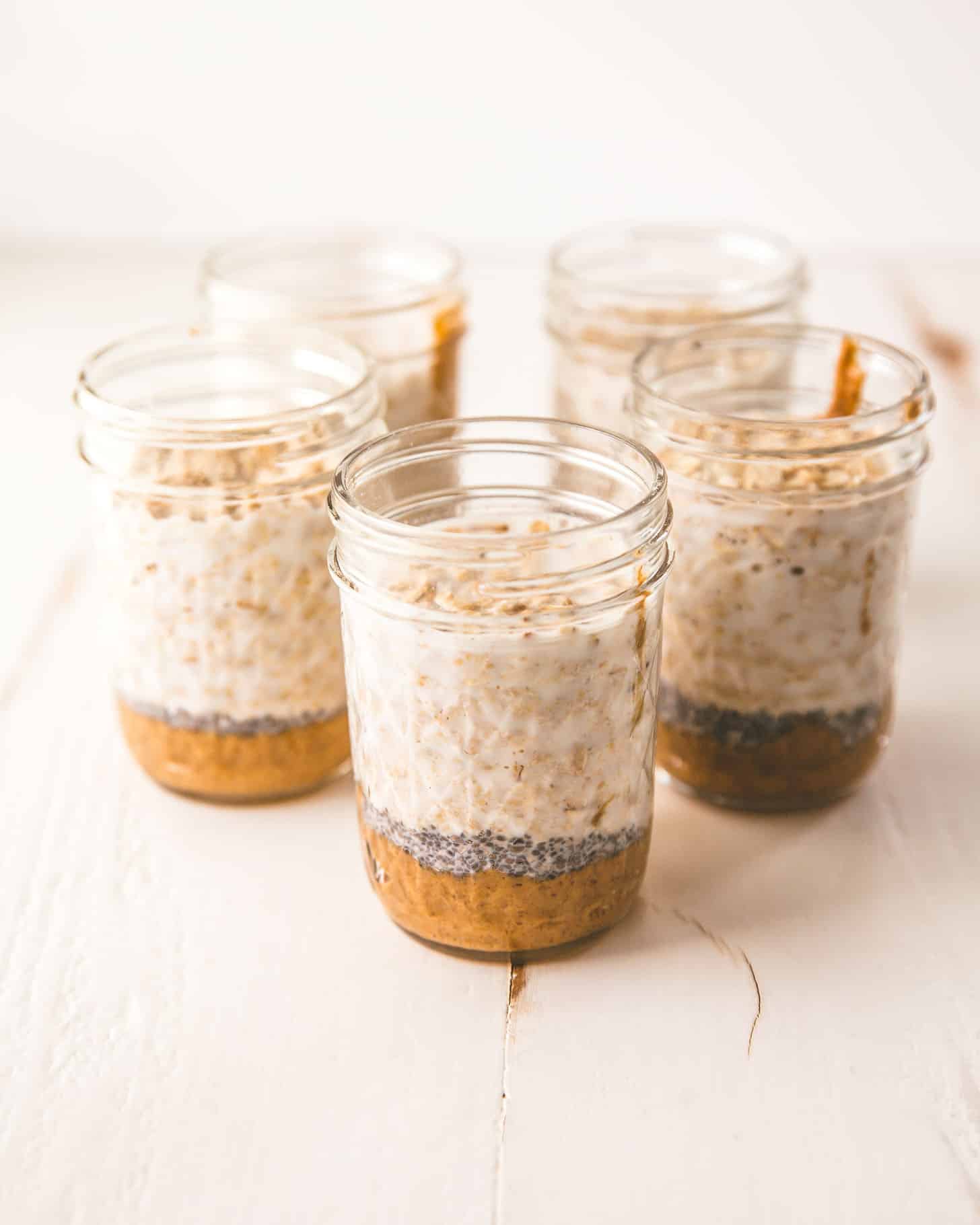
Credit: inquiringchef.com
How To Measure Mason Jar Size
If you already have jars at home, you might not know their size. Most jars have the volume marked on the bottom or side. If not, fill the jar with water and pour the water into a measuring cup to check how many ounces it holds.
Remember, 1 cup is 8 ounces. So a 16 oz jar holds 2 cups, and a 32 oz jar holds 4 cups.
Cleaning And Reusing Mason Jars
One big benefit of using glass mason jars is how easy they are to clean. You can put them in the dishwasher, and they don’t stain from fruit or spices. The glass doesn’t hold smells, so your next batch of oats won’t taste like yesterday’s.
Be sure to remove any rubber seals from the lid before washing, as these can trap moisture and grow mold if not dried completely.

Credit: www.amazon.com
Sustainability And Cost
Mason jars are a smart choice for people who want to cut down on waste. Instead of using disposable cups or plastic containers, you can reuse your jars for months or even years. You can find good-quality mason jars in most supermarkets, home stores, or online.
The initial cost for a set of jars is usually around $10–$15 for a pack of four 16 oz jars. This is a small investment that pays off over time, especially if you prep breakfast for a whole family.
For more on the history and types of mason jars, you can check this Wikipedia article.
Frequently Asked Questions
What Is The Best Size Mason Jar For Overnight Oats?
For most people, the 16 oz (pint) wide mouth mason jar is the best size. It holds a standard single serving, has space for mix-ins, and is easy to eat from. It’s also the most common size used in recipes.
Can I Use An 8 Oz Mason Jar For Overnight Oats?
Yes, an 8 oz (half-pint) mason jar works if you want a smaller portion. It’s perfect for kids or for a light snack. However, it can be too small for larger breakfasts or if you want to add many toppings.
Are Plastic Jars Safe For Overnight Oats?
Plastic jars can be used, but glass mason jars are better. Glass keeps oats fresh, doesn’t hold odors, and is safe to use in the microwave. If you choose plastic, make sure it’s BPA-free and seals tightly.
How Much Headspace Should I Leave In My Jar?
Leave at least 1 inch of headspace at the top of your mason jar. Oats expand overnight as they soak up liquid, and toppings take up space. This prevents spills and mess.
Do I Need To Use A Mason Jar, Or Can I Use Another Container?
You can use any food-safe, airtight container. Mason jars are popular because they’re reusable, durable, and easy to clean. Other containers, like Tupperware, also work as long as they seal well.
Choosing the right mason jar size for overnight oats makes your mornings easier and breakfast more enjoyable. With the tips above, you’ll avoid common mistakes and find the perfect fit for your routine. Whether you’re meal prepping for the week or making a single jar, a 16 oz wide mouth mason jar is a safe, convenient, and stylish choice for most people.