Skip to content
Using a stand mixer can transform your kitchen experience, making baking and cooking much easier. But many people wonder, “What speed should I use on a stand mixer? ” The answer depends on what you’re mixing, the recipe, and the mixer itself.
Choosing the right speed affects the texture, taste, and look of your food. If you use the wrong speed, your dough may be tough, your cake batter may not rise, or your whipped cream may turn into butter. Let’s explore how to pick the best speed for each task, common mistakes to avoid, and tips that even experienced bakers sometimes miss.
Understanding Stand Mixer Speeds
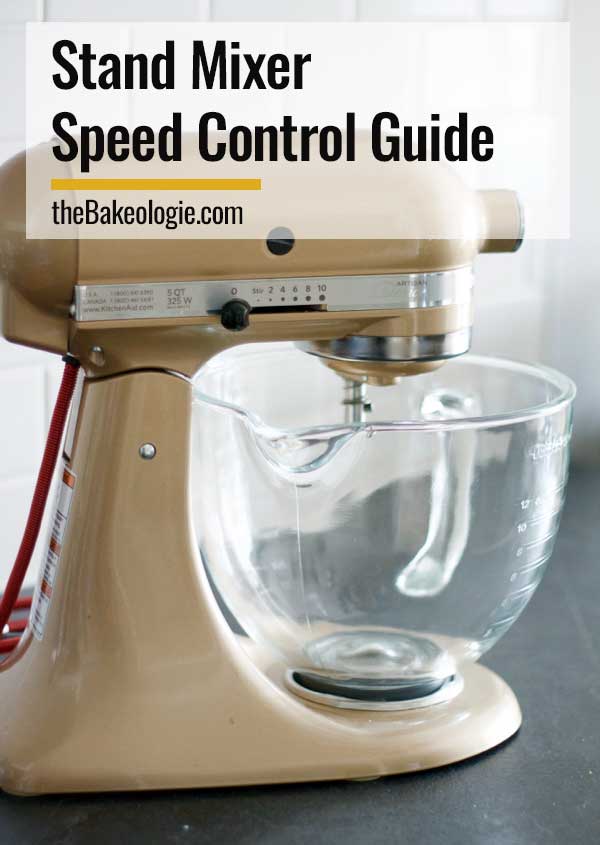
Most stand mixers have multiple speed settings, usually ranging from 1 (slowest) to 10 (fastest). These speeds are not just for convenience—they control how ingredients are blended, whipped, or kneaded.
Low speeds (1-2) are gentle and are great for starting mixes, folding ingredients, or kneading dough. Medium speeds (3-6) handle most batters and heavier mixtures. High speeds (7-10) are used for whipping cream, beating egg whites, and aerating mixtures.
Here’s a quick comparison of what each speed setting is typically used for:
| Speed Setting | Common Uses | Risks of Wrong Speed |
|---|---|---|
| 1-2 (Low) | Mixing dry ingredients, kneading dough | Too slow: Won’t combine fully; Too fast: Dough overworked |
| 3-6 (Medium) | Mixing batters, creaming butter | Too slow: Batter lumpy; Too fast: Batter too airy |
| 7-10 (High) | Whipping cream, beating egg whites | Too slow: Won’t whip; Too fast: Overwhipped |
Choosing The Right Speed For Different Recipes
Not all recipes require the same speed. The right setting depends on the texture you want, the ingredients, and the goal. Here are specific examples:
Bread Dough
Bread dough needs a slow and steady approach. Use speed 1 or 2 for kneading. If you go faster, the gluten can break down, making bread dense and tough. Most recipes suggest kneading for 5-10 minutes at a low speed. A common mistake is starting too fast, which can send flour flying and cause uneven mixing.
Cake Batter
For cake batter, use a medium speed. Start slow to combine ingredients, then increase to 4-6 to cream butter and sugar until light and fluffy. Over-mixing at high speed can cause cakes to sink or be dry. Under-mixing at low speed leaves lumps and prevents proper rise.
Whipped Cream
Whipped cream needs high speed. Start at speed 4-6 until the cream thickens, then move to 8-10 to finish. Stop immediately when soft peaks form—going too long turns cream into butter. If you’re new to stand mixers, watch closely. The change happens fast.
Egg Whites
Egg whites should be whipped at a high speed. Begin at speed 4, then increase to 8-10. You want stiff peaks for meringue or soufflés. Too slow, and the whites won’t rise; too fast at the start, and they’ll collapse.
Cookie Dough
Cookie dough mixes best at a medium speed. Start at low speed to combine ingredients, then raise to 3-4. High speed can make dough sticky and tough. For add-ins like chocolate chips or nuts, use the lowest speed or fold them by hand.
Factors That Affect Mixer Speed Choice
Several things influence which speed to use, beyond just the recipe.
- Mixer Model: Different brands have different power levels. For example, a KitchenAid at speed 6 is not the same as another brand at speed 6.
- Attachment Type: Use the dough hook for kneading, paddle for batters and doughs, and whisk for whipping. Each works best at certain speeds.
- Ingredient Temperature: Cold butter needs a slower speed to avoid clumping. Warm ingredients mix easier at medium speeds.
- Batch Size: A small batch needs lower speeds; large batches can handle higher speeds without splashing.
- Recipe Complexity: Some recipes need speed changes during mixing. Always read instructions carefully.
Here’s a comparison of how attachments work with different speeds:
| Attachment | Best Speed Range | Tasks |
|---|---|---|
| Dough Hook | 1-2 | Kneading bread, pizza dough |
| Paddle | 2-6 | Cake batter, cookie dough, creaming butter |
| Whisk | 6-10 | Whipping cream, beating egg whites |
Stand Mixer Speed: Practical Tips And Mistakes To Avoid
Even experienced cooks sometimes make mistakes with mixer speeds. Here are practical tips and non-obvious insights to help you succeed:
- Always start slow. When adding ingredients, begin at the lowest speed to prevent splashing and ensure even mixing.
- Gradually increase speed. Recipes often need you to move from slow to medium or high as the mixture comes together.
- Watch for visual cues. Don’t rely only on timing or speed numbers—look for changes in texture and color.
- Pause and scrape the bowl. At any speed, ingredients can stick to the sides. Stop the mixer, scrape, and continue. This prevents uneven mixing.
- Don’t overload the mixer. Too much dough or batter can strain the motor, no matter the speed. Follow the manufacturer’s batch size guidelines.
- High speed is not always better. Using high speed for everything can ruin texture, cause splashing, and damage the mixer.
- Short bursts for delicate mixes. When folding in ingredients or mixing delicate items, use short bursts at low speed or finish by hand.
A mistake beginners make is using the same speed for all recipes. Another is ignoring the effect of room temperature ingredients—cold eggs or butter need more gentle mixing.
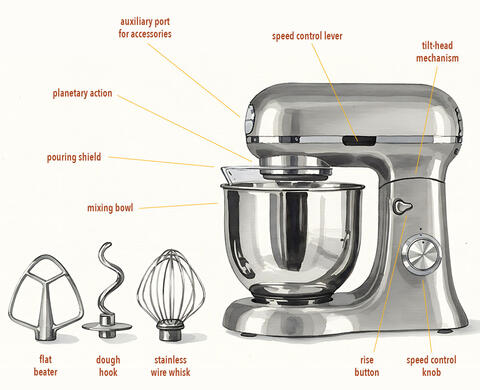
Credit: extension.msstate.edu
Stand Mixer Speed And Food Texture
Mixer speed affects the texture of your food in ways that aren’t always obvious. For example, if you over-mix cake batter at high speed, you add too much air and gluten forms, making the cake tough. If you under-mix bread dough, the gluten doesn’t develop and the bread won’t rise.
Here are some real-world examples:
- Smooth mashed potatoes: Start at low speed, then increase to medium for a creamy texture. High speed can make them gluey.
- Frosting: Cream cheese frosting needs medium speed. Too fast makes it runny and unstable.
- Soufflé: Egg whites must be whipped at high speed until stiff, but over-whipping breaks down the foam.
How Stand Mixer Speed Impacts Baking Results
Data shows that speed selection matters. In a test by America’s Test Kitchen, cakes mixed at high speed were 25% denser than those mixed at medium speed. Bread kneaded at the wrong speed failed to rise as much as properly kneaded bread.
Professional bakers adjust speeds based on the recipe and their experience. For example, French bakers knead dough at slow speed for up to 20 minutes to develop structure, while home bakers may use higher speeds for shorter times, risking loss of texture.
Credit: thebakeologie.com
Stand Mixer Speed For International Recipes
Different cuisines use mixers for unique tasks. Japanese bakers use low speeds for delicate sponge cakes to avoid deflating the batter. Italian recipes for pasta dough require slow kneading, while American cookies often use medium speed for creaming butter.
If you’re trying recipes from other countries, pay attention to their mixing instructions. Sometimes, the speed settings are very different from US recipes.
Stand Mixer Speed And Safety
Safety is often overlooked. Using high speed with heavy dough can damage your mixer or cause it to move across the counter. Always secure the mixer, don’t leave it unattended at high speed, and keep hands and utensils clear while running.
Manufacturers recommend using lower speeds for thick mixtures and only using high speeds for light, airy tasks.

Credit: www.kitchenaid.com
Stand Mixer Speed Troubleshooting
If your mixer struggles, makes noise, or ingredients aren’t blending well, check your speed. Too high a speed for thick dough can overload the motor. Too low a speed for whipping means the mixture won’t aerate.
If the mixer heats up or smells like burning, stop immediately. Let it cool and reduce the speed or batch size next time. Always check the manual for recommended speeds and maintenance tips.
Stand Mixer Speed: Summary Table
Here’s a summary table showing ideal speed settings for popular tasks:
| Task | Recommended Speed | Notes |
|---|---|---|
| Kneading bread | 1-2 | Slow to develop gluten |
| Cake batter | 4-6 | Medium for fluffy texture |
| Whipped cream | 8-10 | High for fast aeration |
| Cookie dough | 3-4 | Medium for even mixing |
| Egg whites | 8-10 | High for stiff peaks |
| Mashed potatoes | 2-4 | Medium for smoothness |
Expert Tips For Stand Mixer Speed
Even if you know the basics, a few advanced tips can make a big difference:
- For doughs, use the windowpane test: After kneading at low speed, stretch the dough. If it forms a thin “window” without tearing, the gluten is ready.
- For whipped cream, chill the bowl and beaters. Cold tools help cream whip faster and hold its shape.
- For cakes, sift dry ingredients first and use a paddle at medium speed for best texture.
- For meringue, add sugar slowly at high speed for stable peaks.
A tip many people miss: If your mixer has a “soft start” feature, use it. This prevents flour or sugar from spilling out when you begin mixing.
Frequently Asked Questions
What Speed Should I Use To Knead Bread Dough?
Use speed 1 or 2 with the dough hook. This develops gluten slowly and prevents tearing. Don’t use higher speeds, as they can overwork the dough and make bread tough.
Can I Use High Speed For All Recipes?
No. High speed is only good for whipping cream, beating egg whites, or making meringue. For doughs and batters, high speed can ruin the texture or cause ingredients to splash out.
How Do I Know If I’m Using The Right Speed?
Look for visual cues: smooth, even mixture for batters; soft peaks for whipped cream; elastic dough for bread. If the mixture looks wrong, adjust the speed. Check your mixer’s manual for guidance.
Does Mixer Speed Affect The Final Taste?
Yes, especially for baked goods. Over-mixing at high speed can make cakes dry and dense. Under-mixing at low speed leaves lumps and prevents proper rise. Proper speed creates the best flavor and texture.
Where Can I Find More Information About Stand Mixers?
You can learn more about stand mixer care and usage at Serious Eats, which offers detailed guides and tips for beginners and experts.
Choosing the right speed on your stand mixer is more than just following numbers—it’s about understanding your recipe, your mixer, and the texture you want. With practice, you’ll know when to start slow, when to speed up, and when to stop.
If you use these tips, you’ll get better results every time you bake or cook. Don’t be afraid to experiment and adjust speeds as needed. Your stand mixer is a powerful tool—learn to use it wisely, and your kitchen creations will shine.