Skip to content
Steak is more than just a meal—it’s an experience. The texture, flavor, and juiciness all depend on one critical factor: cooking temperature. Whether you’re grilling, pan-searing, or oven-roasting, knowing the right temperature makes the difference between a perfect steak and a disappointing one. Many home cooks struggle with this decision, unsure whether to trust the thermometer, rely on color, or follow tradition.
This guide explains the science and art of steak temperatures, so you can cook with confidence and impress at your next dinner.
Why Steak Temperature Matters
Steak’s quality changes dramatically with heat. The internal temperature controls how much juice remains, how tender the meat feels, and how strong the flavor is. Cooking steak too hot dries it out; too cool leaves it chewy and sometimes unsafe. Restaurants use precise temperatures to match guest preferences—rare, medium, well-done—and deliver consistent results.
Food safety is another reason. Raw beef can carry bacteria. The USDA suggests a minimum internal temperature of 145°F for safety, but many chefs prefer lower temperatures for taste and texture. Balancing safety and flavor is essential.
Understanding Steak Doneness Levels
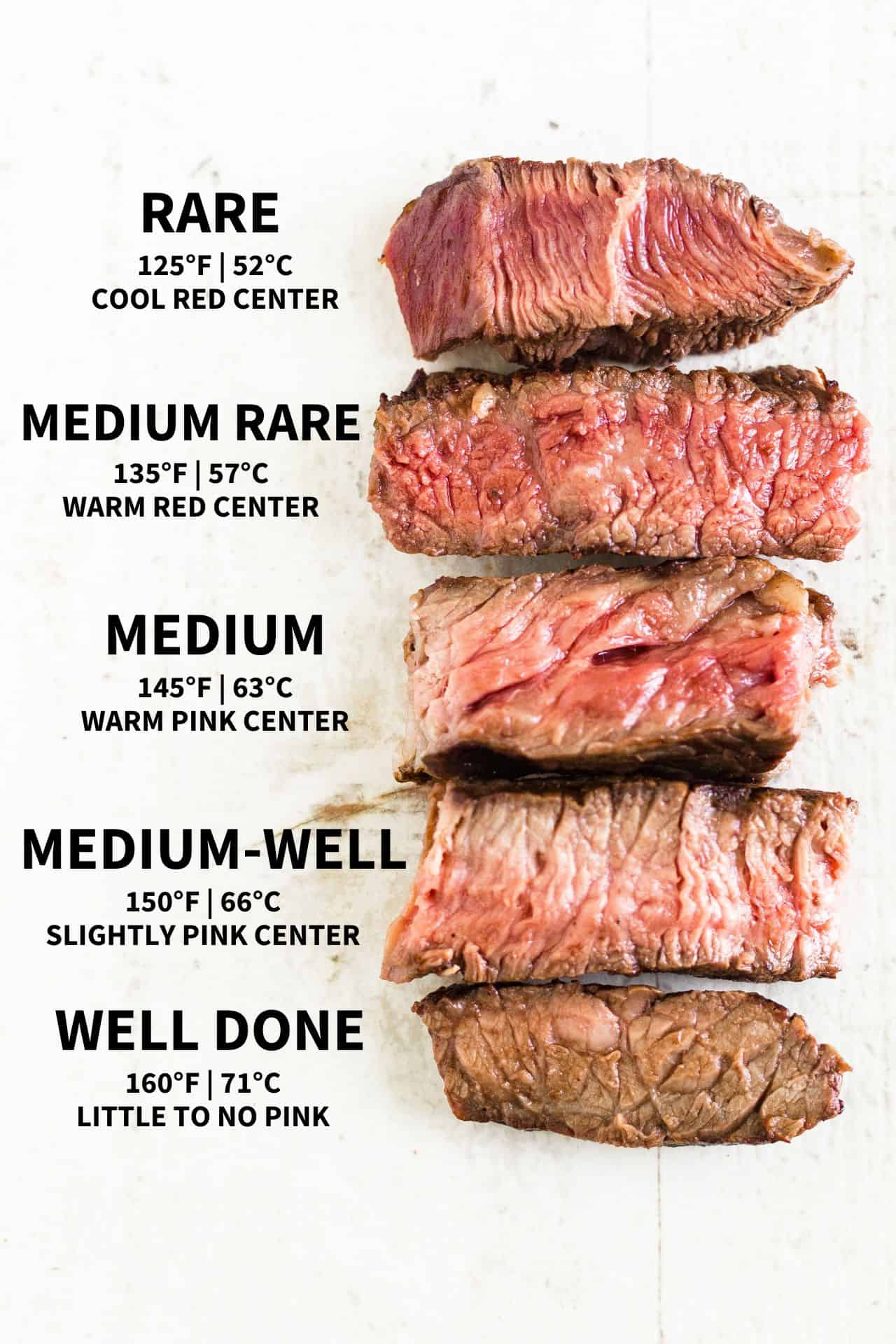
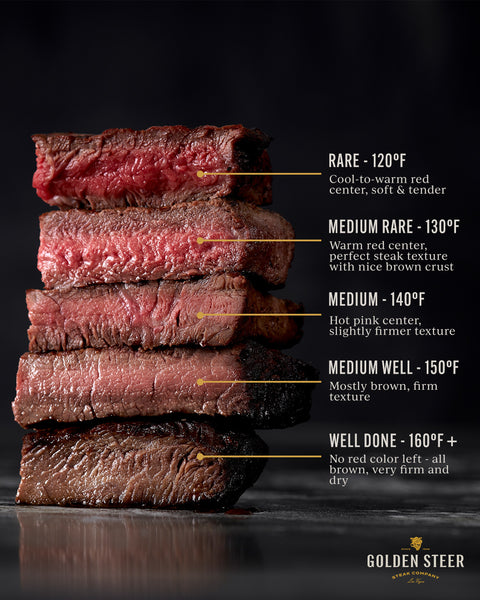
Most people order steak by “doneness”—rare, medium, etc. —but few know what these words mean scientifically. Here’s a breakdown of the main levels, with their corresponding temperatures.
| Doneness | Internal Temperature (°F) | Description |
|---|---|---|
| Rare | 120–125 | Very red, cool center; soft, juicy |
| Medium Rare | 130–135 | Warm red center; tender, flavorful |
| Medium | 140–145 | Pink center; firmer texture |
| Medium Well | 150–155 | Light pink, mostly cooked; less juice |
| Well Done | 160+ | Brown throughout; firm, little juice |
Each level offers a unique taste and feel. Rare is popular with steak lovers who prefer maximum juiciness. Medium rare is the most common restaurant choice. Medium and well done appeal to those who want less pink or are concerned about safety.
Factors That Affect Steak Cooking Temperature
Cooking steak to the right temperature isn’t just about numbers. Several factors influence the final result:
1. Steak Thickness
Thicker steaks need more time and lower heat to cook evenly. Thin steaks cook faster and can easily overcook.
2. Cut Of Beef
Different cuts—like ribeye, sirloin, filet—have varying fat content and tenderness. Fatty steaks handle higher temperatures better.
3. Starting Temperature
Steak straight from the fridge cooks differently than steak at room temperature. Letting it rest before cooking gives more control.
4. Cooking Method
Grilling, pan-searing, sous-vide, and oven-roasting each distribute heat differently. Direct heat cooks faster but risks burning.
5. Carryover Cooking
After removing steak from heat, the internal temperature rises by 5–10°F. Always factor this in, especially for thick cuts.
A common beginner mistake is ignoring carryover. For example, if you want medium rare (135°F), you should pull the steak at 130°F and let it rest. This ensures the steak isn’t overcooked.
How To Measure Steak Temperature Accurately
The best way to check steak temperature is with a meat thermometer. Insert it into the thickest part of the steak, avoiding bone or fat for the most accurate reading. Digital thermometers are fast and reliable, but analog ones work too.
Some cooks use the “finger test” to estimate doneness by pressing on the steak. This method is inconsistent, especially for beginners. Using a thermometer removes the guesswork.
Here’s a quick comparison of temperature-checking methods:
| Method | Accuracy | Ease of Use |
|---|---|---|
| Meat Thermometer | Very High | Easy |
| Finger Test | Low | Moderate |
| Color Judging | Medium | Easy |
| Time-Based | Low | Easy |
Investing in a good thermometer costs less than wasting expensive steak. It’s a simple tool but makes a huge impact.
Step-by-step Guide: Cooking Steak To The Right Temperature
Cooking steak isn’t just about heating—it’s about precision. Here’s a step-by-step approach to getting your desired doneness every time.
- Choose Your Steak
- Select a cut with enough thickness, ideally at least 1 inch.
- Look for marbling (fat streaks) for flavor.
- Prep the Steak
- Let it rest at room temperature for 30–45 minutes.
- Pat dry and season with salt, pepper, or your favorite spices.
- Heat Your Cooking Surface
- Preheat grill or pan to high heat.
- Add oil only if using a pan.
- Sear Both Sides
- Sear for 2–3 minutes per side until a brown crust forms.
- Lower heat after searing to finish cooking.
- Monitor Internal Temperature
- Insert thermometer in the thickest part.
- For rare: Remove at 120°F.
- For medium rare: Remove at 125–130°F.
- For medium: Remove at 135–140°F.
- For medium well: Remove at 145–150°F.
- For well done: Remove at 155–160°F.
- Rest the Steak
- Place steak on a plate, cover lightly with foil.
- Rest for 5–10 minutes to allow juices to settle and carryover heat to finish cooking.
- Slice and Serve
- Cut against the grain for tenderness.
- Serve immediately for best flavor.
A practical tip: Thicker steaks benefit from “reverse searing.” Cook at low heat until nearly done, then sear at high heat for a crispy crust. This prevents overcooking the inside.
Common Mistakes When Cooking Steak
Even experienced cooks make mistakes. Knowing what to avoid is as important as knowing what to do.
1. Cooking Straight From The Fridge
Steak must be room temperature for even cooking. Cold steak cooks unevenly, leaving the center raw.
2. Skipping The Resting Step
Resting is essential. Without it, juices escape when you cut, making the steak dry.
3. Overcooking
Many people fear undercooking and leave steak on too long. Use a thermometer and trust the numbers.
4. Using Low-quality Thermometers
Cheap thermometers can be inaccurate. Invest in a reliable digital thermometer.
5. Not Adjusting For Carryover
Always remove steak before it reaches the final target temperature.
6. Cooking Thin Steaks On High Heat Only
Thin steaks can burn outside before the inside is ready. Lower heat after searing.
One insight many beginners miss: The thickness of steak matters more than the cut when it comes to temperature control. A thin filet mignon can overcook faster than a thick sirloin.
Credit: www.sepr.es
Comparing Steak Cooking Methods
Different cooking methods affect how temperature is reached and maintained. Here’s a comparison of the most popular techniques:
| Method | Control | Flavor | Best For |
|---|---|---|---|
| Grilling | Medium | Smoky | Thick cuts, outdoor cooking |
| Pan-Searing | High | Rich crust | Any cut, quick meals |
| Sous-Vide | Very High | Consistent | Precision, thick steaks |
| Oven Roasting | Medium | Even cooking | Large steaks, reverse sear |
Sous-vide is popular for precision cooking. It lets you set the exact temperature and avoids overcooking. However, it needs special equipment and takes longer. Pan-searing is fast and gives a great crust but needs careful attention to avoid burning.
Food Safety And Steak Cooking
Safety is always a concern, especially for children, elderly, or anyone with a weakened immune system. The USDA recommends a minimum internal temperature of 145°F for beef, followed by a 3-minute rest. This kills most bacteria but can result in less juicy steak.
Most chefs and steak lovers prefer medium rare or rare, which are below the USDA recommendation. If you choose lower temperatures, make sure the steak is high-quality and handled safely.
Here are a few safety tips:
- Buy steak from trusted sources.
- Keep steak refrigerated until ready to cook.
- Clean surfaces and hands after handling raw meat.
- Use a thermometer to verify temperature.
For more information, visit the US Food Safety website.
:max_bytes(150000):strip_icc()/MeatTemperatureSafetyGuidecopy2-8040ef9b998844248fc922154042c2fb.png)
Credit: www.realsimple.com
Steak Temperature And Taste Preference
Temperature isn’t just about safety—it shapes taste and texture. Here’s how each level affects the eating experience:
- Rare: Soft, juicy, mild flavor. Best for tender cuts like filet mignon.
- Medium Rare: Balanced tenderness and flavor. Works for most steaks.
- Medium: Slightly firmer, less juice. Good for fattier cuts.
- Medium Well/Well Done: Firm texture, less juice. Often preferred by those concerned about safety or dislike pink.
Some people believe well-done steak is “wrong,” but taste is personal. The key is knowing what temperature delivers the result you want.
Non-obvious Insights For Perfect Steak
Two insights that beginners often miss:
- Resting time is as important as cooking time. The steak’s internal temperature rises after leaving the heat, and juices settle. Cutting too soon ruins the texture.
- Fat content changes how steak cooks. High-fat steaks (like ribeye) can handle higher heat and longer cooking, while lean cuts (like filet) need gentler heat to avoid drying out.
Also, don’t forget to calibrate your thermometer regularly. Even good thermometers can lose accuracy, especially after many uses.
Credit: www.gabinetedelaorden.com
Frequently Asked Questions
What Is The Best Temperature For A Medium Rare Steak?
The ideal internal temperature for medium rare steak is 130–135°F. Remove the steak from heat at 125–130°F and let it rest to reach the final temperature.
Is It Safe To Eat Steak Below 145°f?
While many people enjoy steak below 145°F, it’s not considered fully safe according to USDA guidelines. If you choose lower temperatures, use high-quality beef and follow good food safety practices.
How Do I Know When My Steak Is Done Without A Thermometer?
You can use the finger test or check the color inside, but these methods are less accurate. For best results, invest in a reliable meat thermometer.
Why Does Steak Need To Rest After Cooking?
Resting allows juices to redistribute and the internal temperature to rise slightly. This makes the steak more tender and juicy when you cut into it.
What’s The Difference Between Grilling And Pan-searing Steak?
Grilling adds smoky flavor and is best for thicker cuts. Pan-searing creates a rich, crispy crust and works well for most steaks. Both methods need careful temperature control for perfect doneness.
Cooking steak to the right temperature is both science and art. With a good thermometer, careful attention, and an understanding of doneness levels, you can enjoy steak that matches your taste perfectly. Whether you want juicy rare or a well-done bite, the right temperature makes all the difference.
Practice, patience, and a few expert tips turn any home kitchen into a steakhouse.