Skip to content
If you have hardwood floors, you know how beautiful and valuable they are. But keeping them clean and shiny can be tricky. The wrong mop can leave scratches, streaks, or even cause water damage. With so many mop types available, it’s easy to feel confused about what works best.
In this article, you’ll discover which mop types are safest for hardwood floors, how they compare, and what features matter most. You’ll also learn tips from real homeowners and cleaning experts so you don’t make common mistakes.
Why Choosing The Right Mop Matters For Hardwood Floors
Hardwood floors are not just a surface—they’re an investment. They’re vulnerable to moisture, scratches, and harsh chemicals. Using the wrong mop can leave permanent marks, dull the finish, or cause boards to warp. According to the National Wood Flooring Association, over 40% of hardwood flooring damage comes from improper cleaning methods.
So, the mop you choose directly affects the lifespan and appearance of your floors.
Many beginners think any mop will work, but hardwood needs a gentle touch. The mop must clean well but not soak the wood or leave residue. Let’s look at the main mop types and see how they perform.
Main Types Of Mops For Hardwood Floors
There are several mop designs on the market. Not all are suitable for hardwood. Below, you’ll see the most popular mop types and how they stack up.
| Mop Type | Cleaning Efficiency | Safety for Hardwood | Ease of Use |
|---|---|---|---|
| Microfiber Mop | High | Excellent | Easy |
| Sponge Mop | Medium | Good | Moderate |
| Steam Mop | High | Poor | Easy |
| String Mop | Medium | Fair | Moderate |
| Spray Mop | High | Excellent | Easy |
Microfiber Mop
Microfiber mops are widely recommended by flooring professionals. The soft fibers lift dirt and dust without scratching. They use little water, which is key for protecting wood. Many models have washable pads, saving money and reducing waste. Microfiber can also grab small particles, making it ideal for allergy sufferers.
Sponge Mop
A sponge mop is gentle and absorbs spills well. However, it can hold too much water, which is risky for hardwood. If you use a sponge mop, make sure you wring it out thoroughly before cleaning. It’s best for quick spill cleanups, not regular floor maintenance.
Steam Mop
Some people like steam mops for their ability to sanitize and clean deeply. But for hardwood, they’re not safe. Steam introduces moisture and heat, which can cause boards to swell or warp. Even “sealed” hardwood can be damaged over time. Experts warn against using steam mops unless the manufacturer of your flooring explicitly says it’s safe.
String Mop
String mops are traditional but not ideal for hardwood. The strings can leave streaks and drip excess water. They may also miss fine dust. If you use a string mop, wring it out well and avoid using too much water.
Spray Mop
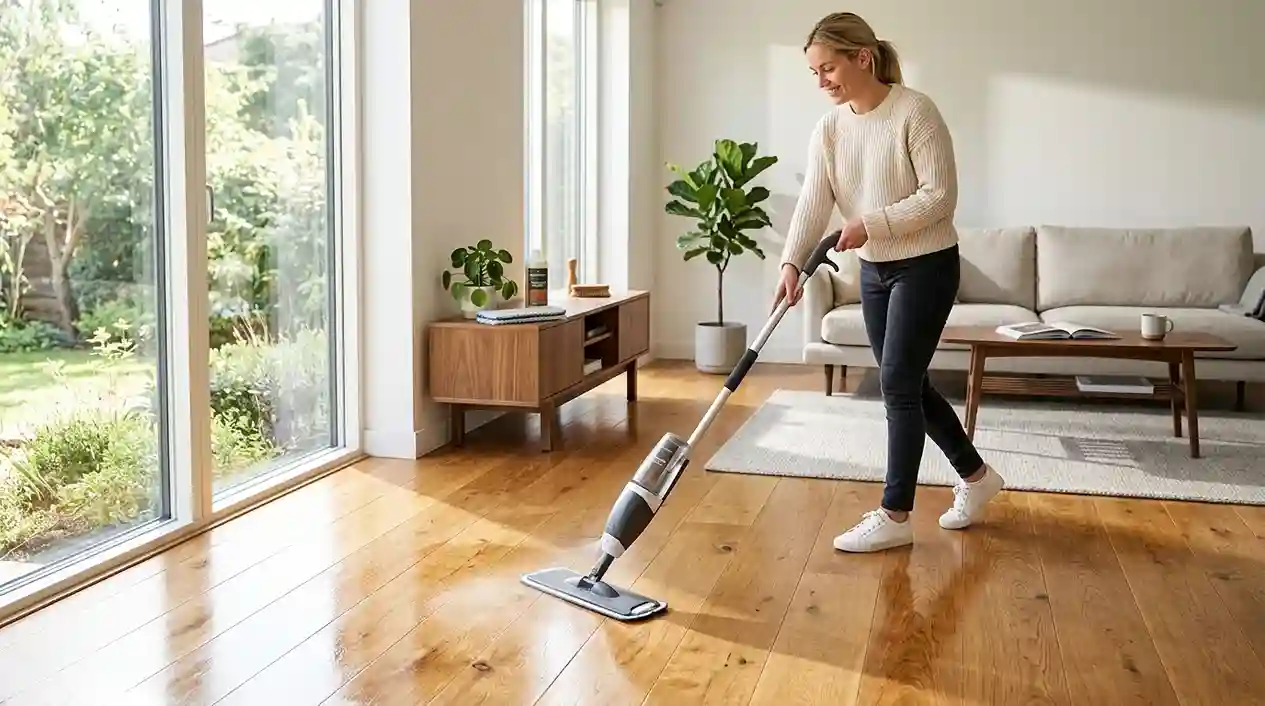
A spray mop combines a microfiber head with a built-in sprayer. It lets you control how much cleaning solution you use, preventing over-wetting. Most spray mops are light, easy to maneuver, and work well for daily cleaning. They’re a top choice for busy households.

Credit: www.goodhousekeeping.com
Key Features To Look For In A Hardwood Floor Mop
Choosing the best mop is not just about the type. The features matter too. Here are the top things to consider:
- Soft Mop Head: Microfiber is best. Avoid abrasive materials.
- Minimal Water Use: A mop that lets you control moisture is safer.
- Washable Pads: Reusable pads save money and reduce waste.
- Lightweight Design: Heavy mops can be hard to maneuver and may cause fatigue.
- Easy Maneuverability: Look for swivel heads that reach under furniture and tight spaces.
- Chemical Compatibility: Some pads work only with certain cleaners. Choose a mop that allows gentle, hardwood-safe solutions.
Many beginners miss the importance of washable pads. Disposable pads cost more over time and can leave lint. Also, a mop with a swivel head saves time and prevents missed spots, especially around chair legs and corners.
You might find this helpful: Best Mops for Hardwood Floors
Comparing Popular Mop Models For Hardwood Floors
To make things clearer, here’s a comparison of three well-known mop models:
| Model | Mop Type | Pad Material | Water Control | Price Range |
|---|---|---|---|---|
| Bona Hardwood Floor Mop | Spray | Microfiber | Spray Trigger | $30-$40 |
| O-Cedar ProMist Max | Spray | Microfiber | Spray Trigger | $25-$35 |
| Rubbermaid Reveal | Spray | Microfiber | Spray Trigger | $35-$45 |
Each of these models uses microfiber pads and a spray mechanism. They are popular for hardwood because they clean effectively without excess water. The price is moderate, and the pads are reusable. Spray mops are especially favored in homes with pets or children.
Mistakes To Avoid When Mopping Hardwood Floors
Even the best mop can be misused. Here are common errors to watch out for:
- Using too much water: This can seep between boards and cause swelling.
- Scrubbing aggressively: This can scratch the finish.
- Using harsh chemicals: Some cleaners damage the protective layer of hardwood.
- Not cleaning the mop head: Dirty pads spread grime and leave streaks.
- Forgetting to dry the floor: Always dry any wet spots after mopping.
A surprising mistake many homeowners make is using vinegar. While vinegar is often seen as a “natural” cleaner, it’s acidic and can dull the floor’s finish over time. Stick with cleaners labeled as hardwood-safe.
Real-world Tips For Cleaning Hardwood Floors
After years of cleaning hardwood, some practical tips stand out:
- Always sweep or vacuum before mopping. Dust and grit can scratch the surface.
- Mop in the direction of the wood grain for a streak-free finish.
- Use only a damp—not wet—mop. If the floor feels wet after mopping, you’ve used too much moisture.
- For tough spots like sticky spills, use a slightly damp microfiber cloth and a bit of hardwood-safe cleaner.
- Clean high-traffic areas more often, but don’t over-clean. Weekly mopping is enough for most homes.
A non-obvious insight: humidity matters. If your home is very dry, wood can shrink. If it’s humid, wood can swell. Avoid soaking the mop in any season to keep boards stable.
:max_bytes(150000):strip_icc()/spr-best-mop-type-april-24-primary-ebrockob-001-26c04507ab9e4c4ea0255f5134488f74.jpeg)
Credit: www.thespruce.com
How Often Should You Mop Hardwood Floors?
Frequency depends on your lifestyle. For most households:
- Weekly: Light mopping is enough to keep floors clean and fresh.
- Daily: For homes with pets, kids, or lots of traffic, use a dry microfiber mop to catch dust.
- Monthly: Deep clean with a damp mop and a hardwood-safe solution.
Avoid over-mopping, which can wear down the finish. Spot-clean spills quickly to prevent stains and water damage.
What’s The Best Mop For Hardwood Floors?
After comparing all options, the microfiber spray mop stands out as the best overall. It combines gentle cleaning with moisture control and convenience. Spray mops like Bona, O-Cedar, and Rubbermaid Reveal are designed for hardwood. They protect the finish, reduce water risk, and make daily cleaning easy.
If you prefer something simpler, a dry microfiber mop is excellent for dusting and light cleaning. For sticky spills, use a slightly damp microfiber pad.
Extra Considerations: Pets, Kids, And Allergies
If you have pets or children, your floor faces more messes. Microfiber mops grab pet hair and crumbs without scratching. Spray mops let you target sticky spots without soaking the floor. For allergy sufferers, microfiber traps pollen and dust better than cotton or string mops.
Some mops include pads with antibacterial properties, helpful if you’re concerned about germs. Always check the pad material and cleaner compatibility.
Environmental Impact And Cost
Microfiber mops are reusable, reducing waste. Over a year, a household using disposable pads can spend over $100 more than those with washable microfiber pads. If you’re eco-conscious, choose a mop with reusable heads and avoid harsh chemicals.
According to Consumer Reports, microfiber lasts up to 500 washes. This makes it both cost-effective and sustainable.
Frequently Asked Questions
What Mop Should I Avoid On Hardwood Floors?
You should avoid steam mops and traditional string mops. Steam mops can cause water damage, and string mops often leave too much water, risking board warping.
How Much Water Is Safe To Use On Hardwood?
Only use a damp mop, not a wet one. The pad should be moist but not dripping. Excess water is the main cause of hardwood damage during cleaning.
Can I Use Vinegar To Clean Hardwood Floors?
No. While vinegar is popular, it’s acidic and can dull the finish. Use cleaners labeled as hardwood-safe instead.
Should I Mop Or Sweep First?
Always sweep or vacuum first. This removes dirt and grit, which can scratch the floor during mopping.
How Often Should I Change Or Wash The Mop Pad?
Wash the microfiber pad after each use. If you mop daily, keep extra pads so you always use a clean one. Dirty pads leave streaks and spread germs.
Final Thoughts
Hardwood floors need care and the right cleaning tools. The best mop for hardwood is the microfiber spray mop, thanks to its gentle cleaning and moisture control. Avoid steam, harsh chemicals, and too much water. With the right mop, your floors will stay beautiful, safe, and last for years. Remember to sweep first, mop with care, and wash your pads regularly. Your floors are worth the effort.