Skip to content
Keeping tile floors clean and shiny is a goal for many homeowners. Yet, the variety of mops on the market can make it hard to know which type will give the best results. Tile floors, whether ceramic, porcelain, or natural stone, need special care.
They can handle moisture but often have textured surfaces or grout lines that trap dirt. Using the right mop not only keeps tiles looking beautiful but also extends their life. If you’re wondering what type of mop is best for tile floors, this guide will walk you through the choices, explain what really matters, and help you avoid common mistakes.
Why The Right Mop Matters For Tile Floors
Choosing the wrong mop for tile floors can lead to more work, streaky results, or even damage. Some mops push dirt around instead of lifting it. Others leave too much water behind, which can cause grout to weaken over time.
The right mop makes cleaning faster, easier, and more effective. It also helps keep grout lines cleaner, which is a common problem area in tiled rooms.
Popular Mop Types For Tile Floors
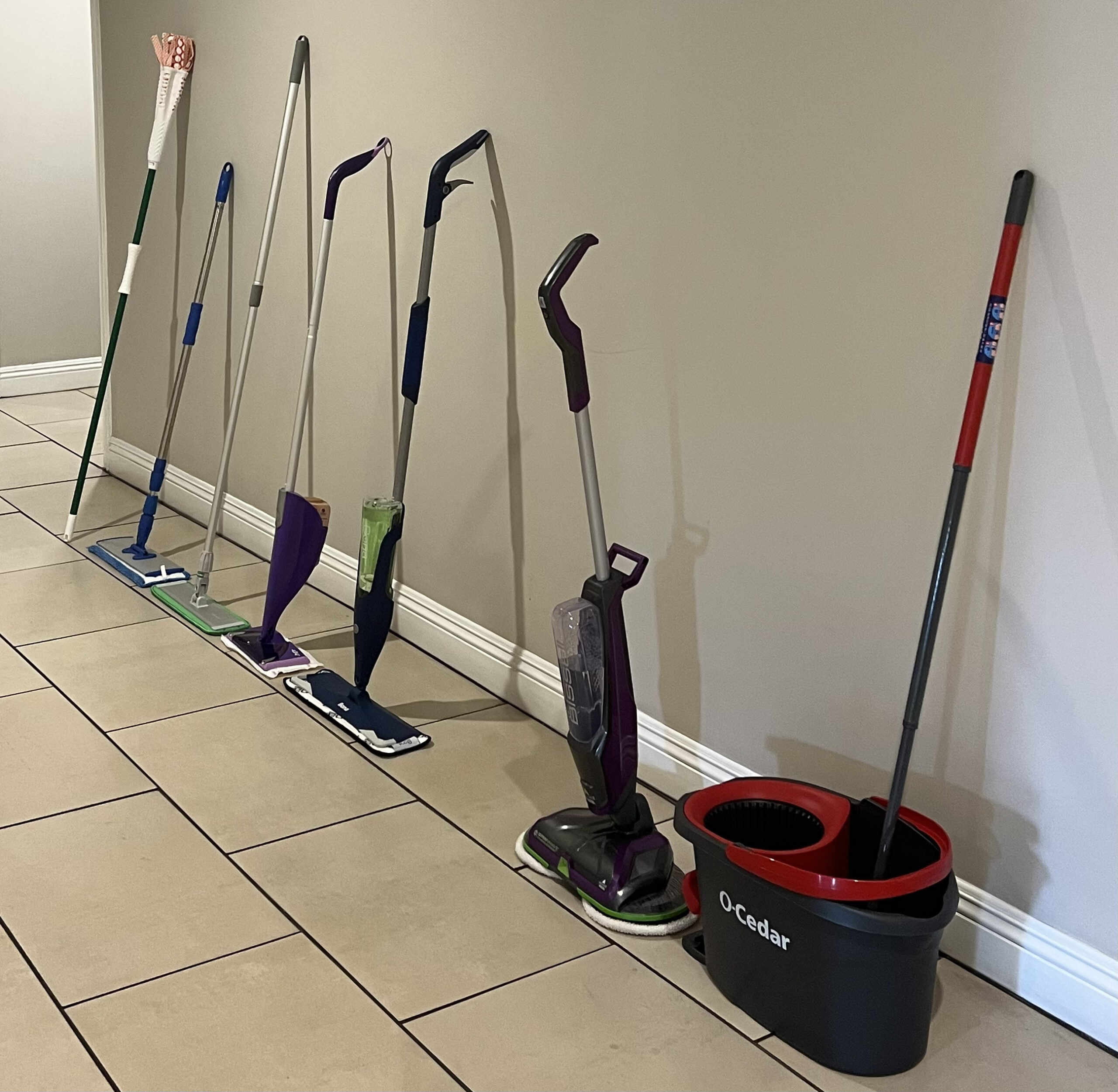
Not all mops are created equal. Each type has pros and cons, especially when it comes to cleaning tile. Here’s what you need to know about the main mop types:
1. String Mops
Traditional string mops use absorbent cotton or synthetic strands. They’re common, affordable, and can soak up a lot of water.
Pros:
- Good at cleaning large spills
- Inexpensive and easy to find
Cons:
- Can leave streaks on tile
- Hard to wring out completely, leaving excess water
- Strands can push dirt into grout lines
Best For: Very dirty floors or heavy spills, but not for everyday tile cleaning.
2. Sponge Mops
These mops have a flat, rectangular sponge head and often a lever to wring out water.
Pros:
- Easy to wring, so less water left behind
- Sponge can reach into some grout lines
Cons:
- Sponges can wear out quickly
- Can push dirty water into grout if not rinsed often
Best For: Quick clean-ups on smooth tile; less effective on textured or deep grout.
3. Flat Mops
Flat mops use a rectangular pad, often made of microfiber. Pads can be reused and washed.
Pros:
- Even coverage and easy to maneuver
- Microfiber picks up dirt instead of pushing it
- Less water used, so floors dry faster
Cons:
- Pads need frequent washing
- Not as effective for heavy messes
Best For: Regular cleaning of both smooth and textured tile. Most popular choice for tile floors.
4. Spray Mops
Spray mops are a type of flat mop with a built-in spray mechanism. They allow you to control how much cleaning solution is applied.
Pros:
- Easy to use, minimal setup
- Saves time; great for spot cleaning
Cons:
- Small water tank means more refills for large rooms
- Some models may have weak sprayers
Best For: Quick, everyday cleaning of tile in kitchens or bathrooms.
5. Steam Mops
Steam mops heat water and turn it into steam, which is then released through a mop pad.
Pros:
- Kills germs and bacteria without chemicals
- Lifts dirt from grout and textured surfaces
- Leaves little water behind
Cons:
- Not suitable for all tile types (e.g., unsealed or porous stone)
- Requires electricity
- More expensive than manual mops
Best For: Deep cleaning of sealed ceramic or porcelain tile. Not for unsealed natural stone.
6. Spin Mops
Spin mops come with a bucket that spins the mop head dry, using a foot pedal or handle.
Pros:
- Easy to control moisture level
- Good for cleaning corners and edges
Cons:
- Some models have flimsy buckets
- Can be bulky to store
Best For: Medium to heavy cleaning of all tile types, especially if you want less wringing by hand.
Comparing Mop Types: Performance On Tile Floors
To help you see the difference, here’s a comparison of the most common mop types for tile floors:
| Mop Type | Cleaning Power | Water Control | Ease of Use | Grout Cleaning |
|---|---|---|---|---|
| String Mop | Good | Poor | Fair | Poor |
| Sponge Mop | Fair | Good | Good | Fair |
| Flat Mop | Excellent | Excellent | Excellent | Good |
| Spray Mop | Good | Excellent | Excellent | Fair |
| Steam Mop | Excellent | Excellent | Good | Excellent |
| Spin Mop | Good | Good | Good | Good |
What To Consider When Choosing A Mop For Tile Floors
Picking the best mop isn’t just about the type. Here are the main factors to think about:
Tile Type
- Ceramic and Porcelain: Most mop types are safe, but textured tiles and deep grout may need a mop that scrubs well.
- Natural Stone: Only use mops and cleaners that are safe for stone. Avoid steam if tile is unsealed.
- Glazed Tiles: Easier to clean, so flat or spray mops work well.
Grout Lines
The grout between tiles collects dirt. Flat mops with textured microfiber or steam mops are better at lifting dirt from grout. If your grout is light-colored, avoid mops that push dirty water into the lines.
Room Size
- Small rooms: Spray mops or flat mops are easy to maneuver.
- Large areas: Spin mops or traditional string mops cover more ground quickly, but are heavier.
Allergies And Sensitivities
Steam mops sanitize without chemicals, good for people with allergies. Microfiber pads also trap dust and allergens.
Budget
- Low cost: String or sponge mops.
- Mid-range: Flat and spray mops.
- Higher cost: Steam mops and high-end spin mops.
Durability And Maintenance
- Check if pads or heads are machine washable.
- Look for sturdy mop handles and buckets.
- Avoid models with weak plastic parts, especially for frequent use.
Key Features To Look For
Some mop features make a big difference in results and ease of use:
- Adjustable handles for comfortable cleaning
- Swivel heads to reach under furniture
- Washable pads to save money and reduce waste
- Separate clean and dirty water compartments in buckets for string or spin mops
For spray and steam mops, check the size of the water tank and battery life (if cordless).
Mistakes To Avoid When Mopping Tile Floors
Even the best mop won’t work well if you use it incorrectly. Here are mistakes many beginners make:
- Using too much water – This can damage grout and make floors slippery. Wring out the mop well before use.
- Not rinsing the mop often – Dirty mops just spread grime around. Rinse and replace the mop pad as needed.
- Wrong cleaning solution – Some cleaners damage tile or grout. Always use a product safe for your tile type.
- Ignoring grout lines – Grout traps dirt. Use a mop that can lift dirt from grooves, or scrub grout separately.
- Letting water sit on floor – Standing water can weaken grout or seep into subfloors. Mop up excess water after cleaning.
A less obvious tip: Replace mop pads frequently. Over time, they lose their cleaning power, even if they look clean. This is especially true for microfiber and sponge heads.
Real-world Examples And Data
A 2022 survey by the American Cleaning Institute found that flat mops and spray mops are now the most popular choices for tile floors in US homes, especially for weekly cleaning routines. Many users report that microfiber pads pick up 20% more dust and debris compared to cotton string mops. Steam mops, while more expensive, are chosen by those who want chemical-free sanitizing, especially in homes with kids or pets.
One important insight: many people overlook the importance of cleaning grout. In one study, tile floors mopped with flat microfiber mops and a mild cleaning solution had 30% cleaner grout lines after a month than those cleaned with string mops.
Side-by-side: Flat Mop Vs. Steam Mop
For those stuck between a flat mop and a steam mop, here’s a closer look:
| Feature | Flat Mop | Steam Mop |
|---|---|---|
| Price Range | $10–$40 | $50–$150 |
| Cleaning Solution Needed? | Yes (optional) | No (uses water) |
| Time to Use | Quick | Needs warm-up |
| Suitable for All Tile? | Yes | No (avoid unsealed stone) |
| Sanitizing Power | Low | High |
Credit: www.bobvila.com
Expert Tips For Better Tile Floor Cleaning
- Vacuum or sweep first. Mopping without removing grit can scratch tile and make cleaning harder.
- Change mop water regularly. Dirty water leads to streaks and dull floors.
- Use warm, not hot, water unless you’re using a steam mop.
- Don’t over-soak the floor. Too much water damages grout and takes longer to dry.
- Spot clean stains before mopping the whole floor, especially in kitchens.
- For textured or anti-slip tiles, use a mop with a scrubbing strip or a steam mop for best results.
Many people don’t realize that using too much cleaning solution can leave a sticky residue that attracts more dirt. Less is often more with tile floors.
When To Replace Your Mop
Even the best mop wears out over time. Here’s how to know when it’s time for a new one:
- Microfiber pads feel rough or don’t pick up dust
- Sponge heads start to crumble or smell, even after washing
- String mop heads look frayed or stained
- Steam mop pads lose their grip or become discolored
A good rule: Replace mop heads or pads every 3–6 months if you clean regularly.
Credit: www.businessinsider.com
Summary: The Best Mop For Tile Floors
For most homes, the flat microfiber mop is the best all-around choice for tile floors. It’s gentle on tiles, effective on grout, and easy to use. If you want deeper cleaning and sanitizing, and your tile is sealed, a steam mop is a great upgrade. Spray mops are perfect for quick, small jobs, while spin mops work well for those who want less manual wringing. Avoid string mops for everyday use—they can leave streaks and push dirt into grout.
Remember, the best mop is the one that fits your tile type, lifestyle, and cleaning habits. Use proper technique, clean your mop often, and don’t forget about grout lines. For more on tile care and mop selection, see this Good Housekeeping guide.
Frequently Asked Questions
What Is The Safest Mop For Natural Stone Tile?
For natural stone tile, use a flat microfiber mop with only water or a cleaner made for stone. Avoid steam mops if the stone is unsealed or porous, as steam can cause damage.
How Often Should I Mop Tile Floors?
Most tile floors should be mopped once a week in low-traffic areas and 2–3 times a week in kitchens or bathrooms. Always vacuum or sweep first to remove grit.
Can I Use A Steam Mop On All Tile Floors?
You can use a steam mop on sealed ceramic or porcelain tiles. Avoid steam on unsealed, porous, or natural stone tiles to prevent damage.
Why Does My Tile Floor Look Streaky After Mopping?
Streaks often happen when using too much cleaning solution, dirty mop pads, or not rinsing the mop often enough. Try using less cleaner, clean water, and fresh pads.
What Cleaning Solution Is Best For Tile Floors?
A mild, pH-neutral cleaner is best for most tile floors. Avoid harsh chemicals, bleach, or vinegar on natural stone, as they can cause etching or dullness. Always check the manufacturer’s advice for your tile type.
Choosing the best mop for tile floors can make cleaning easier, faster, and more effective. Pay attention to your tile type, use the right technique, and invest in a quality mop for the best results. Your tile floors will thank you with lasting shine and cleanliness.
:max_bytes(150000):strip_icc()/Moplineup-bdeae02680014a02852c34461a774b5d.jpg)
Credit: www.seriouseats.com