Skip to content
What’s The Difference Between Air Purifier And Humidifier
Many people wonder if an air purifier and a humidifier are the same thing. They both sit quietly in homes, often looking similar. But their roles are very different. If you want cleaner air, better breathing, or help with dry skin, understanding these devices is important. This article breaks down their differences, explains how each works, and helps you decide which is right for your needs. You’ll also see real-life examples, practical tips, and data to make your choice easier.
Air Purifier Vs Humidifier: The Core Differences
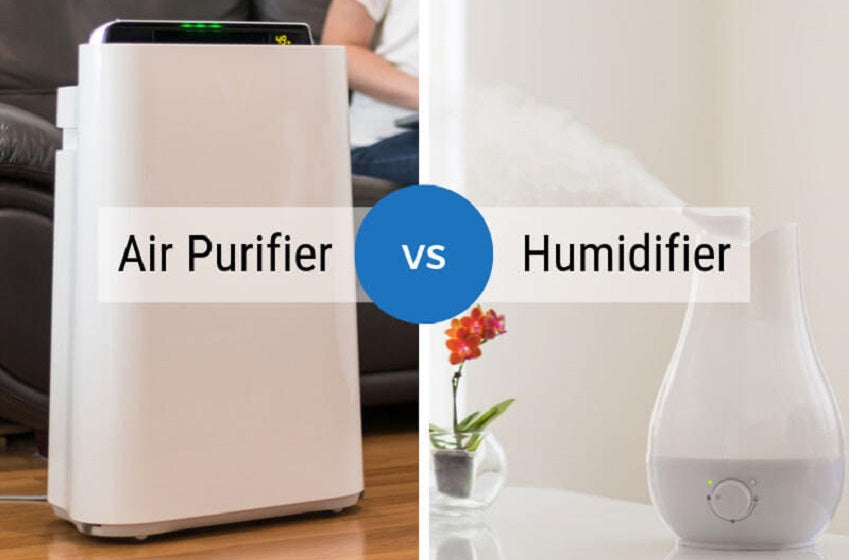
Air purifiers and humidifiers serve unique purposes. An air purifier removes unwanted particles from the air. A humidifier adds moisture to the air. Knowing this distinction is the first step in making a smart buying decision.
What Does An Air Purifier Do?
Air purifiers are designed to clean the air in your room. They use filters—often HEPA filters—to capture dust, pollen, pet dander, smoke, and even bacteria. Some air purifiers also have activated carbon filters to remove odors and chemicals.
- Main goal: Remove contaminants from air
- Common uses: Allergies, asthma, smoke removal, cleaner breathing
What Does A Humidifier Do?
Humidifiers increase the moisture level in indoor air. They release water vapor or mist. This helps reduce dryness, which can cause irritated skin, sore throat, and dry eyes.
- Main goal: Add moisture to air
- Common uses: Dry skin, sinus issues, cough relief, protecting furniture
Key Differences At A Glance
Here’s a quick comparison for clarity:
| Feature | Air Purifier | Humidifier |
|---|---|---|
| Main Function | Removes air pollutants | Adds moisture to air |
| Health Benefits | Improves breathing, allergy relief | Relieves dryness, soothes throat |
| Target Problems | Dust, pollen, smoke, bacteria | Dry skin, dry eyes, static electricity |
| Operation | Uses filters, fans | Uses water tank, mist |
How Each Device Works
Understanding the mechanics behind these devices can help you see why their effects are so different.
Air Purifier Mechanism
Air purifiers draw air into the device, pass it through filters, and push clean air back out. The most effective models use HEPA filters, which trap particles as small as 0.3 microns. Many also have carbon filters for odors.
- HEPA filter efficiency: Can remove up to 99.97% of airborne particles
- UV-C light: Some purifiers use UV light to kill germs
Humidifier Mechanism
Humidifiers start with a water tank. They turn water into mist using one of several methods:
- Ultrasonic humidifiers: Use vibrations to create fine mist
- Evaporative humidifiers: Use a wick and fan to evaporate water
- Steam humidifiers: Boil water to release steam
- Mist output: Measured in gallons per day or milliliters per hour
| Type | How It Works | Common Use |
|---|---|---|
| Ultrasonic | High-frequency vibrations | Quiet operation, bedrooms |
| Evaporative | Fan blows over wick filter | Whole-house, larger rooms |
| Steam | Heats water to steam | Quick relief, tough dryness |
Credit: airdogusa.com
Who Needs An Air Purifier?
Air purifiers are best for people who want cleaner air. If you or your family has allergies, asthma, or you live in a city with pollution, an air purifier can make a big difference.
Benefits For Allergy Sufferers
- Reduces pollen, dust mites, and pet dander
- Helps with asthma and breathing problems
- Removes smoke and chemical fumes
Non-obvious insight: Air purifiers can help reduce the spread of airborne viruses in closed spaces. But only certain models with HEPA and UV features are effective.
Real-life Example
A family living next to a busy road noticed their child’s allergy symptoms reduced after installing a HEPA air purifier. They also saw less dust settling on surfaces.
Who Needs A Humidifier?
Humidifiers are ideal if you have dry indoor air—common in winter or in air-conditioned rooms. They help people with dry skin, sinus congestion, or frequent sore throats.
Benefits For Dry Environments
- Eases skin irritation and cracked lips
- Reduces static electricity
- Protects wood furniture and musical instruments
Non-obvious insight: Proper humidity can help prevent nosebleeds and make sleep more comfortable, especially for children.
Real-life Example
Someone in Colorado, where winters are dry, used a humidifier and saw their eczema improve and nosebleeds decrease.

Credit: getpuroair.com
Risks And Common Mistakes
Air Purifier Risks
- Choosing the wrong filter: Not all filters remove smoke or odors.
- Not cleaning filters: Dirty filters can spread bacteria.
- Using too small a unit: Won’t clean the air effectively.
Pro tip: Always check the CADR rating (Clean Air Delivery Rate) for room size compatibility.
Humidifier Risks
- Over-humidifying: Can cause mold growth and dust mites.
- Not cleaning the tank: Leads to bacteria and white dust.
- Using tap water: Can create mineral buildup.
Pro tip: Use distilled water and clean the tank weekly to avoid problems.
| Risk | Air Purifier | Humidifier |
|---|---|---|
| Maintenance Needed | Filter replacement | Tank cleaning |
| Possible Harm | Dirty filter spreads germs | Mold growth from excess moisture |
| Common Mistake | Wrong filter for needs | Over-humidifying air |
Can You Use Both Together?
Some people ask if they should use both devices. The answer depends on your needs.
Complementary Uses
- Air purifiers clean the air. Humidifiers make it comfortable.
- Using both can help allergy sufferers in dry climates.
- Don’t place a humidifier directly beside an air purifier. Too much moisture can damage the purifier’s filter.
Expert tip: Monitor humidity levels with a hygrometer. Ideal indoor humidity is between 30–50%.
How To Choose: Air Purifier Or Humidifier?
Selecting the right device comes down to your specific needs.
When To Buy An Air Purifier
- Allergies, asthma, pets, or smokers in your home
- Urban areas with high pollution
- Want to reduce viruses or odors
When To Buy A Humidifier
- Dry skin, sore throat, sinus issues
- Dry climate or heated/air-conditioned rooms
- Want to protect wood furniture or musical instruments
Mistake to avoid: Buying a device without considering room size or output capacity. Always match the device to your space.
You might find this helpful: Best Air Purifiers for Allergies
Popular Brands And Models
Some brands are well-known for quality and reliability. Here are a few examples:
Air Purifier Brands
- Dyson: High-tech models, strong filtration
- Honeywell: Reliable, budget options
- Levoit: Quiet, compact designs
Humidifier Brands
- Vicks: Trusted for bedroom humidifiers
- Pure Enrichment: Stylish, simple operation
- Honeywell: Also makes affordable humidifiers
Tip: Read customer reviews and check warranty before buying.
Real Data: How Effective Are They?
Studies show that air purifiers with true HEPA filters can reduce airborne particles by up to 90% in 30 minutes. Humidifiers can raise room humidity from 20% to 40% in under two hours, depending on size and output.
Stat: The EPA recommends indoor humidity between 30–50% for health. Too low or too high can cause health issues.
Can A Device Do Both?
Some companies sell hybrid devices that claim to purify and humidify air. These often do both jobs, but not as well as separate units. For best results, use dedicated devices.
EPA Indoor Air Quality has more on this topic.

Credit: airpurifiers.sg
Frequently Asked Questions
What’s The Main Difference Between An Air Purifier And Humidifier?
An air purifier removes dust, pollen, and other particles from the air. A humidifier adds moisture. Purifiers clean the air; humidifiers make it less dry.
Can I Use Both Devices In The Same Room?
Yes, you can use both if needed. Just keep them a few feet apart. Monitor humidity and air quality with a hygrometer and air quality sensor.
Will A Humidifier Help With Allergies?
Humidifiers can ease dryness, but they don’t remove allergens. For allergies, an air purifier is more effective.
Is It Safe To Leave An Air Purifier Or Humidifier On All Night?
Generally yes, if you follow the manufacturer’s instructions. Clean them regularly and don’t over-humidify. Check filters and water tanks weekly.
How Often Should I Clean Or Replace Parts?
Clean humidifier tanks every week. Replace air purifier filters every 3–6 months, depending on usage and manufacturer guidelines.
Final Thoughts
Air purifiers and humidifiers do very different jobs. The air purifier is your best friend for clean, allergen-free air. The humidifier is perfect for fighting dryness and helping your skin and throat feel comfortable. Knowing their differences means you can pick what’s best for your health and home. Avoid common mistakes by matching the device to your needs, cleaning it regularly, and monitoring your indoor air. With the right choice, you’ll breathe easier and feel better every day.