Skip to content
Breathing clean air is important for health and comfort, especially at home or in the office. Many people buy air purifiers, hoping they will remove dust, pollen, smoke, and other pollutants. But one question often comes up: Where is the best place to put an air purifier? The answer is not as simple as “anywhere you like.” The location you choose can make a big difference in how well your air purifier works.
Let’s explore the science and practical tips behind air purifier placement to help you get the best results.
Why Placement Matters For Air Purifiers
Some people think air purifiers clean the whole house no matter where you put them. This is a common mistake. In reality, an air purifier is most effective close to the source of pollution or where you spend the most time.
If the purifier is hidden behind furniture or blocked by walls, its ability to clean the air drops sharply.
Studies show that poor placement can reduce the effectiveness of an air purifier by up to 50%. For example, if you put your device in a corner or behind a curtain, it may not “pull in” dirty air efficiently. Air purifiers need space around them to move air properly.
Think of them as “air movers”—they need room to breathe.
Best Rooms For An Air Purifier
Not every room needs an air purifier. Focus on the areas where clean air is most critical.
1. Bedroom
Most people spend 6–8 hours sleeping each night. Clean air in the bedroom can improve sleep and reduce allergy symptoms. Placing an air purifier here is often the top priority.
2. Living Room
The living room is usually the largest space and where families gather. If you have pets or cook often, this room may collect a lot of dust, pet dander, or cooking odors.
3. Home Office
If you work from home, you may spend many hours in a small room. Poor air quality can reduce focus and trigger allergies.
4. Nursery Or Kids’ Room
Babies and children are more sensitive to air pollution. An air purifier can help protect their developing lungs.
5. Kitchen
If you cook with oil, fry foods, or use gas stoves, the kitchen can have high levels of smoke and particles. A purifier helps, but be sure it is rated for kitchen use.
Tip: Start with the room where you spend the most time, or where you notice the worst air quality.
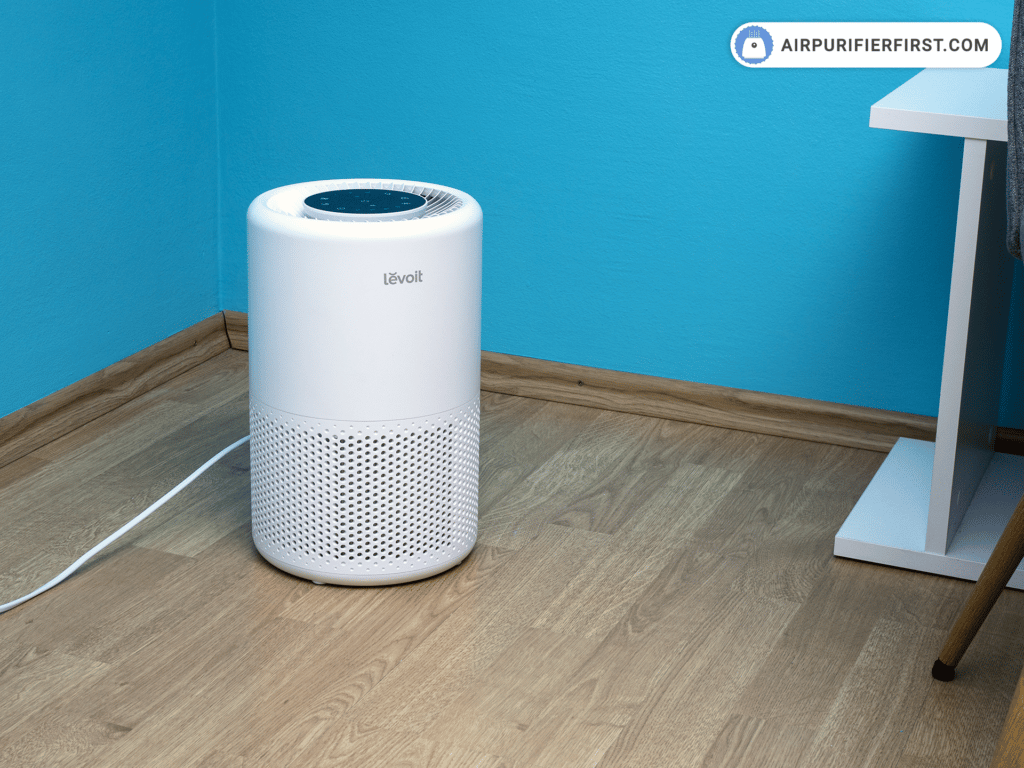
Credit: www.airpurifierfirst.com
Key Factors When Choosing A Location
Finding the best spot for your air purifier is not just about picking a room. The exact location inside the room also matters. Here are the main factors to consider.
Size Of The Room
Air purifiers have a Clean Air Delivery Rate (CADR), which tells you how much air they can filter. If you put a small purifier in a large room, it may not clean the air fast enough. Measure your room and check the device’s rating.
Distance From Walls And Obstacles
Place the purifier at least 6–12 inches away from walls and furniture. If air cannot flow freely into and out of the device, it will not work well.
Proximity To Pollution Sources
Is there a smoker in the house? Do you have pets, or is there a window facing a busy street? Place the air purifier closer to the source of pollution for faster results.
Airflow Patterns
Air moves in patterns. If your room has fans, AC vents, or windows, try to understand where air flows. Placing the purifier where airflow is strongest will help it capture more particles.
Floor Vs Tabletop
Most air purifiers are designed for use on the floor. But in some cases, placing the unit on a table or shelf (at least 3 feet high) can help, especially if you want to target airborne particles like pollen.
Best Practices For Air Purifier Placement
Let’s look at some practical tips for different situations. These are based on real-world experience, not just theory.
In The Bedroom
- Place the air purifier near your bed but not blowing directly at your face.
- Avoid corners or placing the device under the bed.
- Keep it at least 3 feet away from electronics or lamps, as they may block airflow.
- If you use a fan or AC, place the purifier where it can “catch” air movement but not get blocked.
In The Living Room
- Set the purifier in a central area if possible, away from walls and behind furniture.
- If you have pets, position the device near their favorite spot, but not so close that they can tip it over.
- Avoid putting it near windows that are often open, as outdoor wind can reduce effectiveness.
In The Kitchen
- Place the purifier on a counter or shelf, away from hot surfaces and water.
- Do not put it directly next to the stove; high heat can damage the filter.
- Make sure the filter is suitable for cooking fumes (not all are).
In The Office
- Position the device near your desk, but not under it.
- Keep it clear of paperwork, books, or cables that might block vents.

Credit: www.spinchill.com
Where Not To Place An Air Purifier
Knowing where not to put your air purifier is as important as knowing where to put it.
- Do not place behind furniture or curtains.
- Avoid tight corners—these block airflow.
- Don’t put on the floor if you have thick carpet (it can block vents).
- Keep away from electronics with strong magnets or heat.
- Don’t place directly under shelves with little space above.
These mistakes can reduce your device’s cleaning power by more than half.
How Air Circulation Affects Purifier Performance
Air circulation is the hidden factor most people overlook. If your room has poor air movement, dirty air may never reach the purifier. Using a ceiling or standing fan (set on low) can help move air toward the device.
Here’s a quick comparison of air purifier effectiveness in different circulation conditions:
| Air Circulation | Purifier Efficiency | Notes |
|---|---|---|
| Good (with fan/AC) | 85–95% | Faster whole-room cleaning |
| Poor (still air) | 50–60% | Cleaner air close to purifier only |
| Blocked (behind furniture) | Below 40% | Mostly ineffective |
Tip: If you notice some corners of your room are still dusty, try moving the purifier or adjusting the fan.

Credit: alen.com
Should You Put An Air Purifier Near A Window Or Door?
This is a common question, especially in homes with open windows or high-traffic doors. There are pros and cons to each choice.
Near A Window
- Pros: Captures outdoor pollution before it spreads indoors.
- Cons: If the window is always open, outside air may bring in more dust than the purifier can handle.
Near A Door
- Pros: Good for entryways where people bring in pollen or smoke on clothes.
- Cons: Frequent opening and closing can push dirty air past the purifier too quickly.
A good rule is to place the air purifier near but not directly next to windows and doors. About 3–5 feet away is ideal.
One Purifier Or Multiple Units?
If your home is large or has multiple floors, one purifier may not be enough. Most standard devices are designed for single-room use. If you want to clean air in several rooms, consider:
- Moving the device with you (if possible)
- Buying a unit for each main room
- Choosing a model with a larger CADR for open floor plans
Here’s a comparison of coverage for different types of air purifiers:
| Purifier Type | Typical Room Size | Best Use |
|---|---|---|
| Small Tabletop | Up to 150 sq ft | Personal space, desk |
| Standard Room | 150–400 sq ft | Bedroom, office, nursery |
| Large Room | 400–700 sq ft | Living room, open areas |
| Whole House | 700+ sq ft | Central HVAC add-on |
Common Mistakes When Placing An Air Purifier
Many users do not get the benefits they expect because of simple errors. Here are mistakes to avoid:
- Placing too close to walls or furniture.
- Choosing a device too small for the room.
- Putting in a room with open windows all day.
- Not changing the filter regularly.
- Running the purifier only a few hours a day—continuous use is best for allergies.
Non-obvious tip: Check for air vents on all sides of your device. Some purifiers pull air from the back and release it from the top—blocking either side will reduce performance.
Special Placement Advice For Allergies And Asthma
If you or your family suffer from allergies or asthma, placement becomes even more important.
- Place the purifier close to the bed at night, as symptoms are often worse during sleep.
- In children’s rooms, avoid putting the device where little hands can reach.
- For pet allergies, use the purifier near where your pet spends the most time, and vacuum often to reduce hair and dander.
Hidden insight: If you have forced-air heating or cooling, check if your system already has a HEPA filter. In that case, a portable purifier can target problem spots, but you may not need one in every room.
How To Test If Your Air Purifier Is Working Well
After placing your air purifier, you may want to check if it’s doing its job. Here’s how:
- Use an air quality monitor (some cost less than $50) to check PM2.5 or VOC levels before and after running the purifier.
- Look for less dust on surfaces after a week.
- Notice if allergy or asthma symptoms improve.
- Some advanced purifiers have built-in sensors and display air quality data.
If you do not see improvement, try moving the device or checking the filter.
A Quick Placement Checklist
Before you settle on a spot, ask yourself:
- Is the purifier at least 6–12 inches from walls or furniture?
- Is it in the room where I spend the most time?
- Is it near the source of pollution?
- Is the air moving well in the room?
- Is the filter clean and working?
If you answer “yes” to most, you’re on the right track.
For extra details on air purifier science, you can check resources like the EPA’s Air Cleaners Guide.
Frequently Asked Questions
Where Should I Put An Air Purifier In A Bedroom?
Place the air purifier near your bed (within 6–10 feet), but not directly blowing air on your face. Keep it away from walls and make sure nothing blocks the air intake or output.
Can I Put An Air Purifier In A Corner?
It’s better to avoid corners. Placing the purifier in a corner can block airflow and reduce its ability to clean the air. For best results, choose a more open spot.
Should I Keep My Air Purifier On All The Time?
Yes, it’s usually best to run your air purifier 24/7, especially if you have allergies or live in a city with pollution. Many devices use little power and are made for continuous use.
Is It Okay To Use An Air Purifier With Windows Open?
Air purifiers work best with windows closed. Open windows can let in more dust and pollen, making the purifier work harder. If you need fresh air, try to keep windows open for short periods only.
How Often Should I Move My Air Purifier?
You don’t need to move it often if it’s in the right spot. If you spend time in different rooms during the day, consider moving it with you or getting extra units for main rooms.
Placing your air purifier in the right spot is key to enjoying cleaner air and better health. With these tips, you can avoid common mistakes and make the most of your investment. Clean air is not just about the device you buy—it’s also about where and how you use it.