Skip to content
Why Are Coffee Grinders So Expensive
If you’ve ever searched for a coffee grinder, you’ve probably noticed something strange: even basic models can cost over $100, while high-end machines reach $500 or more. This price difference surprises many coffee lovers, especially beginners. You might wonder, “Isn’t a grinder just a spinning blade or burr?” Actually, there’s much more behind the price. Understanding why coffee grinders are expensive helps you make better buying decisions, and it shows what goes into making your morning cup truly special.
The Role Of Coffee Grinders In Brewing
A coffee grinder is not just a kitchen gadget. It plays a critical part in brewing quality coffee. The grinder breaks coffee beans into small, even pieces, which lets water extract flavor efficiently. If the grind is too uneven, your coffee tastes bitter or weak. This is why grind consistency is so important, and why expensive grinders focus so much on it.
Cheap grinders often use blades, which chop beans unevenly. Premium grinders use burrs—flat or conical metal pieces that crush beans into uniform sizes. This process is more complex and costly, but it produces much better results.
Key Factors That Increase Coffee Grinder Costs
1. Burr Quality And Material
The most important part of a grinder is the burr. High-end grinders use burrs made from hardened steel or ceramic. These materials last longer and maintain sharpness. Manufacturing burrs requires careful engineering and precise tools.
- Steel burrs: Durable, expensive to produce, often found in commercial models.
- Ceramic burrs: Stay sharp longer, resist heat, but can break if dropped.
Cheap grinders use soft metal or plastic burrs, which wear out quickly and produce uneven grinds.
| Burr Material | Durability | Typical Price Range |
|---|---|---|
| Steel | Very High | $150-$600 |
| Ceramic | High | $100-$400 |
| Plastic | Low | $20-$80 |
2. Motor And Power
Electric grinders rely on strong motors to spin burrs with steady speed and torque. A weak motor struggles to grind beans evenly, overheats, and breaks down faster.
- Quality motors cost more.
- Noise reduction and cooling features add extra expense.
- Commercial-grade motors are built for heavy use, further raising price.
3. Precision Engineering
Expensive grinders require tight tolerances—tiny gaps between moving parts. Precision engineering ensures burrs stay perfectly aligned, producing consistent grinds. This level of accuracy involves advanced machinery and skilled labor.
4. Adjustable Settings
Better grinders offer more control over grind size. They let you choose settings from fine (for espresso) to coarse (for French press). Each setting must be accurate and reliable, which means more complex design and higher production costs.
5. Build Quality And Materials
High-end grinders use strong metals, thick plastics, and sturdy construction. This means:
- Longer lifespan
- Less vibration and noise
- Better resistance to heat and wear
Cheaper grinders often use thin, fragile materials that break easily.
6. Research And Development
Brands spend years testing burr designs, motor speeds, and grind settings. This R&D is expensive, but it results in grinders that make better coffee and last longer. Patents and innovation add to the price.
7. Brand Reputation
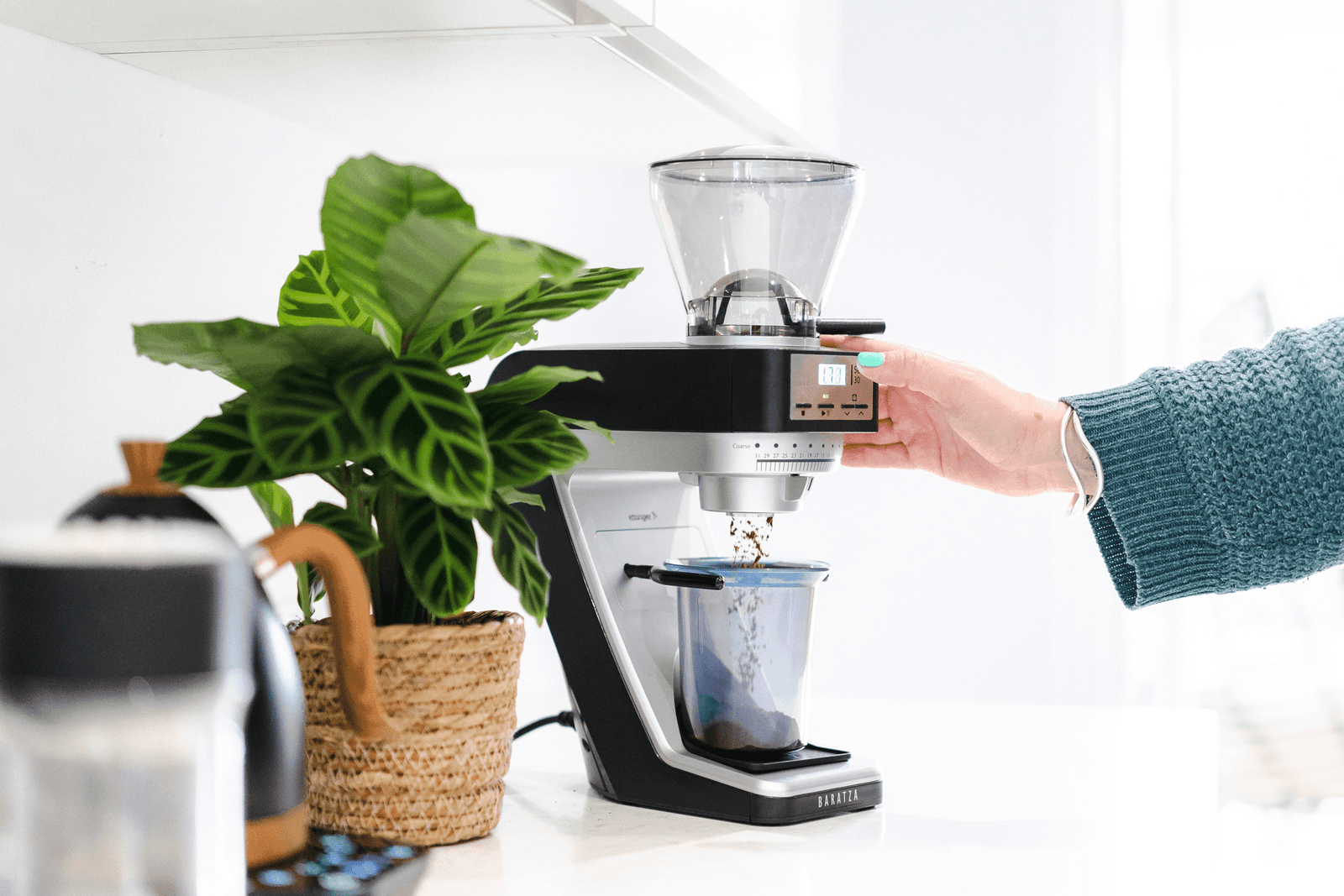
Some companies, like Baratza or Mazzer, are known for quality. Their grinders cost more because buyers trust their products. This is not just marketing; they invest in design, support, and warranties.
Credit: www.coffeehit.co.uk
Comparing Cheap Vs. Expensive Coffee Grinders
To really see what you get for the money, let’s compare features side-by-side.
| Feature | Cheap Grinder ($20-$80) | Expensive Grinder ($150-$600) |
|---|---|---|
| Burr Type | Plastic or basic metal | Hardened steel or ceramic |
| Motor Power | Weak, noisy | Strong, quiet |
| Grind Consistency | Uneven | Uniform |
| Adjustable Settings | Few or none | Many, precise |
| Build Quality | Light, fragile | Heavy, durable |
| Warranty | Short or none | Long, reliable |
Why Consistency Matters For Coffee
The main job of a coffee grinder is to create uniform grind particles. This consistency is key for good extraction—the process where water pulls flavor from the coffee. If some particles are large and others are small, your coffee will taste strange: bitter, sour, or weak.
Baristas and coffee shops invest in expensive grinders because:
- Uniform grinds lead to balanced flavor.
- Every cup tastes the same, every time.
- Customers notice quality and return.
For home users, spending more on a grinder brings a noticeable improvement—even with cheap beans.
The Importance Of Burr Design
Different burr shapes affect grind quality. There are two main types:
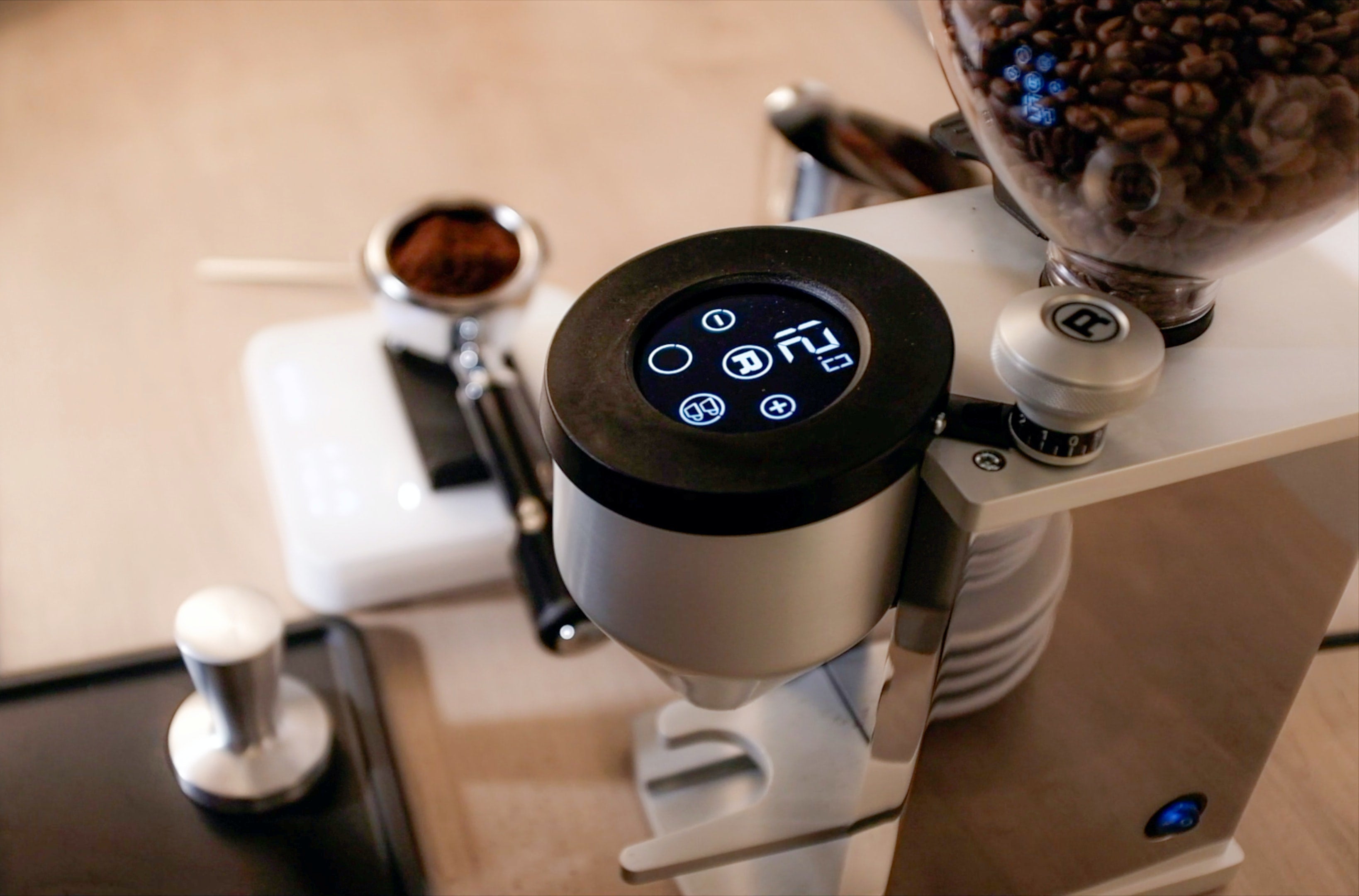
- Flat burrs: Two flat disks crush beans. They are precise and produce uniform grinds, but are expensive and harder to clean.
- Conical burrs: One cone-shaped burr fits inside another. They are quieter, easier to maintain, and cheaper to make.
Most high-end grinders use flat burrs or large conical burrs. Cheap grinders use small, low-quality burrs.
| Burr Type | Advantages | Disadvantages |
|---|---|---|
| Flat Burr | Uniform grind, accurate | Expensive, complex |
| Conical Burr | Quiet, less expensive | Slightly less consistent |
| Blade | Cheap, fast | Very uneven, poor flavor |
Hidden Costs And Manufacturing Challenges
Labor And Expertise
Building a quality grinder is not simple. Skilled workers must assemble and test each unit. Some brands hand-assemble burrs or calibrate motors to guarantee performance. This human touch raises costs.
Quality Control
High-end grinders go through strict testing. Each machine is checked for:
- Burr alignment
- Motor function
- Grind consistency
Failed units are fixed or discarded, which adds to the final price.
Sourcing And Logistics
Premium grinders often use materials from multiple countries. For example:
- Burrs from Germany
- Motors from Japan
- Assembly in the USA
Shipping, customs, and taxes add hidden costs.
You might find this helpful: OXO Brew Conical Burr Coffee Grinder Review
Why Do People Still Buy Expensive Grinders?
Despite the price, expensive grinders are popular. Here’s why:
- Better flavor: Consistent grind improves taste.
- Longer lifespan: Durable machines last years.
- More control: Precise settings help with different brewing styles.
- Support and warranty: Reliable brands offer help and repairs.
For serious coffee lovers, these benefits are worth the investment.
Two Insights Most Beginners Miss
1. Grinder Quality Matters More Than Coffee Beans
Surprisingly, a good grinder improves cheap coffee more than expensive beans do. Many beginners buy pricey beans but use a poor grinder. This wastes money and produces weak coffee. Upgrading your grinder is often the smartest first step.
2. Maintenance Costs Add Up
High-end grinders require regular cleaning and occasional part replacement. While they last longer, maintenance can cost $20-$50 per year. Beginners often ignore this, but keeping burrs sharp and motors clean is essential for performance.
Credit: beanburds.com
Are There Affordable Alternatives?
Manual grinders use hand power instead of motors. They are cheaper, often under $100, and can produce good results. However:
- Manual grinding takes time and effort.
- Most are best for single cups, not large batches.
- Quality still varies—some manual grinders use high-grade burrs, others don’t.
For beginners, a well-made manual grinder is a smart entry point.
How To Choose The Right Coffee Grinder
When shopping for a coffee grinder, focus on these features:
- Burr quality: Look for steel or ceramic.
- Grind settings: More options mean more flexibility.
- Build strength: Metal housing lasts longer.
- Motor power: For electric models, higher wattage is better.
- Brand reputation: Trusted brands offer support and parts.
Avoid buying just by price or looks. Read reviews and check warranty details.
If you want more technical details, you can find useful information at Wikipedia.
Frequently Asked Questions
Why Are Burr Grinders More Expensive Than Blade Grinders?
Burr grinders use precise metal or ceramic burrs to crush beans evenly. This process is more complex and costly than blade grinders, which simply chop beans with spinning blades. Burr grinders produce better flavor, which makes them worth the higher price.
Can I Get Good Coffee With A Cheap Grinder?
It’s possible, but not easy. Cheap grinders create uneven grinds, which means water extracts flavor poorly. You may get bitter or weak coffee. Using a manual burr grinder or spending a bit more improves results a lot.
How Long Do Expensive Coffee Grinders Last?
A high-end grinder can last 5-10 years or more with regular cleaning and maintenance. Burrs may need replacement after several years, but motors and housing are built for long-term use.
What’s The Best Grinder For Home Use?
Most coffee experts recommend a burr grinder with adjustable settings. Brands like Baratza, Breville, and Hario offer reliable models. Choose one with strong build quality and a good warranty.
Is Maintenance Difficult For Expensive Grinders?
No, but it’s important. Cleaning burrs and removing coffee dust takes 10-20 minutes each month. Some grinders have removable parts for easier maintenance. Regular care keeps flavor consistent and extends the grinder’s lifespan.
Final Thoughts
Coffee grinders are expensive because they are more than simple machines. They involve precise engineering, quality materials, strong motors, and careful design. These features deliver the consistent grind needed for great flavor, every time. For both beginners and experts, investing in a good grinder is the most effective way to improve your coffee.
Even if you start with a manual model, understanding what goes into a grinder helps you appreciate every cup—and every dollar spent.