Skip to content
Japanese knives have become famous around the world. Chefs, home cooks, and collectors all want them. But what makes these knives so special? It’s not just the sharpness or beautiful design. Japanese knives are the result of centuries-old traditions, unique steel, and careful craftsmanship.
If you are wondering why Japanese knives are so good, this article will break down the reasons, compare them to other knives, and show you what sets them apart.
The History Behind Japanese Knives
Japanese knives are not just tools—they are pieces of culture. The roots of Japanese knife-making go back to the days of samurai swords. Blacksmiths who made katana swords applied the same skills to create kitchen knives when swords became less needed.
This tradition has lasted for hundreds of years.
Many knife makers in Japan still use old methods. Cities like Sakai and Seki are famous for their knife industries. Sakai knives, for example, are often made by hand, with each blade carefully forged and sharpened. These cities have strict quality standards, ensuring every knife is made with skill and care.
Unique Steel And Materials
One of the main reasons Japanese knives are so good is the steel they use. Japanese blacksmiths often choose high-carbon steel. This steel is harder than what is used in most Western knives. Harder steel means a sharper edge, but it also needs more attention to prevent rust.
Some popular types of Japanese steel include:
- VG-10: Known for its balance of hardness and toughness.
- Blue Steel (Aogami): Very hard, holds a sharp edge for a long time.
- White Steel (Shirogami): Used for ultra-sharp edges, great for professional chefs.
Japanese knives also use beautiful materials for handles. You’ll often see handles made from magnolia wood or pakka wood, which feel comfortable and look elegant.
| Steel Type | Hardness (HRC) | Edge Retention | Rust Resistance |
|---|---|---|---|
| VG-10 | 60-61 | Good | High |
| Blue Steel | 62-64 | Excellent | Low |
| White Steel | 60-65 | Excellent | Low |
Sharpness And Precision
Japanese knives are famous for their sharpness. Many Japanese blades are sharpened to a very thin angle—often between 15 and 18 degrees. Western knives usually have a wider angle, around 20-22 degrees. The thinner angle lets Japanese knives cut food with less force, making cleaner slices.
This sharpness is not just for show. It makes cooking easier and more fun. For example, when slicing sashimi, a sharp blade ensures the fish is not crushed or torn. Vegetable cuts are smoother, keeping the texture and taste.
Japanese craftsmen often use water stones to sharpen knives. This gives the blade a fine, polished edge. Unlike Western knives, which may be sharpened with machines, Japanese knives often get attention by hand.
Specialized Knife Types
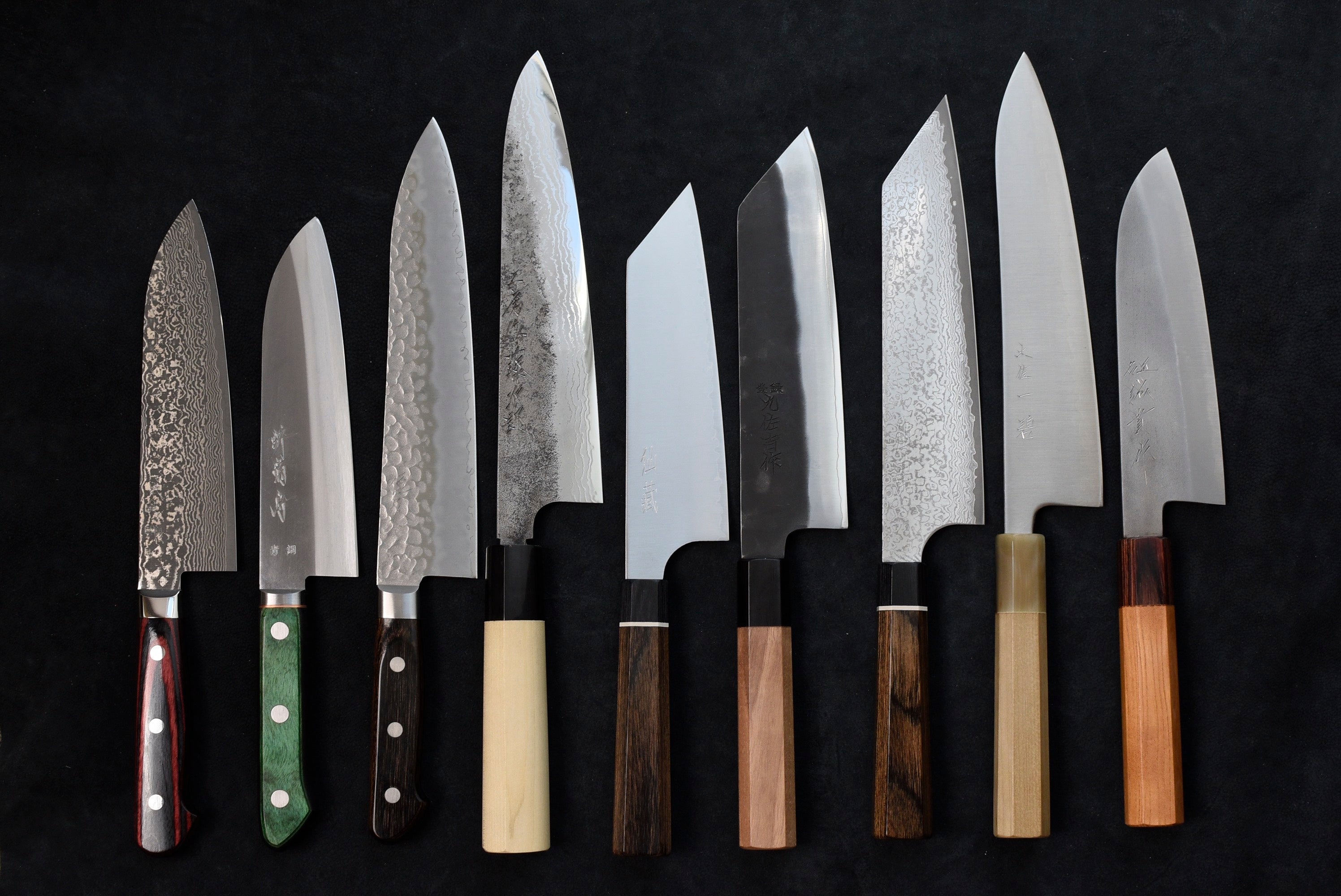
Japanese knives are not one-size-fits-all. There are many types, each made for a specific job. Here are a few examples:
- Gyuto: The Japanese version of a chef’s knife. Good for slicing, chopping, and dicing.
- Santoku: All-purpose knife. Great for vegetables, fish, and meat.
- Yanagiba: Long, thin blade. Designed for slicing raw fish for sushi and sashimi.
- Deba: Heavy knife. Used for cutting through fish bones.
- Usuba: Thin blade. Perfect for precise vegetable cuts.
| Knife Type | Blade Length (inches) | Main Use |
|---|---|---|
| Gyuto | 8-10 | General purpose |
| Santoku | 6-7 | All-purpose |
| Yanagiba | 9-12 | Slicing fish |
| Deba | 6-8 | Filleting fish |
| Usuba | 6-7 | Vegetables |
Many beginners do not realize that using the wrong knife can make cooking harder. For example, using a Yanagiba for chopping vegetables will feel awkward. Choose the right knife for the job, and you’ll get better results.
Credit: sharpedgeshop.com
Handcrafted Quality And Attention To Detail
Japanese knife makers treat each blade as a work of art. They often spend hours—even days—on one knife. Some steps are done by hand, such as forging, sharpening, and handle fitting. This careful process creates knives with excellent balance and feel.
Unlike mass-produced knives, Japanese knives often show small differences from one blade to the next. These differences are signs of real craftsmanship. Many chefs believe these hand-made touches make the knife feel more alive in their hands.
Some makers will even sign their names on the blade, showing pride in their work. This is rare in Western knife production.
Comparison: Japanese Knives Vs Western Knives
Let’s see how Japanese knives stack up against Western knives. The differences go beyond looks and sharpness.
| Feature | Japanese Knives | Western Knives |
|---|---|---|
| Steel Hardness | 60-65 HRC | 54-58 HRC |
| Edge Angle | 15-18 degrees | 20-22 degrees |
| Weight | Light | Heavy |
| Blade Design | Thin, sharp | Thicker, robust |
| Use | Precision cuts | General use, tough jobs |
Japanese knives are better for delicate tasks, like slicing fish or vegetables. Western knives are often heavier and more durable, making them good for rough jobs. Many chefs use both types, depending on what they need.
Practical Benefits For Home Cooks And Chefs
Japanese knives bring several benefits to your kitchen:
- Less effort: Their sharpness means you use less force.
- Cleaner cuts: Food keeps its shape and texture.
- Better control: The lightweight design makes it easier to handle.
- Longer-lasting edge: Hard steel holds sharpness longer, so you sharpen less often.
However, they do need care. Japanese knives can chip if used on hard bones or dropped. They also need to be cleaned and dried quickly to prevent rust.
A common mistake is using a Japanese knife for every task. Some jobs, like cutting frozen food or bones, are better with a tough Western knife. Use Japanese knives for precision tasks.
The Art Of Sharpening And Maintenance
Proper care is key to keeping Japanese knives in top shape. Sharpen them with a water stone for the best results. Avoid using electric sharpeners, which can damage the thin blade.
Here’s a simple routine for maintenance:
- Wash the knife by hand right after use.
- Dry it completely with a towel.
- Store it in a knife block or sheath to protect the edge.
- Sharpen with a water stone when the edge feels dull.
Some Japanese knives require oil on the blade to protect from rust. Pay attention to the steel type—high-carbon blades need more care than stainless.
Many beginners miss the importance of regular sharpening. A dull blade is not only less effective but can be dangerous. Sharp knives are safer because they require less force and are less likely to slip.

Credit: 5280.com
Japanese Knife Brands To Know
Several brands stand out for quality and tradition. Some famous names include:
- Shun: Known for beautiful designs and VG-10 steel.
- Masamoto: Oldest maker in Tokyo, famous for chef knives.
- Miyabi: Combines German technology with Japanese craftsmanship.
- Global: Modern designs, lightweight stainless steel.
Each brand has its own style and specialty. For example, Shun uses layered steel for a unique pattern. Masamoto knives are prized by sushi chefs.
If you want to learn more about the history and makers, check out Japanese cutlery on Wikipedia.
Non-obvious Insights: What Most Beginners Miss
- Balance matters: Japanese knives are often lighter, but the balance is carefully designed. A well-balanced knife feels easier to use and reduces fatigue.
- Single bevel vs double bevel: Many Japanese knives (like Yanagiba) have a single bevel. This means one side is flat, the other is angled. It gives more precision but needs special sharpening. Most Western knives are double bevel, which is easier for beginners.
Many buyers do not realize the importance of handle shape. Japanese handles are usually round or octagonal. This lets you grip the knife in different ways, improving control.
Another insight: Japanese knives are made for softer foods, like fish and vegetables. If you try to use them for tough tasks, you risk damaging the blade.

Credit: sharpedgeshop.com
Buying Tips And Common Mistakes
If you’re thinking about buying a Japanese knife, keep these points in mind:
- Choose the right steel: High-carbon steel is sharper but needs care. Stainless steel is easier to maintain.
- Pick the right type: Gyuto or Santoku are good for beginners.
- Try the handle: Make sure it feels comfortable in your hand.
- Avoid the cheapest options: Low-cost knives may not be made with real Japanese steel or craftsmanship.
Common mistakes:
- Using the knife for hard tasks, like cutting bones.
- Not sharpening often enough.
- Storing the knife loose in a drawer, which dulls the edge.
Frequently Asked Questions
What Makes Japanese Knives Sharper Than Western Knives?
Japanese knives use harder steel and are sharpened at a thinner angle. This lets them hold a sharper edge for longer. The careful sharpening process also helps keep the blade very fine.
Are Japanese Knives Difficult To Care For?
Some types, especially high-carbon steel knives, need more care. You must wash, dry, and sometimes oil them after use. Stainless steel Japanese knives are easier to maintain.
Can Beginners Use Japanese Knives?
Yes, but start with an all-purpose knife like a Santoku or Gyuto. Learn proper cutting and maintenance techniques to avoid damaging the blade.
What’s The Difference Between Single Bevel And Double Bevel Knives?
Single bevel knives have one flat side and one angled side. They are common in Japanese knives for precise cutting. Double bevel knives are angled on both sides, making them easier for most people to use.
Are Japanese Knives Worth The Higher Price?
Japanese knives are often more expensive, but they offer better sharpness, precision, and craftsmanship. If you cook often, they can make a big difference in your kitchen.
Japanese knives are not just tools—they are a blend of history, skill, and science. Their sharpness, precision, and beauty come from careful craftsmanship and special materials. While they need care, they reward you with better cooking and lasting quality. If you choose the right type and treat it well, a Japanese knife can be your best kitchen partner for years.