Skip to content
Why Are Trash Cans So Expensive?
Trash cans seem simple. They hold garbage and keep our homes, offices, and streets clean. Yet, when you shop for a new trash can, prices can surprise you. Many people expect to pay $10 or $20, but some trash cans cost over $100, and commercial models can be even more expensive.
Why is this? What makes a simple waste bin cost so much? This article explores the real reasons behind the high price tags, shows how features and materials affect cost, and helps you make smarter choices when buying a trash can.
The Role Of Materials In Trash Can Prices
One main reason trash cans are expensive is the material used to make them. Cheap bins are often made from thin plastic. These are light and easy to break. Expensive models use stainless steel, heavy-duty plastic, or even wood. Each material has its own cost and benefits.
| Material | Average Price Range | Durability |
|---|---|---|
| Plastic | $10–$40 | Low–Medium |
| Stainless Steel | $40–$120 | High |
| Wood | $60–$200 | Medium–High |
Stainless steel trash cans are very popular for kitchens. They resist rust, are easy to clean, and look modern. But steel is expensive to produce and shape. Even plastic trash cans can be costly if they use thick, high-quality plastic. Manufacturers must pay for raw materials, which often fluctuate in price. This affects the final cost you see in stores.
Design Features That Add Cost
Not all trash cans are the same. Some have special features that make life easier but also increase the price.
Touchless Technology
Many high-end trash cans have touchless lids. They use sensors to open automatically. This is convenient and more hygienic, but the electronics inside cost money. The sensors, batteries, and wiring must be tested for safety and durability. If the lid breaks, repairs can be costly.
Odor Control
Some bins use filters or special seals to stop bad smells. For example, charcoal filters absorb odors, but they must be replaced regularly. These features are great for kitchens and bathrooms but add to the price and maintenance costs.
Compartments For Sorting
Modern trash cans often have multiple compartments. This helps with recycling and composting. The extra space and design complexity raise the manufacturing cost. It also means more materials and more assembly.
Style And Finishes
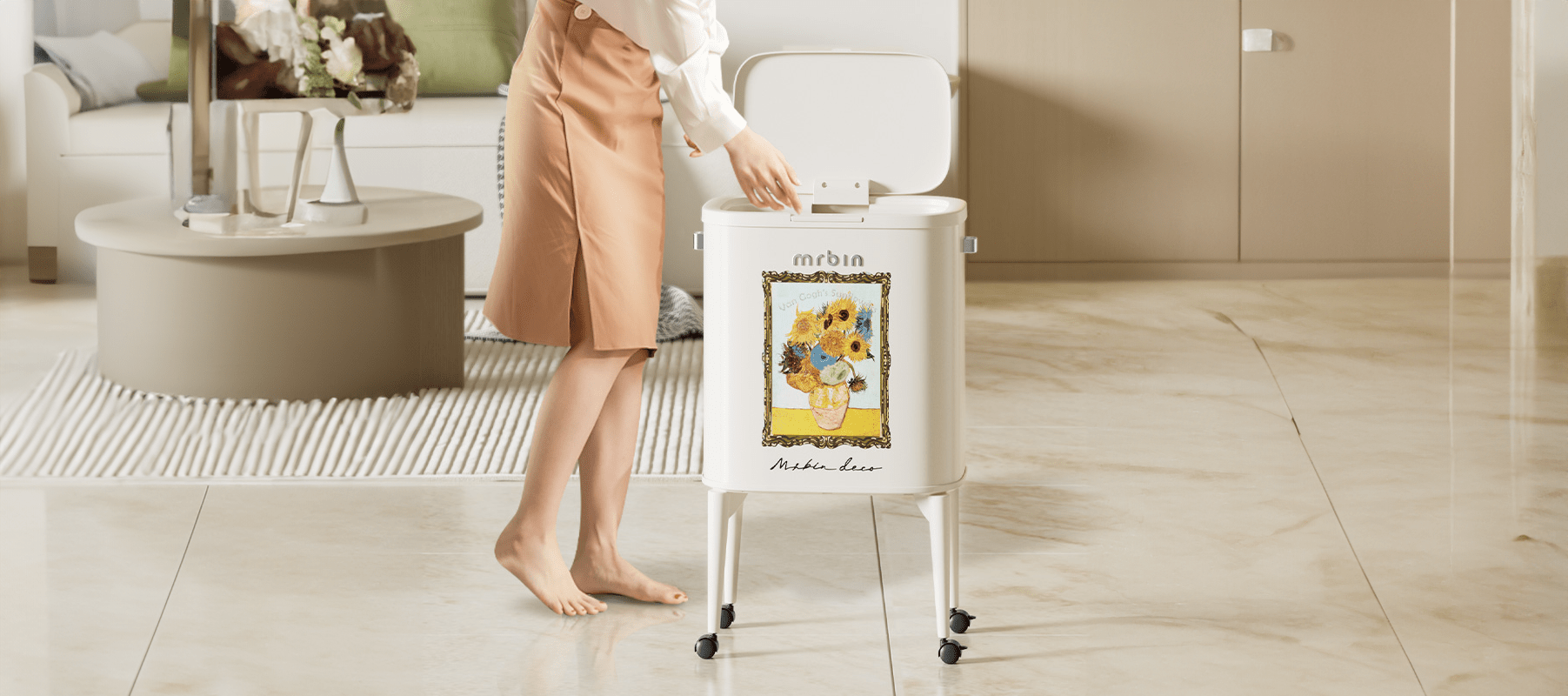
Trash cans are not just practical—they are also part of your home’s look. People want bins that match their decor. Manufacturers offer shiny finishes, colors, and modern shapes. These details require extra work and higher-quality materials, which drive up the price.
Credit: mrbinhome.com
Manufacturing And Transportation Costs
Making trash cans is more complex than it looks. The factories must use machines to shape, weld, or mold each bin. Quality control is strict, especially for bins used in hospitals or restaurants. Labor and energy costs in the factory add to the price.
Trash cans are bulky and take up space. Shipping them from the factory to stores costs money. Larger bins take more room in trucks and warehouses. The cost of fuel and storage affects the final price you pay.
Commercial Trash Cans Vs. Home Trash Cans
The price difference between commercial and home trash cans is huge. Commercial bins are built for heavy use and must meet strict standards.
| Type | Average Price | Main Features |
|---|---|---|
| Home Trash Can | $20–$120 | Lightweight, simple design |
| Commercial Trash Can | $100–$500 | Heavy-duty, fire-resistant, large size |
Commercial bins often use fire-resistant materials, special locking mechanisms, and reinforced walls. Schools, hospitals, and restaurants need bins that last for years. For outdoor bins, weather resistance is a must, which means using UV-proof plastics or powder-coated metals.
The Impact Of Branding And Marketing
Brands like Simplehuman, Rubbermaid, and Brabantia charge more for their trash cans. Why? Brand reputation matters. These companies invest in research, design, and advertising. They promise better quality and longer warranties. You pay extra for the brand name, but often get a bin that lasts longer and works better.
Marketing also affects price. Trendy bins with unique shapes or colors are promoted as “must-have” items. This increases demand and lets companies charge more.
Hidden Costs: Maintenance And Replacement
The price of a trash can does not end at checkout. Some bins need replacement filters, batteries, or liners. Touchless bins, for example, use batteries that must be changed every few months. Odor filters need replacing, and special liners often cost more than standard bags.
Cheap bins break easily. Handles snap, lids crack, and wheels fall off. Buying a low-cost bin may mean replacing it every year. A more expensive bin can last five years or longer, making it a better investment over time.
Environmental And Regulatory Factors
Trash cans must meet health and safety standards. For example, bins used in hospitals must be easy to clean and resistant to bacteria. Outdoor bins must meet environmental rules, such as using recycled materials or being recyclable themselves.
Some cities require bins with bear-proof locks or lids that prevent pests. These features are not cheap to add, but they protect public health and the environment.
Comparing Trash Can Prices By Size And Use
Size affects price more than most people realize. Small bathroom bins are cheap, but large kitchen or outdoor bins cost much more.
| Capacity | Common Use | Price Range |
|---|---|---|
| 5–10 gallons | Bathroom, bedroom | $10–$30 |
| 13–20 gallons | Kitchen, office | $30–$100 |
| 30–60 gallons | Outdoor, commercial | $80–$500 |
Larger bins need more material and must be strong enough to hold heavy loads. Outdoor bins must survive rain, sun, and snow. This requires better materials and extra features, which increase cost.
Credit: szaolq.com
Two Insights Most People Miss
- Longevity vs. upfront cost: Spending more now can save money later. Cheap bins break or smell bad after a short time. Durable bins may cost more, but they last longer and stay cleaner.
- Special bins for special needs: Trash cans are not just for garbage. Medical, industrial, and food-service bins have strict rules. If you need a bin for a special use, expect to pay more. These bins are designed for safety, hygiene, and durability.
How To Choose The Right Trash Can
Before buying, think about your needs:
- Location: Kitchen, bathroom, outdoors, office? Each place needs a different bin.
- Size: How much trash do you produce? Don’t buy a tiny bin for a busy kitchen.
- Features: Do you want touchless lids, odor control, or recycling compartments?
- Material: Stainless steel looks nice, but plastic is lighter and cheaper.
- Budget: Decide how much you want to spend. Remember, cheap bins often need replacing sooner.
Avoid common mistakes:
- Don’t buy the cheapest option for heavy use.
- Don’t ignore replacement costs (filters, batteries).
- Don’t choose style over function—some bins look great but don’t work well.
If you need more details about trash can types, visit Wikipedia.
Credit: www.thekitchn.com
Frequently Asked Questions
Why Are Stainless Steel Trash Cans So Expensive?
Stainless steel is costly to produce and shape. It resists rust, is easy to clean, and looks modern. Manufacturing and quality control add to the price. These bins usually last longer than plastic ones.
Are Touchless Trash Cans Worth The Price?
Touchless bins are more hygienic and convenient. They cost more because of sensors and batteries. If you want less contact with germs, they are a good choice. However, you must pay for battery replacements and possible repairs.
Do Cheap Trash Cans Last Long?
Cheap bins often break within a year. Handles, lids, and wheels are weak. If you use your bin heavily, invest in a durable model. It will cost more at first but save money in the long run.
What Features Should I Look For In A Kitchen Trash Can?
Look for odor control, easy-to-clean surfaces, and strong lids. Consider size and if you want compartments for recycling. Stainless steel is good for durability, while high-quality plastic is lighter and cheaper.
Why Do Commercial Trash Cans Cost So Much?
Commercial bins are built for heavy use. They use fire-resistant materials, reinforced walls, and special locks. They meet strict safety and health standards, which makes them more expensive than home bins.
Trash cans may look simple, but their price reflects much more than just a place to toss garbage. From materials and design to safety and branding, many factors drive up costs. By understanding these reasons, you can make smarter choices and find a bin that fits your budget and needs.