Why does your new coffee maker taste like plastic? You just unboxed it, set it up, and brewed that first cup, but instead of fresh coffee aroma, you are getting a chemical aftertaste. It is jarring, even a little alarming.
The truth is, this is completely normal for a brand new machine.
Manufacturer specifications confirm that new plastic components release volatile organic compounds (VOCs) during the first few heat cycles. Per FDA food contact regulations, these levels fall within safe limits. But your nose and tongue detect them easily.
Understanding the cause is the first step toward getting back to great coffee.
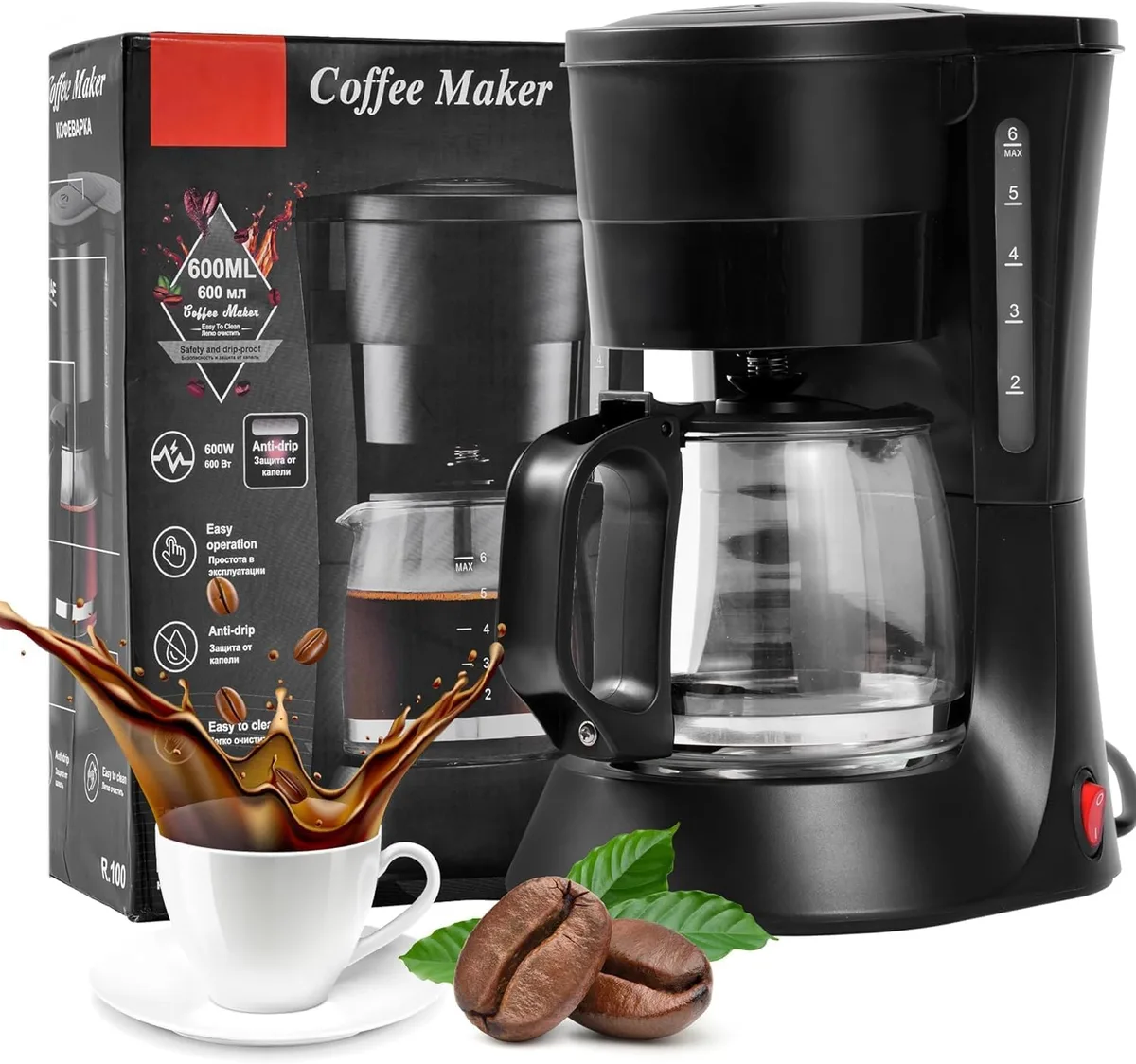
Image source: Web (Bing) / amazon.com (Web image (fair-use with source credit))
Quick Answer
Your new coffee maker tastes like plastic because factory residues remain inside the water system. The heating element also burns off protective coatings during the first few brew cycles. This taste is temporary.
A proper flush routine removes it completely in 2 to 5 cycles.
The plastic taste comes from a few different sources. Here is a quick breakdown of what you are dealing with.
| Source | Where It Comes From | How Long It Lasts |
|---|---|---|
| Manufacturing oils | Factory lubricants on tank and tubes | 2 to 3 flush cycles |
| Heating element coating | Protective layer burning off | 1 to 2 hot cycles |
| Plastic off-gassing | Virgin plastic releasing VOCs when heated | 3 to 7 days of use |
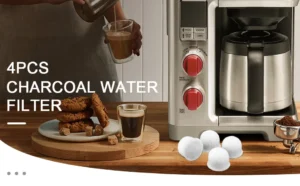
| Charcoal filter dust | New water filter residue | 1 full tank rinse |
Each source responds to a different cleaning approach. The right flush method depends on which one you are dealing with. For most new machines, running several hot water cycles is all it takes to clear out the factory residues.
If the taste lingers beyond a week, you might be dealing with a different issue.
One important note: a plastic smell that smells like burning chemicals, not just new plastic, could indicate a real electrical issue. If you see smoke or smell burning insulation, unplug the machine and contact the manufacturer immediately. That is not the same as normal off-gassing.
What Is Actually Causing That Plastic Taste?
Three main things produce that new machine taste. Understanding each one helps you choose the right fix.
Manufacturing Residues
When coffee makers come off the assembly line, they still carry traces of mold release agents and machine oils. These substances help the plastic parts pop out of their molds during production. They are not designed to stay on the finished product.
A simple hot water rinse removes most of them.
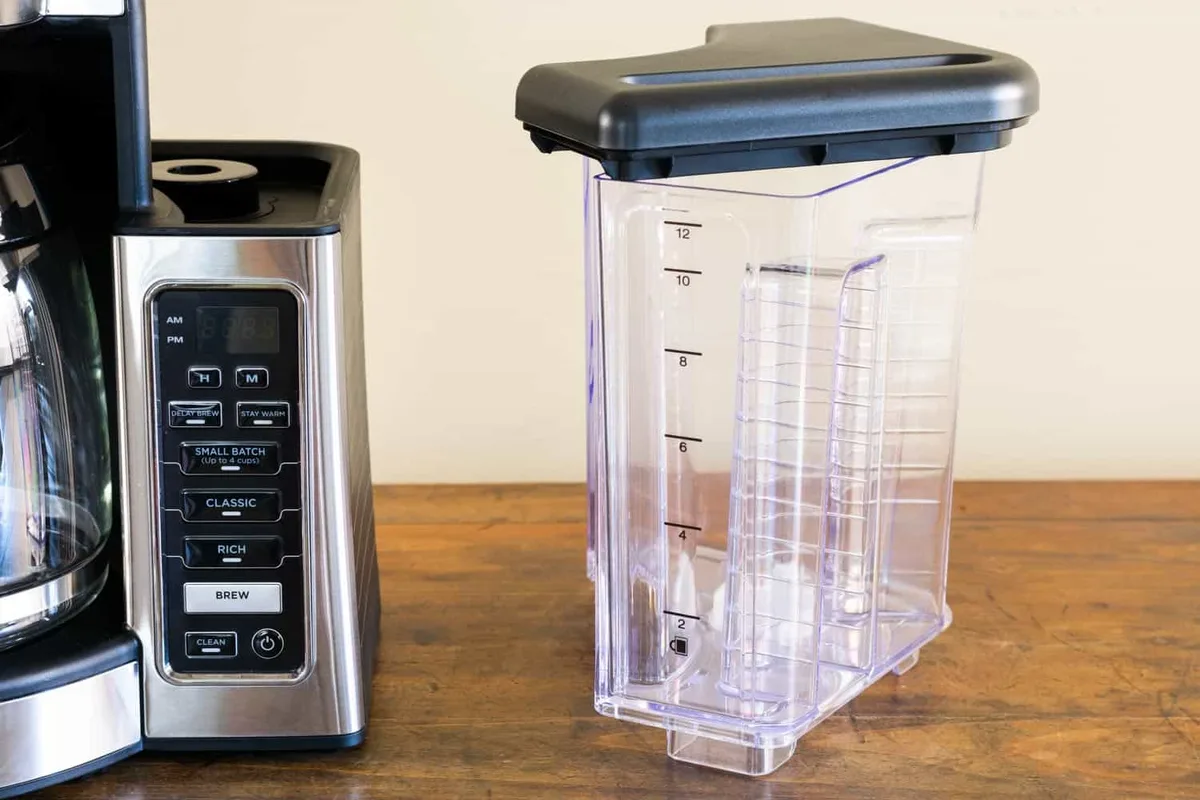
Image source: Web (Bing) / storage.googleapis.com (Web image (fair-use with source credit))
Heating Element Burn-Off
The heating element at the bottom of your coffee maker often has a thin protective coating. This coating prevents corrosion during shipping and storage. The first few times the element gets hot, that coating burns off.
You might notice a faint metallic or plastic smell during the first one or two brew cycles. This is completely normal and usually fades fast.
Plastic Off-Gassing
All new plastic releases tiny amounts of volatile organic compounds when it heats up for the first time. Think of it like the smell of a new car. Your coffee maker’s water tank, brew basket, and internal tubes are all virgin plastic surfaces.
Heat accelerates this off-gassing. After a few heating cycles, the plastic stabilizes and stops releasing those compounds. The taste goes away on its own.
The Water Factor
Your tap water chemistry plays a role too. Hard water or water with high chlorine levels can react with new plastic surfaces. This reaction creates a stronger plastic-like taste than the water alone would have.
Using filtered water during the break-in period helps reduce this effect. Some machines benefit from distilled water during the initial flushes, though you will want to switch back to regular water for daily brewing.
Diagnose the Problem in 3 Simple Checks
Before you start flushing, figure out exactly what you are dealing with. These three checks take about 5 minutes total. They save you from running unnecessary cleaning cycles.
Image source: Web (Bing) / mdpi.com (Web image (fair-use with source credit))
Check 1: The Smell Test on the Empty Tank
Open the water reservoir and smell the inside. Does it smell strongly of new plastic or chemicals? If yes, your plastic components are off-gassing.
A series of hot water flushes will clear this. If the tank smells clean, the problem is probably elsewhere.
Check 2: The First Brew Test
Run a full cycle with just water, no coffee grounds. Taste the hot water once it finishes brewing. Does it taste like plastic?
If yes, the water is picking up the taste from the internal tubing or heating element. A standard vinegar flush usually solves this. If the hot water tastes fine but your coffee tastes off, the issue might be with the filter basket or the way you set up the brew cycle itself.
Check 3: The Heating Element Test
After the hot water cycle finishes, smell the area around the warming plate. Does it smell like burning chemicals? A slight new-appliance smell is normal.
A strong acrid or burning plastic smell is not. That could mean something is melting or shorting out. Unplug the machine and contact the manufacturer if this happens.
FDA regulations require food contact plastics to pass strict migration testing, so normal off-gassing is well within safe limits.
Once you run these checks, you will know exactly which flush method to use. Most people end up in the first category. Normal off-gassing that just needs a few hot water cycles.
The Complete Flush Protocol That Actually Works
Here is the step-by-step process that removes plastic taste from a new coffee maker. Follow these steps in order. Test the taste after each flush cycle.
Stop once the plastic flavor disappears.
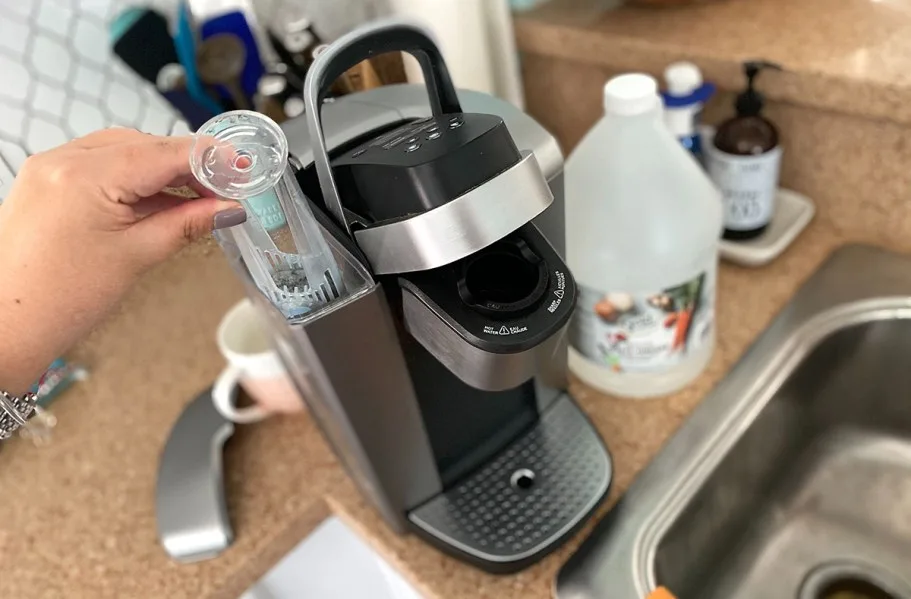
Image source: Web (Bing) / hip2save.com (Web image (fair-use with source credit))
Step 1: The Hot Water Flush (No Cleaning Agents)
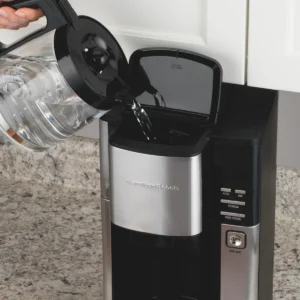
Fill the water reservoir to the max line with cold tap water. Run a full brew cycle with an empty filter basket. Let the machine cool for 10 minutes.
Pour out the hot water. Taste a small sip from the next cycle to see if improvement happened. Most machines need two to three of these simple cycles.
Step 2: The Vinegar Flush (For Stubborn Taste)
If the plastic taste lingers after three hot water flushes, switch to white vinegar. Fill the reservoir with a mixture of one part white vinegar to two parts water. Run a full brew cycle.
Let the machine sit for 30 minutes after the cycle finishes. Run two full cycles of plain water to rinse out all vinegar residue. The vinegar breaks down any remaining oils from manufacturing.
If you prefer not to use white vinegar, apple cider vinegar works too. Just be ready for a slightly sweeter smell during the flush.
Step 3: The Deep Clean (For Real Stubborn Cases)
Still tasting plastic after the vinegar flush? Remove all removable parts. That means the water reservoir, brew basket, carafe, and any silicone gaskets.
Wash each one by hand with warm soapy water. Rinse thoroughly. Reassemble and run two more full tanks of hot water through the machine.
This removes any residue trapped in nooks and crannies.
Step 4: The Patience Test
Some machines simply need time. Use the coffee maker normally for 3 to 5 days. The plastic taste often fades with each brew cycle.
If it persists beyond a week of regular use, something else might be wrong.
What NOT to Do — Common Mistakes That Make It Worse
It is easy to make things worse when you are frustrated by a plastic taste. Here are the mistakes to avoid.
Do Not Use Bleach or Harsh Cleaners
Bleach and abrasive cleaners can damage plastic surfaces. They can also leave behind chemical residues that are much worse than the original plastic taste. Stick to white vinegar, citric acid, or plain soap and water.
Do Not Skip the First Flush
Many people skip the first-time setup instructions because they just want coffee. That first flush is designed to remove factory residues. Skipping it means you brew your first cup in contaminated water.
Always run at least one hot water cycle before your first real brew.
Do Not Run the Machine Dry
Running a coffee maker with no water in the reservoir can damage the heating element. A dry heating element gets much hotter than normal. This can melt plastic components or create a real fire hazard.
Always make sure there is water in the tank before turning it on.
Do Not Assume It Is Unsafe
A plastic taste from a new machine is almost never a safety issue. As of 2026, all major coffee maker brands sold in the US comply with FDA food contact substance regulations. The taste comes from temporary residues or off-gassing.
Unless you smell actual burning or see smoke, the coffee is safe to drink.
Do Not Use the Machine Until It Smells Clean
If you can smell plastic while the machine is heating up, keep flushing until that smell goes away. Using the machine while it still off-gasses heavily just means more plastic taste in your coffee. Take the time to flush properly before brewing your first real pot.