Skip to content
Why Is My Coffee Grinder So Loud?
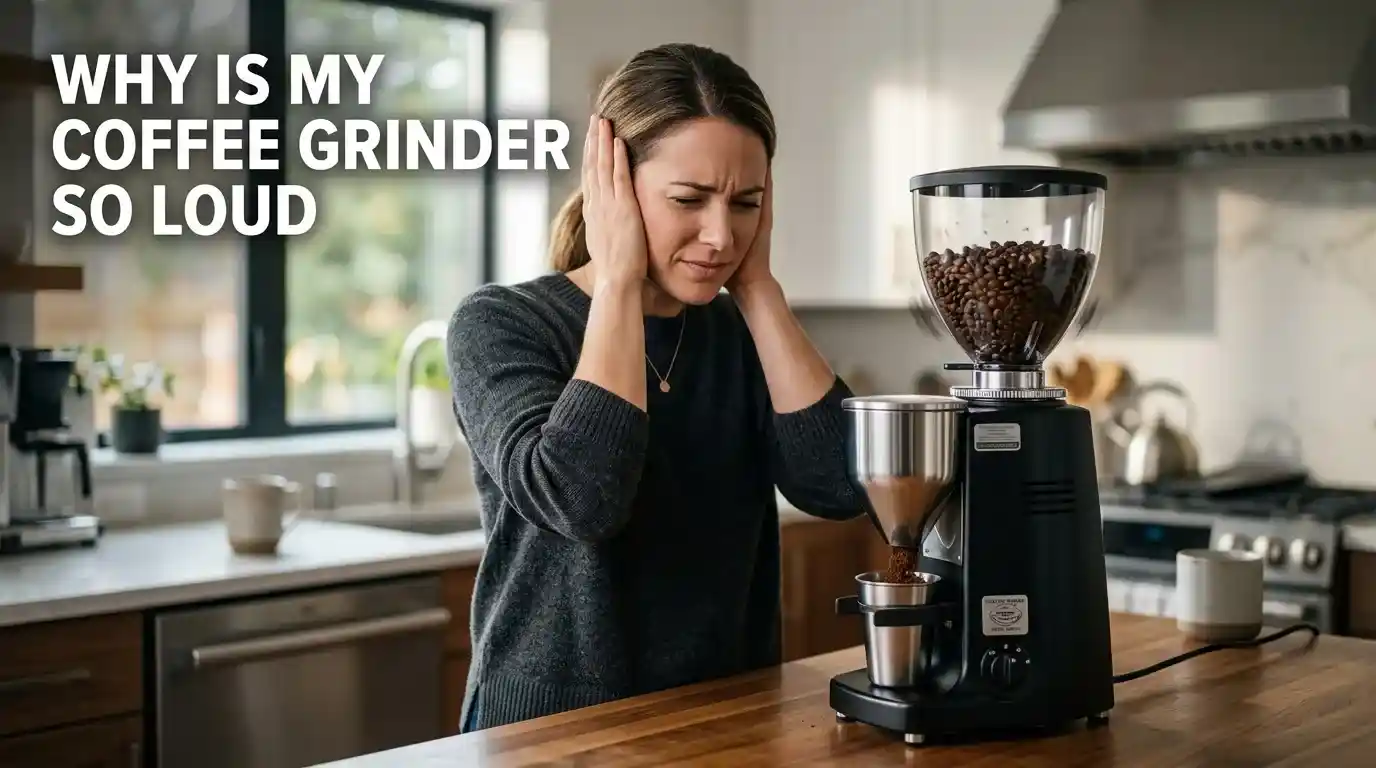
For many coffee lovers, the sound of a coffee grinder is the start of a good morning. But what happens when your grinder is so loud it wakes up the whole house or disturbs your neighbors? If you’re asking, “Why is my coffee grinder so loud?
”—you’re not alone. The noise isn’t just annoying; it can make your daily routine stressful. Understanding the causes behind the loud sound can help you fix the issue and enjoy a quieter coffee-making experience.
How Coffee Grinders Work
A coffee grinder’s main job is to crush coffee beans into smaller pieces for brewing. There are two main types: blade grinders and burr grinders.
- Blade grinders use a spinning blade to chop the beans. They’re usually cheaper but can be noisy and produce uneven grinds.
- Burr grinders use two rough surfaces (called burrs) to crush the beans. They give a more consistent grind and are often quieter, but not always.
The grinding process naturally makes noise. Beans are hard, and breaking them down requires force. However, if your grinder is unusually loud, something else might be wrong.
Main Reasons Your Coffee Grinder Is Loud
1. Type Of Grinder
Some grinders are noisy by design. Blade grinders are usually louder than burr grinders because the blade spins very fast and hits the beans with force. Burr grinders can also be loud, but the sound is often more muffled.
| Grinder Type | Typical Noise Level (dB) | Grind Consistency |
|---|---|---|
| Blade | 80-90 | Poor |
| Burr | 70-80 | Excellent |
| Manual Burr | 60-70 | Good |
Most home appliances run below 70 decibels. If your grinder is above 85 decibels, it’s as loud as city traffic.
2. Motor Power And Speed
Coffee grinders have motors that spin the blade or burrs. High-powered motors often grind beans faster, but they also produce more noise, especially if the motor runs at high speeds.
- Cheap motors can be loud because they vibrate more.
- High-speed motors make a higher-pitched, more intense sound.
Some brands advertise “quiet motors,” but even these can get loud over time.
3. Build Quality And Materials
The materials used in your grinder affect noise. Plastic housings vibrate more than metal ones, making the sound louder. Loose or thin parts can rattle and amplify the noise.
A grinder with poor build quality may sound like it’s falling apart. In contrast, a well-built grinder will have a tighter assembly and better dampening.
4. Bean Hardness And Freshness
Not all coffee beans are the same. Older beans can become harder and drier, making them more difficult to grind. Fresh beans are usually softer, so they make less noise when grinding.
Some coffee types are naturally harder due to how they’re roasted. Dark roast beans are often more brittle and may crack loudly, while light roast beans can be dense and tough.
5. Burr Or Blade Condition
Over time, burrs and blades wear down. Dull blades or burrs need more force to grind beans, causing extra noise. If you hear a grinding or screeching sound, the parts may need cleaning or replacement.
Regular maintenance is key. A neglected grinder can make grinding sound like a construction site.
6. Foreign Objects
Sometimes, foreign objects like small stones or metal pieces get mixed in with coffee beans. When these hit the blade or burr, the sound is much louder and harsher.
Always check your beans before grinding. Stones can damage your grinder and make it noisy.
7. Improper Assembly
If your grinder isn’t put together properly, parts may shake or vibrate. This increases noise, especially with loose lids, misaligned burrs, or missing screws.
Careful assembly can reduce the sound. If you notice new rattling noises, check for loose parts.
8. Placement And Environment
Where you place your grinder matters. Hard surfaces like kitchen counters can amplify noise. Grinding in a small room with hard walls makes the sound bounce around and seem louder.
Try putting your grinder on a rubber mat or towel. This can absorb some vibrations and make the noise less intense.
How To Make Your Coffee Grinder Quieter
You don’t have to live with a noisy grinder. Here are practical ways to reduce the sound:
1. Clean And Maintain Regularly
Dirt, old coffee grounds, and worn parts can cause extra noise. Clean your grinder often and check for dull blades or burrs.
- Remove old grounds with a brush.
- Inspect the burrs or blades for wear.
- Tighten any loose screws.
2. Use Fresh, Softer Beans
Grinding fresh beans is usually quieter. Avoid beans that are very old, very hard, or heavily roasted.
3. Change Your Grinder Placement
Put your grinder on a soft surface. A rubber mat, towel, or even a cutting board can help absorb vibrations.
If possible, grind in a larger room or near soft furniture to reduce echo.
4. Upgrade Your Grinder
If your grinder is very old or cheap, consider a new model. Modern burr grinders are often quieter than blade grinders.
| Model | Noise Level (dB) | Price (USD) | Features |
|---|---|---|---|
| Baratza Virtuoso | 75 | 249 | Burr, Consistent Grind |
| Hario Skerton Pro | 65 | 50 | Manual Burr, Portable |
| Krups Blade Grinder | 88 | 25 | Blade, Fast |
Manual burr grinders are the quietest, but require hand power.
5. Check For Foreign Objects
Always look through your beans before grinding. Even small stones can make a huge noise and damage your grinder.
6. Adjust Your Grind Size
Grinding beans very fine takes more effort and can make more noise. If your grinder lets you choose grind size, try a coarser setting.
7. Use Sound Barriers
If you grind coffee early in the morning, try placing your grinder inside a box or cabinet while using it. This can muffle the noise.
But be careful—don’t block the grinder’s vents or airflow.
Common Mistakes That Make Grinders Louder
Many people make simple errors that make their grinder louder:
- Skipping maintenance: Not cleaning your grinder increases noise over time.
- Ignoring worn parts: Dull burrs or blades need replacement.
- Grinding old, hard beans: These make more noise and stress the motor.
- Using a blade grinder for espresso: Blade grinders are loud and not suitable for fine grinds.
- Putting the grinder on hard surfaces: Kitchen counters amplify vibrations.
Avoiding these mistakes can help keep your grinder quieter and last longer.

Credit: www.reddit.com
Non-obvious Insights For Beginners
Most new coffee fans don’t realize:
- The grind size affects noise: Finer grinds require more force and time, which increases sound.
- Room acoustics play a big role: Grinding in a room with soft walls (curtains, carpets) can reduce noise by up to 30%.
Also, many grinders become louder as they age. This isn’t only due to the motor—tiny cracks in plastic housings, loose fittings, and worn burrs all add up. If your grinder was quiet when new but is loud now, check for these hidden issues.
Should You Replace Your Grinder?
If your grinder is very noisy, you may wonder if it’s time to buy a new one. Here are signs you might need an upgrade:
- The noise is much louder than when you first bought it.
- You notice rattling, screeching, or grinding sounds.
- The grinder produces uneven results.
- Cleaning and repairs don’t help.
Modern grinders are quieter and more efficient. Some brands have special “quiet grind” technology that reduces noise by up to 40%. For example, the Fellow Ode Brew Grinder is known for its low sound profile.
Before buying, check reviews and noise ratings. Look for grinders with metal housings and precision burrs.
Comparing Coffee Grinder Noise To Other Appliances
To understand how loud your grinder is, compare it to other kitchen tools:
| Appliance | Average Noise (dB) | Noise Description |
|---|---|---|
| Coffee Grinder | 70–90 | Loud, Vibrating |
| Blender | 85–95 | Very Loud |
| Microwave | 55–65 | Soft Hum |
| Toaster | 60–70 | Light Buzz |
| Dishwasher | 45–55 | Gentle Swish |
A coffee grinder is one of the loudest kitchen appliances, especially if you use a blade grinder.
Noise And Health: Is It A Problem?
Loud noise can be more than just an annoyance. Sounds above 85 decibels can damage hearing if exposed for long periods. Most coffee grinders don’t run long enough to cause harm, but frequent, high-volume noise can be stressful.
If you have sensitive ears or live with others, a quieter grinder will make mornings more pleasant. Children and pets may also be disturbed by loud sounds.
:max_bytes(150000):strip_icc()/sea-primary-coffee-grinders-oct-24-nsimpson-207-b439c1ef1a674697b2825604e5321d5c.jpeg)
Credit: www.seriouseats.com
Expert Tips For A Quieter Coffee Routine
- Use a manual burr grinder if you want the quietest option.
- Clean your grinder after every use. Old grounds can cause extra noise.
- Buy coffee beans from trusted sources—avoid beans with stones or debris.
- Place your grinder on a soft mat, away from walls.
- If noise is still a problem, consider grinding beans ahead of time.
For more information on noise and appliance ratings, visit Consumer Reports.
Frequently Asked Questions
Why Is My Coffee Grinder Louder Than Before?
Grinders often get louder as they age. Worn burrs, loose parts, and dirty motors can all make the sound worse. Regular cleaning and maintenance can help, but sometimes parts need replacement.
Are Blade Grinders Always Louder Than Burr Grinders?
Yes, blade grinders are usually louder because the blade spins fast and hits beans with force. Burr grinders crush beans more gently, making less noise.
Can Grinding Beans Damage My Hearing?
Most grinders are not run long enough to harm hearing. However, grinders above 85 decibels can be stressful, especially with daily use. If you’re worried, use earplugs or switch to a quieter grinder.
How Can I Check If My Grinder Has Foreign Objects?
Look through your beans before grinding. Stones, metal, or hard debris make a sharp, sudden noise and can damage your grinder. If you hear a strange sound, stop grinding and check.
Is It Worth Upgrading To A Quieter Grinder?
If noise bothers you or others in your home, upgrading to a burr grinder or a modern “quiet grind” model is worth it. You’ll get a better coffee experience and less stress.
A loud coffee grinder can make mornings tough, but with the right steps, you can enjoy fresh coffee without waking the house. Understanding the causes of noise and how to fix them will help you get the best from your grinder—and your coffee.