Skip to content
Why Is My Stand Mixer So Loud?
For many home bakers and cooks, a stand mixer is a kitchen hero. It saves time and energy, and lets you whip up dough, cake batter, and more. But sometimes, you notice your mixer is loud—much louder than you expected. Is this normal? Should you worry? Can you fix it? Let’s explore the reasons behind noisy stand mixers, what’s normal, and what to do if yours sounds like a jet engine.
Understanding Stand Mixer Noise
Some noise is expected with any stand mixer. These machines use powerful motors and gears to mix thick dough or whip cream. But how loud is too loud? Most stand mixers run between 65 to 80 decibels—about as loud as normal conversation or a busy restaurant. If your mixer is much louder, or makes strange sounds, it could mean a problem.
What Causes Mixer Noise?
Noise comes from several sources:
- Motor vibration: The motor spins fast, creating vibration and hum.
- Gear movement: Inside, gears transfer power to the mixing tools. Metal gears can be noisy.
- Mixing bowl and beaters: The contact between the bowl and beaters adds noise, especially with thick dough.
- Mixer body: If the machine is not stable, it shakes and gets louder.
Many brands use plastic gears to reduce sound, but metal gears are tougher and sometimes noisier. Some mixers have sound-insulating covers, but most do not.
Common Reasons For Excessive Noise
If your stand mixer is louder than usual, several things could be happening. Here’s a breakdown:
1. Hard Or Dry Dough
Mixing heavy dough like bread or pizza increases strain. The motor works harder, and gears grind louder. If you hear loud clicking or grinding, pause and check the dough. Add a little water if it’s too dry.
2. Mixer Age And Wear
An older mixer often gets louder. Over time, gears wear down, lubrication dries up, and parts loosen. These issues increase noise, especially squeaks or rattles.
3. Lack Of Lubrication
Mixers need food-grade grease inside their gearboxes. If grease dries out, gears rub metal-to-metal, creating grinding sounds. Regular maintenance can prevent this.
4. Loose Or Damaged Parts
A loose beater shaft, bowl, or gear can cause clanking or rattling. Check for parts that move or vibrate too much. Tighten them before use.
5. Mixing Speed
High speeds naturally make more noise. If your mixer is noisy only at top speed, it may be normal. But sudden loudness at low speed is a red flag.
6. Poor Placement
If your mixer sits on a thin or hollow surface, vibrations get amplified. Place it on a solid counter, preferably with a rubber mat underneath.
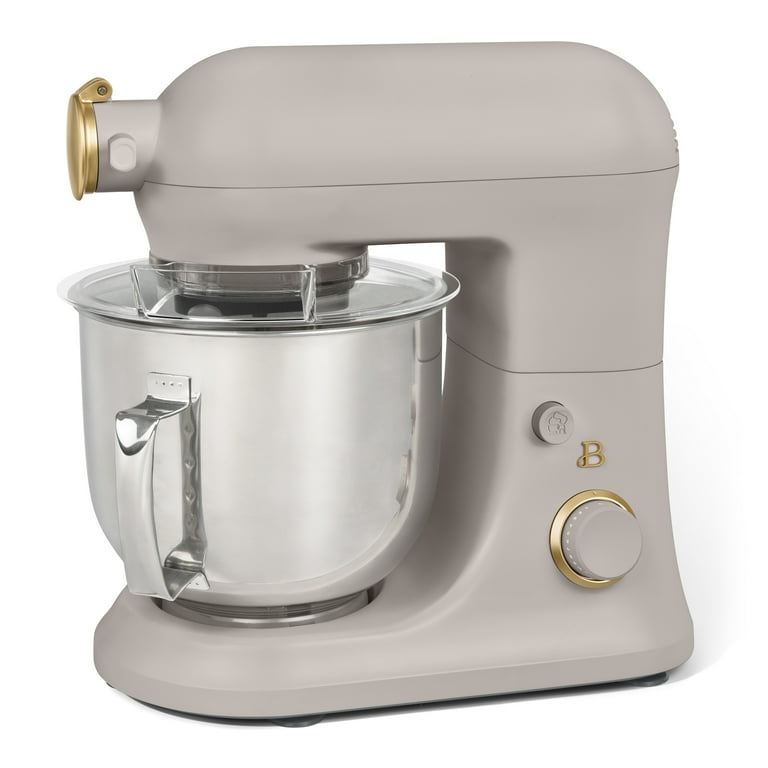
Credit: www.walmart.com
Noise Levels By Brand And Model
To understand whether your mixer is louder than normal, compare it with others. Below is a table showing average noise levels for popular stand mixers.
| Brand & Model | Noise Level (dB) | Gear Material | Notes |
|---|---|---|---|
| KitchenAid Artisan | 68-70 | Mixed (Metal & Plastic) | Most common; moderate noise |
| KitchenAid Pro 600 | 74-76 | Metal | Powerful, louder with dough |
| Hamilton Beach 7-Speed | 65-67 | Plastic | Quieter, less powerful |
| Bosch Universal Plus | 72-74 | Metal | High capacity, steady noise |
| Cuisinart SM-50 | 70-72 | Metal | Average noise, strong motor |
As the table shows, metal gears tend to be louder, but they last longer. Mixers with plastic gears are quieter but not as durable.
Diagnosing Mixer Sounds
Not all mixer sounds are equal. Listen carefully—what type of noise do you hear? Here are some examples:
Humming
A steady hum is normal. It’s the motor running.
Grinding Or Screeching
Grinding means gears or bearings are rubbing. Screeching could mean the grease has dried up or a part is broken.
Clanking Or Rattling
Loose bowls, beaters, or internal parts make clanking sounds. Tighten everything and see if the noise stops.
Clicking
Repeated clicking often means a worn gear or loose shaft.
High-pitched Whine
A high-pitched noise could be a sign of electrical issues or a failing motor.

Credit: www.appliancepartspros.com
Fixes For Loud Stand Mixers
If your mixer is too loud, try these solutions before calling a technician:
- Check placement: Move the mixer to a sturdier counter. Use a rubber mat.
- Tighten attachments: Make sure the bowl and beaters are securely attached.
- Clean and lubricate: Open the gear housing if possible. Add food-grade grease to gears.
- Reduce speed: Mix at lower speed for light tasks.
- Avoid overload: Don’t mix too much dough at once. Follow the mixer’s capacity guide.
If noise persists, the mixer may need professional repair. Gear replacement or motor servicing is best done by experts.
Preventing Mixer Noise
You can prevent loud noise with regular care:
- Clean the mixer after each use
- Lubricate gears every 1-2 years
- Avoid overloading the bowl
- Store on a stable surface
- Check for loose parts before mixing
These steps keep your mixer running smoothly and quietly.

Credit: www.reddit.com
Mixer Noise Vs. Other Kitchen Appliances
How does a stand mixer compare to other common appliances? Here’s a quick look:
| Appliance | Average Noise (dB) | Typical Use |
|---|---|---|
| Stand Mixer | 65-80 | Mixing dough, batter |
| Blender | 85-90 | Liquefying, smoothies |
| Food Processor | 80-85 | Chopping, pureeing |
| Coffee Grinder | 75-80 | Grinding beans |
| Hand Mixer | 60-65 | Mixing light batter |
Most stand mixers are quieter than blenders or food processors, but noisier than hand mixers.
When Is Mixer Noise A Serious Problem?
Some noise is normal, but certain sounds mean trouble:
- Sudden loud grinding: Gear failure or motor issue
- Burning smell: Motor overheating
- Sparks or smoke: Electrical fault
- Mixer stops suddenly: Internal damage
If you notice these, stop the mixer immediately. Unplug and contact service.
Real-world Examples
Let’s look at two typical scenarios:
- Baker’s Mixer Gets Loud: A home baker notices her KitchenAid is louder after kneading bread dough. She checks the bowl and beaters—they’re tight. She adds a bit of water to the dough, and the noise drops. The mixer was struggling with dry, heavy dough.
- Old Mixer Squeaks: A family’s old stand mixer squeaks and grinds. They open the gear housing and see dried grease. After adding fresh food-grade lubricant, the mixer runs quietly again.
Many beginners miss the importance of regular lubrication and checking for loose parts. If you ignore these steps, your mixer gets louder and wears out faster.
Stand Mixer Buying Tips For Quiet Operation
If you want a quieter mixer, pay attention to these factors:
- Gear material: Plastic gears are quieter but less durable. Metal gears last longer, but make more noise.
- Motor power: Higher wattage means more noise, but better performance.
- Sound insulation: Some premium models have extra insulation.
- Brand reputation: Choose brands with good reviews for quiet operation.
Here’s a comparison of features for quiet stand mixers:
| Feature | Benefit | Common in |
|---|---|---|
| Plastic Gears | Lower noise | Entry-level mixers |
| Metal Gears | Durability | Professional mixers |
| Sound Insulation | Quieter operation | Premium models |
| Lower Wattage | Less noise | Home mixers |
| Stable Base | Reduces vibration | All models |
Don’t overlook reviews and expert advice when choosing your mixer. For more details, see the Consumer Reports guide.
Frequently Asked Questions
Why Is My Mixer Suddenly Louder Than Before?
A sudden increase in noise can mean worn gears, dried grease, or a loose part. Check for these issues and lubricate or tighten as needed.
Is It Normal For Mixers To Make Grinding Sounds?
A little grinding is normal with tough dough, but continuous grinding means the gears need lubrication or are wearing out.
Can I Fix A Loud Mixer Myself?
You can fix minor issues—tighten attachments, add grease, check placement. For internal repairs like gear replacement, see a professional.
How Often Should I Lubricate My Stand Mixer?
Lubricate gears every 1-2 years if you use your mixer frequently. If you notice grinding, grease sooner.
Are Quiet Mixers Less Powerful?
Not always. Some quiet mixers use sound insulation or improved design. But in general, lower wattage models are quieter, and high-powered mixers are louder.
A noisy stand mixer can be annoying, but it’s often easy to diagnose and fix. With proper care, your mixer will stay reliable and quieter for years. Listen to your machine, maintain it well, and enjoy baking without the roar.
If your mixer is still too loud, consider upgrading to a model designed for quieter operation.