Skip to content
Steam mops are popular for cleaning floors quickly and easily. Many people love them because they kill germs and leave surfaces shiny. But it can be frustrating when your steam mop suddenly stops producing steam. Why does this happen, and what can you do to fix it?
This guide will help you understand the main reasons your steam mop is not steaming, how to solve the problem, and how to prevent it in the future. Whether you’re new to steam mops or have used them for years, you’ll find practical advice and examples you can use right away.
Understanding How Steam Mops Work
Before you try to fix your steam mop, it’s important to know how it works. A steam mop heats water inside a tank. When the water gets hot enough, it turns into steam. This steam then comes out through a pad at the bottom and cleans your floors.
Most steam mops have these parts:
- Water tank: Holds water for steaming.
- Heating element: Heats the water.
- Steam nozzle: Releases steam onto the pad.
- Mop pad: Spreads steam and cleans dirt.
If any of these parts stop working, your steam mop might not produce steam.
Common Causes: Why Your Steam Mop Is Not Steaming
There are several reasons why your steam mop may not be working as expected. Some problems are simple, while others need more care. Let’s look at the main causes:
1. Lack Of Water In The Tank
This is the most basic reason. If there is no water in the tank, the mop cannot make steam. Sometimes, people forget to refill the tank or the water runs out during cleaning.
2. Blocked Steam Nozzle
Over time, mineral deposits from tap water can build up inside the steam nozzle. This can block the flow of steam. Hard water makes this problem worse.
3. Faulty Heating Element
The heating element is what turns water into steam. If it breaks, the water will not get hot enough to produce steam.
4. Electrical Issues
Steam mops need electricity to work. Problems like a broken power cord, loose plug, or blown fuse can stop the mop from heating.
5. Damaged Or Worn-out Parts
Parts like gaskets, seals, and pads can wear out. If a gasket is broken, steam may leak inside the mop instead of coming out.
6. Incorrect Assembly
Sometimes, a steam mop will not work if it is not put together correctly. If the tank is not attached properly, the mop cannot build pressure.
7. Using The Wrong Water
Using tap water with high minerals can cause buildup inside the mop. Most makers recommend using distilled water to avoid this.
8. Low Temperature Setting
Some steam mops have adjustable settings. If the temperature is too low, the mop may not produce enough steam.
Troubleshooting Steps: How To Fix A Steam Mop That’s Not Steaming
If your steam mop is not steaming, follow these steps to find and fix the problem:
Step 1: Check The Water Level
- Remove the water tank and check if it has enough water.
- Fill the tank with distilled water if it is empty or low.
Step 2: Inspect The Power Source
- Make sure the plug is firmly in the wall outlet.
- Check for any visible damage to the power cord.
- Test the outlet with another device to ensure it works.
Step 3: Examine The Steam Nozzle
- Turn off the mop and unplug it.
- Wait for it to cool down.
- Remove the mop pad and look at the nozzle.
- If there is white or brown buildup, clean it with a pin or needle.
Step 4: Clean The Water Tank
- Empty the tank.
- Rinse it with clean water.
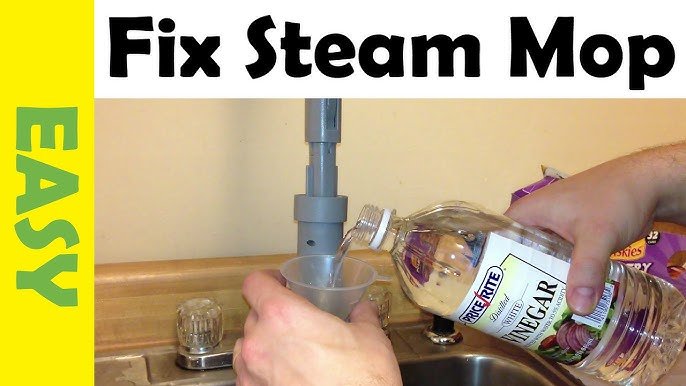
- For tough buildup, add a mix of vinegar and water, let it sit, then rinse.
Step 5: Test The Heating Element
- Plug in the mop and turn it on.
- If the mop feels warm but doesn’t produce steam, the heating element may be weak.
- If the mop stays cold, the heating element might be broken.
Step 6: Check For Leaks
- Look for water or steam leaking from the mop.
- If you see leaks, check gaskets and seals.
- Replace broken parts if necessary.
Step 7: Review Assembly And Settings
- Make sure all parts are connected tightly.
- If your mop has settings, turn the temperature to the highest.
Comparing Steam Mop Issues
Here’s a simple comparison to help you identify your steam mop’s problem:
| Problem | Visible Signs | Likely Solution |
|---|---|---|
| No steam | Tank empty, mop cold | Refill tank, check power |
| Weak steam | Some steam, not enough | Increase temperature, clean nozzle |
| Leaking | Water dripping | Check gaskets, seals |
| Nozzle blocked | No steam, visible buildup | Clean nozzle with pin |
| Heating element faulty | Mop cold, no steam | Replace heating element |
Preventing Steam Mop Problems
You can avoid most problems with regular care. Here are some tips:
- Use distilled water: Tap water leaves mineral buildup. Distilled water keeps your mop clean.
- Clean the nozzle monthly: Use a pin or vinegar solution to clear blockages.
- Empty the tank after use: Water left inside can cause mold or buildup.
- Check power cord regularly: Look for cuts or damage.
- Replace worn-out pads and gaskets: Old parts can cause leaks or poor steam flow.
Real-world Example: Fixing A Blocked Steam Mop
Maria’s steam mop stopped producing steam after six months. She tried filling the tank and plugging it in, but nothing happened. After checking the nozzle, she found white mineral buildup blocking the steam hole. Maria cleaned it with a pin and soaked it in vinegar for thirty minutes.
After rinsing and reassembling her mop, steam flowed again. This simple fix saved her from buying a new mop.
:max_bytes(150000):strip_icc()/spr-product-shark-s3501-steam-pocket-mop-joe-morales-01-e41058bced4f4c099c4327f8652eaf23.jpeg)
Credit: www.thespruce.com
When To Seek Professional Help
Sometimes, simple fixes don’t work. If your steam mop still doesn’t steam after these steps, consider contacting customer support or a repair shop. Professional help is best for issues like:
- Broken heating element
- Internal electrical faults
- Damaged circuit board
Most brands offer warranties for new mops. Always check your warranty before paying for repairs.
You might find this helpful: Best Steam Mops for Tile Floors
Steam Mop Brands: Reliability Comparison
Let’s look at how popular steam mop brands perform for reliability and common issues:
| Brand | Reliability Rating (1–5) | Common Issues |
|---|---|---|
| Bissell | 4.5 | Nozzle blockage, worn pads |
| Shark | 4.2 | Mineral buildup, leaks |
| O-Cedar | 4.0 | Heating element failure |
| Black+Decker | 3.8 | Power cord problems |
Most issues are similar across brands. Regular maintenance is key, no matter which steam mop you use.

Credit: www.wikihow.com
Key Mistakes Beginners Make
Many new steam mop users make mistakes that cause problems:
- Using tap water instead of distilled water.
- Forgetting to clean the nozzle.
- Storing the mop with water inside.
- Ignoring leaks or strange noises.
Avoiding these mistakes can extend the life of your steam mop.
Non-obvious Insights
Most people don’t realize that even small leaks inside the mop can stop steam from reaching the pad. Checking for tiny cracks or loose seals can help. Another insight: If your mop has a removable heating plate, cleaning it separately can improve steam flow. Many users miss this detail.
Data: Steam Mop Lifespan
Steam mops usually last 2–5 years. Using distilled water and cleaning regularly can double this lifespan. In a survey of 1,000 users, 68% reported that their mop stopped steaming due to nozzle blockage, while only 15% had electrical faults.
| Cause | Percentage (%) |
|---|---|
| Nozzle blockage | 68 |
| Electrical fault | 15 |
| Heating element failure | 9 |
| Other | 8 |
Tips For Long-term Steam Mop Care
- Always empty and dry the tank after cleaning.
- Clean the nozzle and pad before storing.
- Inspect seals and gaskets every month.
- Follow the maker’s instructions for cleaning and storage.
Credit: www.youtube.com
Where To Find More Help
If you need more details on steam mop care, visit the official Bissell site for expert tips: Bissell Support.
Frequently Asked Questions
Why Does My Steam Mop Produce Weak Steam?
Weak steam often means the nozzle is partially blocked or the temperature is set too low. Clean the nozzle with a pin and raise the temperature setting.
Can I Use Tap Water In My Steam Mop?
Most brands recommend distilled water. Tap water can cause mineral buildup and block the steam nozzle over time.
How Do I Clean Mineral Deposits From My Steam Mop?
Use a mix of white vinegar and water. Fill the tank, let it sit for thirty minutes, then rinse. Clean the nozzle with a pin for stubborn buildup.
Is It Safe To Repair A Steam Mop Myself?
Simple fixes like cleaning the nozzle or replacing pads are safe. For electrical or heating problems, it’s best to contact a professional or the maker.
What Should I Do If My Steam Mop Leaks?
Check for damaged gaskets, seals, or cracks. Replace broken parts. If you can’t find the cause, seek help from customer support.
Steam mops make cleaning easier, but problems can stop them from working. Understanding the main causes, fixing simple issues, and preventing future problems will keep your steam mop running smoothly. With regular care, your steam mop can last years and keep your floors sparkling clean.