Skip to content
When you step into your kitchen, it’s easy to think about food, recipes, and flavors. But what often goes unnoticed is the unseen world of germs and bacteria. Kitchens are busy places, full of activity and different ingredients. Without proper sanitizing, these spaces can quickly become risky for your health. Understanding why sanitizing is important in the kitchen isn’t just about following rules—it’s about keeping your food safe, preventing sickness, and protecting everyone who eats at your table.
The Hidden Dangers In The Kitchen
Many people believe their kitchen is clean if it looks tidy. But looks can be deceiving. Bacteria, viruses, and fungi are invisible to the naked eye. These microorganisms thrive on surfaces like cutting boards, sinks, countertops, and even kitchen towels. According to the CDC, foodborne illnesses affect 48 million Americans each year. That’s about 1 in 6 people. Most of these cases come from problems in food handling, preparation, or storage—areas directly tied to how well a kitchen is sanitized.
Raw meat, poultry, and eggs are common sources of harmful bacteria such as Salmonella and E. coli. Even vegetables can carry bacteria if not washed properly. When these germs spread in the kitchen, the risk of cross-contamination increases. For example, using the same knife for cutting chicken and vegetables without sanitizing can transfer bacteria. This is why sanitizing isn’t just a suggestion—it’s essential.
What Does Sanitizing Mean?
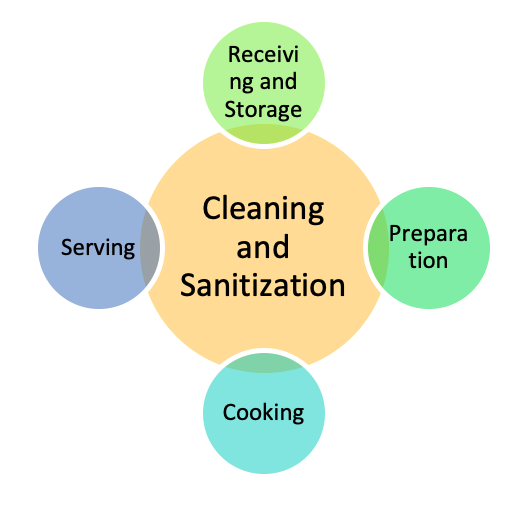
Sanitizing is more than cleaning. Cleaning removes visible dirt and food particles, but sanitizing kills bacteria and viruses that you can’t see. It means using special products or methods to reduce germs to safe levels.
There are three main steps in effective sanitizing:
- Cleaning: Removing food debris and dirt from surfaces.
- Sanitizing: Applying a solution or heat to kill bacteria.
- Drying: Letting surfaces dry, since moisture can help germs multiply.
For example, wiping a countertop with soapy water is cleaning. Using a bleach solution afterward is sanitizing. Drying with a clean towel finishes the process.
The Difference Between Cleaning And Sanitizing
People often confuse cleaning with sanitizing. But they are not the same. Cleaning makes things look neat, while sanitizing makes them safe.
Here’s a quick comparison:
| Aspect | Cleaning | Sanitizing |
|---|---|---|
| Purpose | Remove dirt, food, stains | Reduce germs to safe levels |
| Visible Result | Looks clean | May look unchanged |
| Method | Soap, water, scrubbing | Bleach, heat, chemicals |
| Health Impact | Lower risk of pests | Lower risk of sickness |
A surface can look clean but still have dangerous germs. Only sanitizing ensures those germs are gone.
Why Is Sanitizing Crucial For Health?
Sanitizing is the main barrier between you and foodborne illness. Here are some reasons why it matters:
Prevents Food Poisoning
Food poisoning can happen when germs from food or surfaces get into your body. Symptoms include stomach pain, vomiting, and diarrhea. Sometimes, food poisoning leads to serious problems or even death. Kitchens are a common place for these germs to spread.
Proper sanitizing can reduce the risk of food poisoning by up to 99%.
Protects Vulnerable People
Young children, older adults, and people with weak immune systems are more likely to get sick from kitchen germs. For these groups, even mild bacteria can cause severe illness. Sanitizing helps protect everyone, especially those most at risk.
Stops The Spread Of Allergens
Sanitizing isn’t just about germs. It also helps remove allergens like peanuts, eggs, and shellfish from surfaces. This is important for families with food allergies. Without sanitizing, small traces of allergens can cause dangerous reactions.
Reduces Cross-contamination
Cross-contamination happens when bacteria move from one item to another. For example, raw chicken juices touching salad leaves can make them unsafe to eat. Sanitizing stops this process, keeping each ingredient safe.

Credit: www.amenify.com
The Most Common Sources Of Germs In The Kitchen
Some kitchen items are more likely to collect germs. Knowing where to focus your sanitizing efforts can make a big difference.
- Sponges and Dishcloths: These often stay moist and trap food, making them perfect for bacteria growth. A study found that kitchen sponges can contain more bacteria than a toilet seat.
- Cutting Boards: Especially those used for meat. Wooden boards can trap bacteria in tiny cracks.
- Sink and Faucet Handles: These areas often get touched by dirty hands or washed food.
- Refrigerator Handles: Germs can spread as you grab the fridge after handling raw food.
- Countertops: Anything you place on the counter can leave behind bacteria.
- Knobs and Drawer Handles: Frequently touched but rarely sanitized.
- Garbage Cans: Food waste can introduce bacteria, especially if the bin is not cleaned regularly.
Identifying these hotspots is a good first step in improving kitchen hygiene.
How To Properly Sanitize Kitchen Surfaces
Sanitizing doesn’t need to be complicated. Here are practical steps to get it right:
Step-by-step Guide
- Clean Surface First: Remove crumbs, grease, and visible dirt.
- Apply Sanitizer: Use a bleach solution (1 tablespoon bleach per gallon of water) or a commercial kitchen sanitizer.
- Wait Time: Let the sanitizer sit for 1-5 minutes, depending on the product instructions.
- Rinse (if needed): Some sanitizers need rinsing. Check the label.
- Dry: Use a clean towel or let air dry.
Common Mistakes To Avoid
- Using dirty cloths to wipe surfaces.
- Not letting sanitizer sit long enough.
- Forgetting to sanitize after handling raw meat.
- Using too much or too little sanitizer.
Special Tips
- Use separate cutting boards for raw meat and vegetables.
- Sanitize sponges by microwaving them for 1-2 minutes (make sure they’re wet).
- Don’t reuse towels for cleaning and drying.
- Change dishcloths daily.
Credit: www.solenis.com
Types Of Kitchen Sanitizers And Their Effectiveness
Different sanitizers offer different strengths. Choosing the right one depends on your needs.
| Sanitizer Type | Main Use | Effectiveness (%) | Notes |
|---|---|---|---|
| Bleach Solution | General surfaces | 99.9 | Cheap, fast, but strong smell |
| Alcohol-based | Handles, small items | 98 | Evaporates quickly |
| Commercial sprays | Countertops | 95-99 | Easy to use, many scents |
| Hot Water | Dishes, utensils | 90 | Needs high temperature |
| Vinegar | Glass, mild surfaces | 80-85 | Natural, but less effective |
Bleach solution is the most reliable for killing germs, but always use it safely and according to instructions.
How Often Should You Sanitize?
Frequency depends on your kitchen activities. Here’s a guideline:
- After preparing raw meat: Always sanitize surfaces.
- Daily: Wipe and sanitize countertops, sinks, and handles.
- Weekly: Deep clean refrigerator shelves, garbage bins, and cutting boards.
- Monthly: Sanitize less-used items like cabinet interiors and pantry shelves.
Busy kitchens may need more frequent sanitizing. For example, if you cook daily for a large family, sanitize high-touch areas more often.
Kitchen Sanitizing For Home Vs. Restaurants
Restaurants follow strict rules for sanitizing because they serve many people. At home, the standards aren’t enforced, but the risks are still real.
| Aspect | Home Kitchen | Restaurant Kitchen |
|---|---|---|
| Frequency | Daily or as needed | Every few hours |
| Products Used | Household bleach, sprays | Commercial-grade sanitizers |
| Checks | Personal judgment | Health inspections |
| Records | Rarely kept | Mandatory logs |
Home kitchens don’t need restaurant-level documentation, but regular sanitizing is still key to safety.
The Impact Of Poor Kitchen Sanitizing
Ignoring proper sanitizing can have serious consequences:
- Health Risks: Increased chances of foodborne illness, especially for children and older adults.
- Bad Food Taste: Germs can spoil food faster, leading to strange smells or flavors.
- Pest Problems: Dirty kitchens attract insects and rodents.
- Legal Issues: In restaurants, failing to sanitize can lead to fines or closures.
One non-obvious insight is that poor sanitizing can also affect your mental well-being. Knowing your kitchen is clean gives peace of mind and confidence in the food you serve.
Sanitizing Appliances And Tools
Don’t forget about appliances. Dishwashers, microwaves, and refrigerators need regular sanitizing.
- Dishwasher: Run a hot cycle with vinegar monthly.
- Microwave: Wipe inside with a bleach solution weekly.
- Refrigerator: Remove shelves, sanitize with mild bleach, and dry before returning.
Utensils, pots, and pans should be sanitized after contact with raw meat or eggs. Air drying is best since towels can reintroduce germs.
Using Natural Sanitizers
Some people prefer natural sanitizers like vinegar or baking soda. These can help, but they are less effective than commercial products. Vinegar can kill some bacteria, but not all. Baking soda cleans well but doesn’t sanitize.
If you use natural products, combine them with hot water for better results. For deep sanitizing, stick to proven solutions like bleach or commercial sprays.

Credit: www.townappliance.com
The Role Of Hand Hygiene
Sanitizing the kitchen also means keeping hands clean. Hands are the biggest carriers of germs. Wash hands with soap and water for at least 20 seconds before and after cooking. Dry hands with clean towels or air dryers. Don’t touch your face or hair while preparing food.
Studies show that 70% of foodborne illness outbreaks start with poor hand hygiene. It’s simple, but often overlooked.
Teaching Sanitizing Habits To Family
Good habits start with education. Teach family members, especially children, about the importance of kitchen sanitizing.
- Show how to clean and sanitize surfaces.
- Explain why it matters for health.
- Encourage washing hands before and after meals.
- Make sanitizing fun with safe products and easy steps.
Creating routines makes sanitizing second nature.
Technology And Kitchen Sanitizing
Modern kitchens have new tools for sanitizing. Ultraviolet (UV) sanitizers are becoming popular. These devices use light to kill germs on surfaces and utensils. Some dishwashers and refrigerators now offer sanitizing cycles.
Apps and reminders can help track sanitizing schedules. For busy families, technology can make kitchen safety easier.
Common Misconceptions About Kitchen Sanitizing
Many people misunderstand kitchen sanitizing. Here are some myths:
- “If it looks clean, it’s safe.” Germs are invisible.
- “Soap is enough.” Soap cleans, but doesn’t sanitize.
- “Sanitizing once a week is enough.” High-touch areas need daily care.
- “Natural products are as good as bleach.” Most natural products don’t kill all bacteria.
Understanding these misconceptions can help improve your kitchen habits.
Environmental Impact Of Sanitizing
Sanitizing often uses chemicals that can harm the environment. But you can reduce the impact:
- Use the right amount of sanitizer—don’t overuse.
- Choose eco-friendly products when possible.
- Avoid harsh chemicals unless needed for deep sanitizing.
- Dispose of cleaning waste properly.
Some eco-friendly sanitizers are now available, made from plant-based ingredients. These can work well for everyday use.
Why Kitchen Sanitizing Is Different From Other Rooms
Kitchens are unique because they involve food. Unlike bathrooms or living rooms, bacteria in the kitchen can enter your body through meals. Kitchens also have moisture, warmth, and organic material—all things germs love.
Sanitizing in the kitchen needs extra care. Pay attention to food contact surfaces, utensils, and appliances. Other rooms don’t have the same risks.
Real-life Example: A Kitchen Outbreak
In 2018, a small restaurant in the US had an outbreak of Salmonella. Investigation showed that the kitchen staff didn’t sanitize cutting boards after handling raw chicken. Over 30 people got sick. The restaurant had to close for weeks and pay fines.
This example shows how one missed step can cause big problems. Even at home, skipping sanitizing can put your family at risk.
Benefits Of Regular Kitchen Sanitizing
Sanitizing isn’t just about avoiding sickness. It has other advantages:
- Longer-lasting appliances: Clean surfaces prevent rust and wear.
- Better food flavor: No strange tastes from bacteria.
- Cleaner air: Fewer germs mean less smell.
- Peace of mind: Confidence that your kitchen is safe.
Another insight—sanitizing can improve your cooking skills. Clean tools and surfaces make it easier to focus on recipes without worry.
Frequently Asked Questions
What Is The Best Sanitizer For Kitchen Surfaces?
Bleach solution (1 tablespoon per gallon of water) is highly effective and affordable. Commercial kitchen sprays are also good, especially for quick cleaning.
How Can I Sanitize My Cutting Boards?
After cleaning, soak the board in a bleach solution for 5 minutes. Rinse and dry. For wooden boards, use hot water and scrub well. Replace boards with deep cracks.
Are Natural Sanitizers Safe For Food Areas?
Natural sanitizers like vinegar can help, but they’re less effective than bleach. Use natural products for everyday cleaning, but rely on proven sanitizers for deep cleaning.
How Often Should I Sanitize Kitchen Sponges?
Sanitize sponges daily. Microwave them wet for 1-2 minutes or soak in bleach solution. Replace sponges every week or two.
Can Sanitizing Harm My Kitchen Appliances?
Sanitizing helps appliances last longer. Use gentle products and follow manufacturer instructions. Avoid harsh chemicals on sensitive surfaces.
Keeping your kitchen sanitized is one of the most important steps for safe, healthy living. It protects your family, improves your cooking, and stops germs from spreading. As kitchens get busier, the need for good sanitizing habits only grows. If you want to learn more, the CDC offers helpful guidance on kitchen hygiene at CDC Food Safety. With regular sanitizing, your kitchen can be a safe, welcoming place for everyone.