Skip to content
Are Epicurean Cutting Boards Toxic?
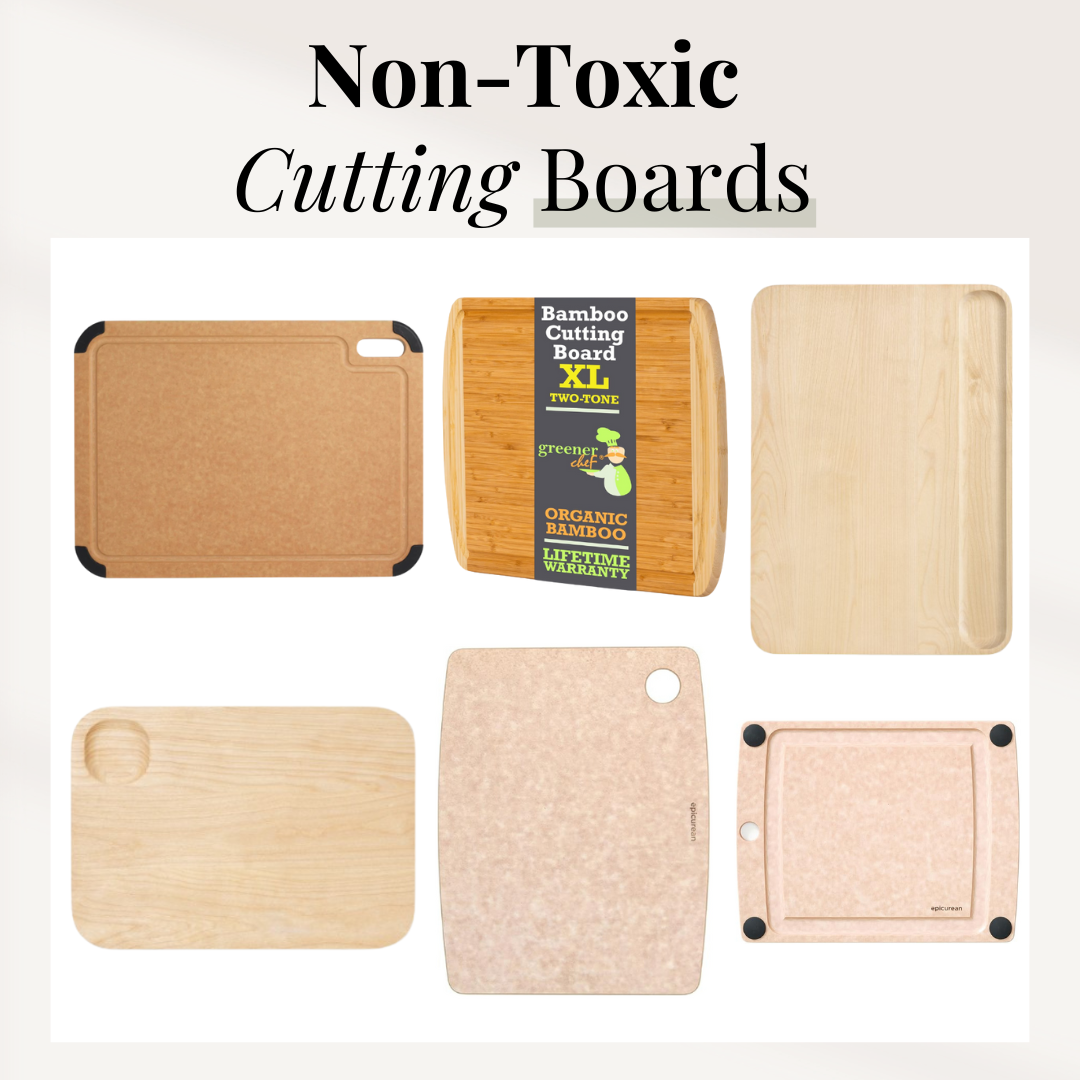
For many home cooks and professional chefs, the right cutting board is more than a kitchen tool—it’s about food safety, convenience, and even the enjoyment of cooking. Epicurean cutting boards, made from composite materials, are popular for their sleek design and ease of use. But as more people look for non-toxic and safe kitchenware, a question often comes up: Are Epicurean cutting boards toxic? Let’s look deeper into what these boards are made of, any potential health risks, and what you should consider before using them in your kitchen.
What Are Epicurean Cutting Boards Made Of?
Epicurean boards are not like typical wood or plastic boards. They are made from Richlite, a composite material created by layering sheets of paper and soaking them in food-safe resin. This resin is then heated and pressed into a solid, durable sheet. The result is a board that looks like wood but behaves differently.
Key features of Epicurean boards:
- Made from wood fiber composite
- Non-porous surface
- Dishwasher safe
- Heat resistant up to 350°F (177°C)
The resin used is usually phenolic resin, which is valued for its strength and resistance to moisture. While the paper comes from FSC-certified wood, the resin part often raises questions about safety—especially when food comes in contact with the board.
Safety Standards And Certifications
Epicurean promotes their products as NSF certified, which means they meet certain public health and safety standards. The NSF (National Sanitation Foundation) certification is important for food service items, as it checks for toxic substances, cleanability, and resistance to bacteria.
Epicurean boards also claim to be:
- BPA-free
- Formaldehyde-free
- Nonporous, which means bacteria and liquids do not soak in easily
However, there’s a difference between being certified for commercial use and being completely free from any chemicals. Some users worry about what happens when the resin or board is scratched, heated, or used over many years.
Breaking Down The “toxic” Question
What Does “toxic” Mean Here?
When people ask if a cutting board is toxic, they usually mean:
- Can the material leach harmful chemicals into food?
- Does the board release substances when cut, heated, or cleaned in a dishwasher?
- Is there any risk over long-term use?
For Epicurean boards, the main concern is the phenolic resin. While it is considered food-safe after curing, there are still questions about micro-particle release and chemical migration under certain conditions.
Chemical Migration And Food Contact
Studies show that cured phenolic resins are stable and do not easily leach chemicals. Epicurean’s own statements and third-party tests suggest that the amount of chemical migration is extremely low, within legal limits set by US and European agencies.
However, if the board is used at extremely high temperatures (above 350°F/177°C), there is potential for some breakdown of the material. This is not likely during normal food prep but could happen if the board is used as a hot pan trivet or in the oven.
Comparing Epicurean To Other Cutting Boards
It’s helpful to see how Epicurean boards compare to other common options. Below is a comparison based on material, durability, safety, and dishwasher use.
| Type | Main Material | Dishwasher Safe | Heat Resistance | Safety Concerns |
|---|---|---|---|---|
| Epicurean | Wood fiber composite | Yes | Up to 350°F | Minimal, resin-based |
| Wood | Hardwood (e.g., maple) | No | Low | Splintering, bacteria in cracks |
| Plastic | Polyethylene, polypropylene | Yes | Low to medium | Microplastics, knife grooves |
| Bamboo | Bamboo fiber | Sometimes | Low | Glue and resin content |
| Glass | Tempered glass | Yes | High | Knife damage, noisy |
Real-world Safety Insights
Non-obvious Considerations
1. Knife Grooves And Particle Shedding
All cutting boards will get scratches over time. With Epicurean boards, the material is harder than plastic but softer than glass. Deep cuts are less common but can happen with heavy use. Some users worry that tiny particles from the board might end up in food.
Studies so far show that any particles are extremely small and not considered a health risk. However, if you see deep grooves, it’s smart to replace the board—just as you would with any cutting board.
2. Heat Use—a Hidden Risk
While Epicurean boards are heat resistant, they are not designed for direct exposure to flames or for use in the oven. Placing a very hot pan (straight from the oven) on the board could risk material breakdown. This is a rare situation, but it’s a point beginners might miss.
Always use the board within its specified temperature range.
Cleaning And Maintenance: Safety Matters
Proper cleaning can help minimize any risks from any cutting board material. Epicurean boards are dishwasher safe, which is a major advantage over wood. The nonporous surface also means less risk of bacteria hiding in cracks.
Best practices for Epicurean board care:
- Use the dishwasher or hot, soapy water for cleaning.
- Avoid using the board as a baking sheet or trivet for very hot pans.
- Replace boards with deep grooves or cracks.
- Store boards standing up so they dry completely.
A common mistake is scrubbing the board with harsh chemicals or using metal scouring pads, which can damage the surface and increase the risk of particle release.
Are There Any Long-term Risks?
There is no strong evidence that Epicurean boards cause health problems when used as intended. Long-term exposure to phenolic resin is considered safe once the resin has fully cured. The main risks would come from:
- Using the board at very high temperatures
- Using a heavily damaged or worn board
- Ignoring proper cleaning
For people who want to avoid any synthetic resins, a high-quality wood cutting board may feel safer, but these need more careful cleaning and maintenance.
What Do Experts And Authorities Say?
Most food safety agencies, including the FDA and NSF, consider phenolic resin boards safe for food contact when used as directed. Epicurean’s own certifications support this. In fact, commercial kitchens often use similar composite boards for their durability and safety.
If you want to dig deeper, the Wikipedia page for Richlite offers more technical details about the material and its safety.
Epicurean Boards: Pros And Cons At A Glance
Here’s a quick summary to help you decide if Epicurean is right for your kitchen.
| Pros | Cons |
|---|---|
|
|
Tips For Safer Cutting Board Use
1. Separate Boards For Raw Meat And Vegetables
Prevents cross-contamination, which is a bigger risk than the board material itself.
2. Replace Worn Or Deeply Scratched Boards
Deep grooves can hide bacteria and, with composites, may release particles.
3. Clean Promptly After Use
Don’t let food dry on the surface. Dishwasher cleaning is ideal for Epicurean boards.
- Do not cut directly on extremely hot pans or use as a baking sheet
This avoids the rare risk of resin breakdown.
5. Store Boards Properly
Keep them upright and dry to prevent warping or microbial growth.

Credit: www.amazon.com
Non-obvious Insights Most Miss
- While Epicurean boards are dishwasher safe, frequent high-heat cycles can slowly dull the surface over years. To extend the life of your board, alternate between hand washing and dishwasher use.
- Some eco-friendly buyers overlook that while Epicurean uses paper from FSC-certified wood, the end product is not biodegradable due to the resin. If you want a fully compostable board, wood or bamboo (without resins) is better.
Frequently Asked Questions
How Safe Are Epicurean Cutting Boards For Daily Food Prep?
Epicurean boards are considered safe for daily use if you follow the manufacturer’s guidelines. The resin does not leach harmful chemicals under normal kitchen temperatures, and the nonporous surface is less likely to harbor bacteria.
Can Epicurean Cutting Boards Go In The Dishwasher?
Yes, Epicurean boards are designed to be dishwasher safe. This makes cleaning easy and helps reduce the risk of cross-contamination. Avoid high-heat cycles if you want to maximize the board’s life.
Credit: girlswhoeat.com
Do Epicurean Boards Dull Knives?
Epicurean boards are gentle on knife edges compared to glass or some hard plastics, but they are firmer than wood. Most home cooks find their knives stay sharp with normal use, but aggressive chopping can cause more wear.
Are There Any Chemicals In Epicurean Boards I Should Worry About?
Epicurean boards use phenolic resin as a binder. Once cured, it is considered food-safe and stable. There is no BPA or formaldehyde in the final product. The main risk would be from using the board in ways not recommended (such as with very high heat or if heavily damaged).

Credit: www.amazon.com
What’s The Best Alternative If I Want A 100% Natural Board?
A solid hardwood board (like maple) is the best alternative if you want to avoid all synthetic materials. These require more careful cleaning and regular oiling to stay safe and last long.
Epicurean cutting boards are a modern kitchen favorite for good reason. They are durable, easy to clean, and generally safe when used as intended. While they do contain synthetic resin, current evidence and certifications suggest the risk is very low.
If you want worry-free, low-maintenance boards, Epicurean is a solid choice. If you’re looking for something fully natural and biodegradable, classic hardwood or untreated bamboo may be better. The key is to use and care for your cutting board properly—no matter what material you choose.