Skip to content
Can An Electric Skillet Be Used As An Oven
Many people wonder if their electric skillet can do more than just fry eggs or sauté vegetables. With kitchens getting smaller and appliances getting smarter, the idea of using one device for many tasks is attractive. But can an electric skillet really replace an oven? If you live in a small apartment, travel in an RV, or simply want to save energy, this question matters. Let’s look at how electric skillets work, what they can and cannot do, and whether you can really use one as an oven.
How An Electric Skillet Works
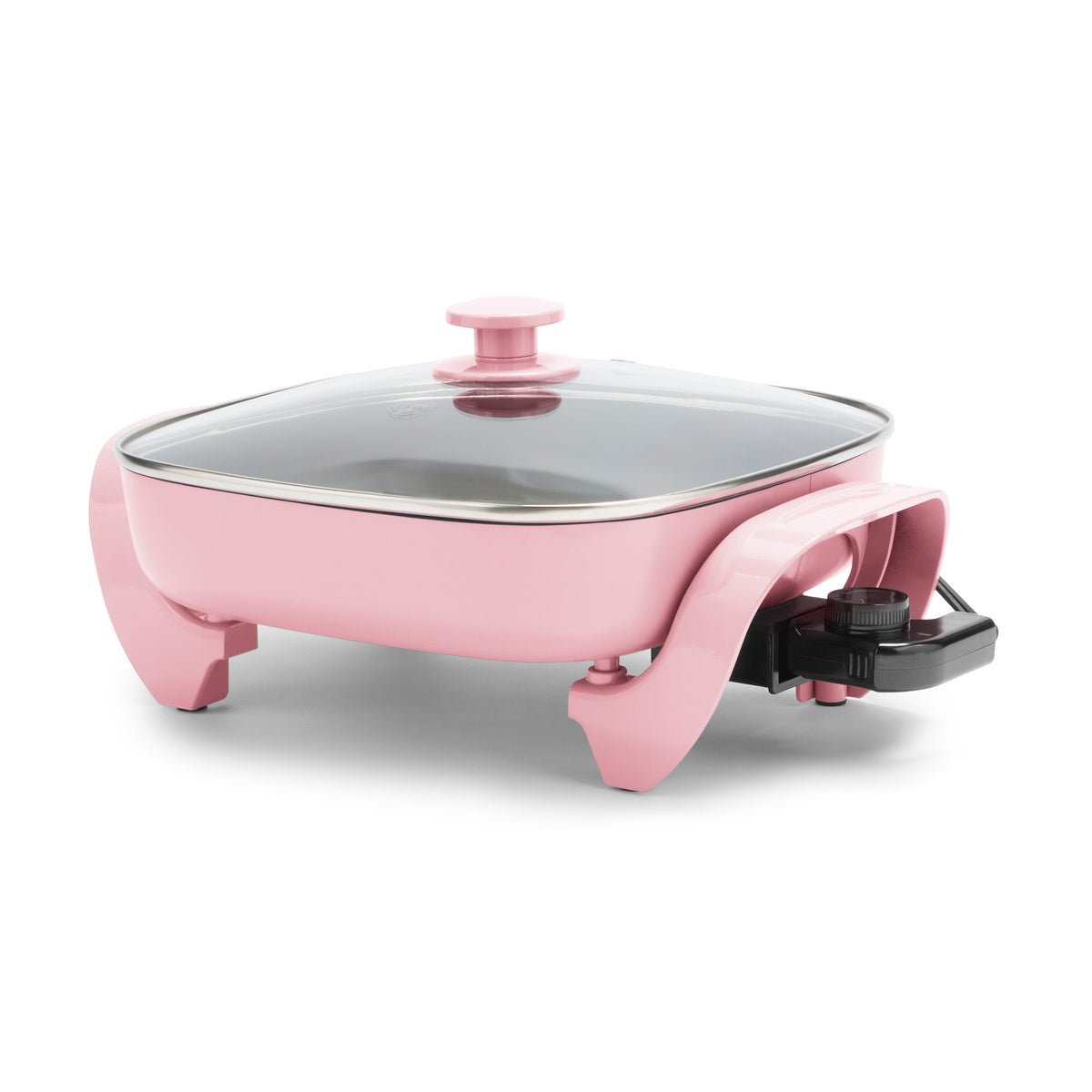
An electric skillet is a flat, rectangular or round pan with a built-in heating element. You plug it into the wall, set your temperature, and the skillet heats up. Most models have a glass lid and a temperature dial. Unlike a stovetop pan, the skillet keeps the heat even across the cooking surface. This helps prevent burning in one spot and undercooking in another.
The heat comes from coils beneath the pan, and the sides are usually shallow. Most electric skillets range from 250°F to 450°F (120°C to 230°C), which is enough for frying, simmering, and even baking. But there are key differences between how a skillet and a traditional oven heat food.
Oven Vs Electric Skillet: Key Differences
To decide if an electric skillet can act as an oven, it helps to compare the two. This table highlights important differences:
| Feature | Electric Skillet | Oven |
|---|---|---|
| Heat Source | Bottom coil | Top, bottom, and sometimes sides |
| Air Circulation | Limited (lid traps steam) | Excellent (dry, circulating air) |
| Temperature Range | 250°F to 450°F | 150°F to 550°F |
| Size | Small-medium | Medium-large |
| Moisture Control | Keeps moisture in | Dries food for crispiness |
| Best for | Frying, sautéing, simmering | Baking, roasting, broiling |
The biggest takeaway is that an oven heats food with dry, circulating air. This helps achieve crispy textures and even baking, especially for bread, cookies, or pizza. An electric skillet heats mainly from the bottom and traps more moisture. This is better for dishes that benefit from steam, like casseroles or cakes.

Credit: www.amazon.com
What You Can Bake Or Cook In An Electric Skillet
It may surprise you, but you can bake a variety of foods in an electric skillet. The secret is using the skillet’s consistent heat and lid to create an oven-like environment. Here are some foods you can make:
- Cakes and brownies: Use a round or square baking pan that fits inside the skillet. Pour in batter, cover with the lid, and bake. The result is moist, evenly cooked cake, though the top may not brown as much as in an oven.
- Biscuits and scones: Place the dough directly on the skillet or on parchment paper. Flip halfway for even browning, or cover and steam for a softer result.
- Casseroles and lasagna: Assemble in a smaller pan, cover, and “bake” by simmering gently.
- Pizza: Use a prepared dough, add toppings, and cook with the lid on. The crust will be softer, more like pan pizza.
- Bread: Small loaves or flatbreads can be made, but the crust will lack the crunch of oven-baked bread.
Many people use electric skillets for “baking” in dorm rooms, hotel rooms, or during power outages. However, you need to adjust recipes for the more humid, less dry environment.
How To Use An Electric Skillet As An Oven
You can mimic the effect of an oven with a few tricks:
1. Use A Baking Pan Or Rack
Never pour batter or dough directly into the skillet unless the recipe calls for it. Instead, place a metal rack or trivet in the skillet, then set your baking pan on top. This keeps the pan off the direct heat and prevents burning. If you don’t have a rack, balled-up foil can work.
2. Preheat The Skillet
Just like an oven, preheat your electric skillet for about 10 minutes before placing your food inside. This ensures even cooking.
3. Cover Tightly
The lid traps heat and steam, helping food cook through. For recipes that need dry heat, crack the lid slightly to let moisture escape.
4. Adjust Time And Temperature
Foods often bake faster in an electric skillet because of the steam and even bottom heat. Check 5-10 minutes before the recipe’s suggested time.
5. Rotate Or Flip
If the top isn’t browning, you may want to carefully flip cakes or breads halfway through, or use a broiler (if available) to finish.
Here’s a simple overview:
| Step | What to Do | Why It Matters |
|---|---|---|
| 1 | Insert rack/foil balls | Prevents direct burning |
| 2 | Preheat skillet (10 min) | Ensures even cooking |
| 3 | Place pan inside, cover | Traps heat like an oven |
| 4 | Check doneness early | Food cooks faster in steam |
| 5 | Rotate or flip if needed | Even browning |

Credit: www.youtube.com
What Electric Skillets Can’t Do
While electric skillets are versatile, they have limits:
- No top-down heat: Most skillets can’t broil or brown the top of casseroles or pies.
- Limited crispiness: Oven-baked foods often have a crispy crust. Skillet baking keeps food moist, which can make things softer.
- Size constraints: You can’t bake a large turkey or big batch of cookies. Most skillets fit an 8- or 9-inch pan.
- No convection: Air doesn’t circulate as well, so foods may cook unevenly if packed too tight.
Another challenge is temperature accuracy. Some electric skillet dials are less precise than oven thermostats. It’s wise to use an oven thermometer to check if the actual temperature matches the dial setting.
Real-life Examples: Successes And Surprises
People have used electric skillets for years in creative ways. For example, a college student baked a chocolate cake in her dorm by using a foil “oven” inside her skillet. Traveling chefs often prepare frittatas and even cornbread for camping groups. In the 1970s, electric skillet recipe books were popular for making everything from meatloaf to apple crisp.
But it’s not always perfect. If you try to bake cookies directly on the skillet surface, they may burn before cooking through. Foods that depend on dry heat, like meringues or puff pastry, won’t work well. Still, for moist cakes, quick breads, or reheating leftovers, the skillet is surprisingly effective.
Safety Tips When Using An Electric Skillet As An Oven
Whenever you use appliances in new ways, safety matters. Here are some tips:
- Watch the cord: Make sure the cord doesn’t hang over the counter or touch hot surfaces.
- Don’t overload: Never fill the skillet higher than the manufacturer’s line.
- Use oven mitts: The lid and sides get very hot.
- Allow for steam: Open the lid away from you to avoid burns.
- Check wattage: Most electric skillets use 1000-1500 watts. Make sure your outlet can handle it, especially in older homes or RVs.
A non-obvious tip: If you line the inside with foil for easy cleanup, don’t let the foil touch the heating element. This could cause uneven heating or even a short circuit.
Electric Skillet Vs Other Countertop Ovens
Is an electric skillet the best substitute for an oven? It depends on your needs. Here’s a comparison of popular countertop cooking appliances:
| Appliance | Best For | Limitations |
|---|---|---|
| Electric Skillet | Frying, baking cakes, casseroles | No top browning, small size |
| Toaster Oven | Baking, toasting, broiling | Limited space, not for soups |
| Air Fryer | Crispy foods, quick baking | Small basket, not for liquid dishes |
| Slow Cooker | Stews, braises, moist cakes | No browning, slow cook time |
| Microwave | Reheating, some cakes | Texture issues, uneven cooking |
Non-obvious insight: If you want crispy results (like pizza or cookies), a toaster oven or air fryer may be a better choice. But for moist cakes or casseroles, the electric skillet is a strong contender.
Adjusting Recipes For Skillet “baking”
When using an electric skillet as an oven, recipes may need changes:
- Reduce liquids: Because less moisture escapes, cut down on water or milk by 10-15%.
- Lower temperature: If a recipe calls for 350°F, try 325°F in the skillet to avoid burning the bottom.
- Check early: Foods often finish faster. Start checking doneness 10 minutes before the recipe says.
- Use parchment or foil: This prevents sticking and makes cleanup easier.
- Smaller batches: Divide large recipes into smaller pans to fit the skillet.
One practical example: If you’re baking banana bread that calls for 1 cup of milk, use ⅞ cup instead. Place the batter in a smaller pan, set on a rack, and cover tightly.
When An Electric Skillet Is Better Than An Oven
There are times when an electric skillet is the ideal tool:
- Hot weather: Keeps the kitchen cooler than an oven.
- Traveling: Works in hotel rooms or RVs with limited space.
- Energy savings: Uses less electricity than a full-size oven.
- Quick meals: Heats up faster for small batches.
- No oven available: Great for students or renters without a kitchen.
In fact, many college students and tiny home owners use electric skillets for most of their cooking. The compact size, fast heating, and easy cleanup are big advantages.
Credit: www.greenpan.us
Common Mistakes And How To Avoid Them
Beginners often make these errors:
- Cooking without a rack: Direct contact with the hot surface can burn baked goods.
- Overfilling the skillet: This can cause uneven cooking and spills.
- Ignoring the lid: Leaving it off dries out food and slows cooking.
- Not checking temperature: Skillets can run hotter than the dial says.
- Trying crisp recipes: Foods that need dry, circulating air (like cookies) may disappoint.
A non-obvious tip: For even baking, rotate your baking pan halfway through if your skillet heats unevenly.
Final Thoughts
So, can an electric skillet be used as an oven? The answer is yes, for many recipes—especially moist cakes, casseroles, and small breads. The results may be softer and less crispy than oven-baked foods, but for many people, this is a small trade-off for convenience and energy savings. By using a rack, adjusting recipes, and keeping safety in mind, you can turn your electric skillet into a mini oven. For those with limited kitchen space, or who need a backup when the oven is full, the electric skillet is a surprisingly versatile tool.
For more information on electric skillet cooking, you can check out this Wikipedia article.
Frequently Asked Questions
Can I Bake Cookies In An Electric Skillet?
You can try, but cookies often turn out soft rather than crispy. If you do, use a rack and a small pan to avoid burning the bottoms. For best results, stick to recipes for “chewy” or cake-like cookies.
How Do I Know If My Electric Skillet Is Hot Enough For Baking?
Use an oven thermometer placed inside the skillet to check the actual temperature. Many skillet dials are not accurate. Preheat for 10 minutes and test before adding food.
Is It Safe To Leave An Electric Skillet Unattended While “baking”?
No. Because of the risk of overheating, burns, or fire, you should stay nearby and check often—especially if adapting recipes.
Can I Use Aluminum Foil In An Electric Skillet?
Yes, but don’t let the foil touch the heating element. Use foil to line pans or make a rack, but always keep it above the coils.
What Foods Should I Avoid “baking” In An Electric Skillet?
Avoid foods needing dry, circulating air or high top heat, like meringues, soufflés, or puff pastry. These won’t rise or crisp properly in a skillet environment.