Skip to content
Making gelato at home feels like bringing a piece of Italy into your kitchen. But many home cooks wonder if they need a special machine, or if their regular ice cream maker can do the job. The answer is not only “yes”—it’s easier and more rewarding than you might think. Understanding the differences, adjusting your method, and knowing a few secrets can turn your everyday ice cream maker into a gelato powerhouse. Let’s explore how you can achieve creamy, smooth gelato without professional equipment.
What Makes Gelato Different From Ice Cream?
Before you start, it helps to know what sets gelato apart from traditional ice cream. Both are frozen desserts, but the Italian classic has a few unique qualities:
- Lower fat content: Gelato is usually made with more milk and less cream, giving it a lighter texture.
- Less air (overrun): It’s churned slowly, so less air is whipped in. This makes gelato denser and more flavorful.
- Served warmer: Gelato is typically kept at a slightly higher temperature, making it softer and more intense in taste.
In numbers: while American ice cream can have up to 25% fat and 100% overrun (doubling in volume from air), gelato often has 4–8% fat and about 20–30% overrun.
Can You Really Make Gelato In An Ice Cream Maker?
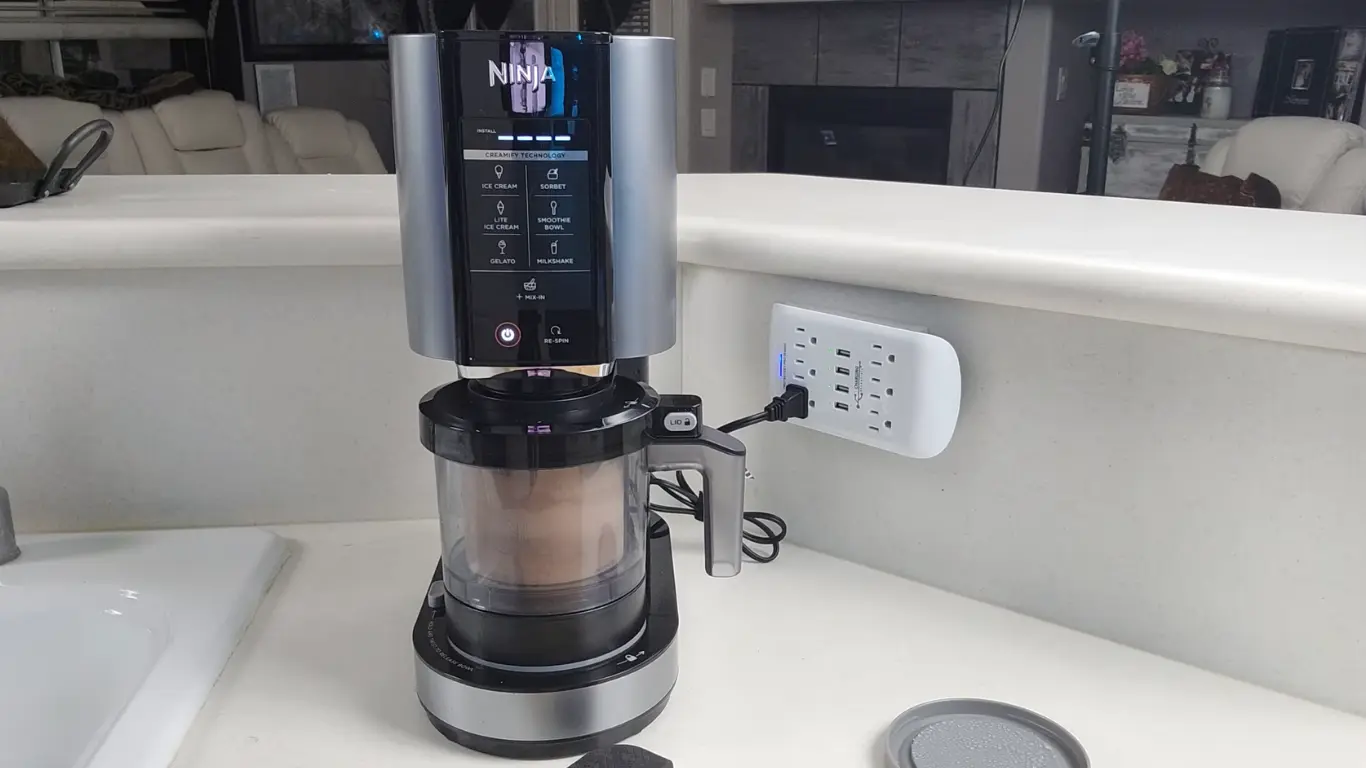
The short answer is yes. Most home ice cream makers—whether electric, manual, or compressor models—can be used to make gelato. The key is adapting your recipe and churning process to get the best texture and flavor.
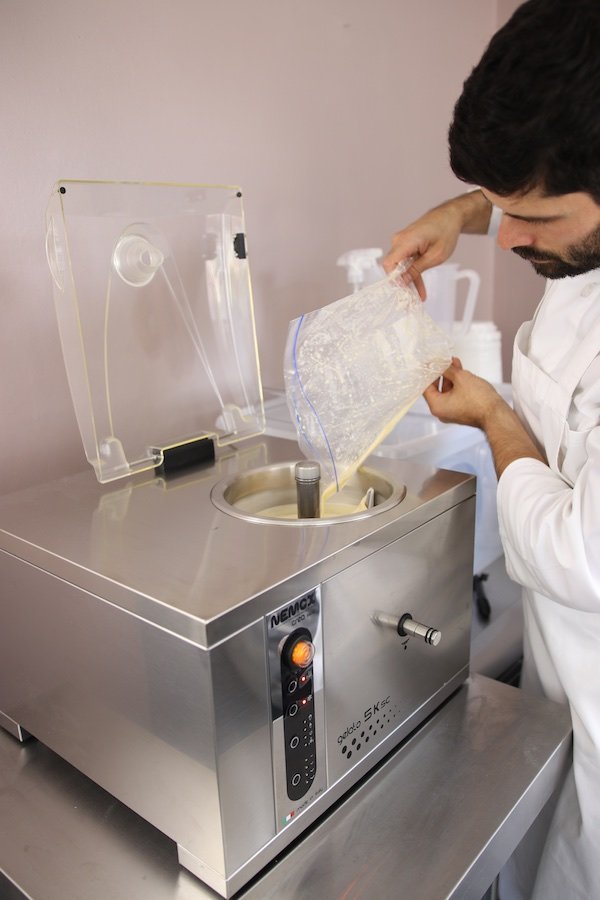
Many Italian gelaterias use professional machines that control temperature and speed, but you don’t need those for excellent results. Even basic models can make gelato that’s rich, smooth, and authentic.
Credit: www.icecreamscience.com
Key Adjustments For Great Gelato
To get the real gelato experience from a regular ice cream maker, you’ll need to:
- Adjust the ingredients
- Change the churning process
- Store and serve correctly
Let’s break down each part.
1. Ingredient Changes
Traditional gelato recipes focus on fresh ingredients and a lower fat mix. Here’s what to keep in mind:
- Use more milk than cream: Try a ratio of 2 parts whole milk to 1 part cream.
- Egg yolks: Some recipes use them for richness, but many fruit gelatos skip eggs altogether.
- Less sugar: Gelato is slightly less sweet than ice cream.
- Flavorings: Go for natural flavors—like real fruit, cocoa, or nuts—for a true gelato taste.
Example Gelato Base Recipe
For most flavors, this simple base works well in a home ice cream maker:
- 2 cups whole milk
- 1 cup heavy cream
- 3/4 cup sugar
- 4 egg yolks (optional, for extra creaminess)
- 1 teaspoon vanilla extract
This makes about 1 quart (serves 4–6).
Pro Tip:
If you want a fruit gelato, replace the cream with more milk, and add 1–2 cups of pureed fruit.
2. Churning Process
Gelato is churned slower than ice cream. Home machines may not let you change speed, but you can:
- Churn in short bursts: Let the machine run for 20 minutes, then pause for 2–3 minutes, then resume. This mimics slower churning and reduces air.
- Stop when thick but not frozen solid: Gelato should be creamy, not icy or hard.
- Don’t over-churn: Too much time makes the gelato grainy.
Table: Churning Comparison
Here’s how the process compares between professional gelato, home gelato, and ice cream:
| Type | Churning Speed | Overrun (Air %) | Texture |
|---|---|---|---|
| Professional Gelato | Slow | 20–30% | Dense, creamy |
| Home Ice Cream Maker (Gelato) | Medium | 25–35% | Soft, slightly dense |
| Home Ice Cream Maker (Ice Cream) | Fast | 50–100% | Light, airy |
3. Storing And Serving
After churning, gelato needs proper storage:
- Use a shallow container: This helps it freeze evenly.
- Cover with plastic wrap: Place it directly on the surface to prevent ice crystals.
- Serve at 10–15°F (-12 to -9°C): Take gelato out of the freezer 10 minutes before serving. This brings it to the right, scoopable consistency.
Table: Ideal Storage And Serving Temperatures
| Dessert | Storage Temp (°F) | Serving Temp (°F) |
|---|---|---|
| Gelato | 0–10 | 10–15 |
| Ice Cream | -10–0 | 0–5 |
Step-by-step: Making Gelato In Your Ice Cream Maker
Let’s walk through a basic method that works for most home machines.
- Make the base: Whisk milk, cream, and sugar together. Heat gently and add egg yolks if using. Stir until thickened but not boiling. Cool completely (chill in the fridge for 4 hours or overnight).
- Add flavor: Mix in vanilla, chocolate, fruit, or other ingredients.
- Churn: Pour the base into your ice cream maker. Use the “burst” method or just churn until the gelato looks thick, silky, and barely holds its shape.
- Freeze: Scoop into a shallow container, cover, and freeze for 2–4 hours.
- Serve: Let it soften slightly on the counter, then enjoy!
Common Mistakes To Avoid
Many beginners make small errors that change the final texture:
- Not chilling the base: Warm mix leads to icy gelato.
- Over-churning: Makes it grainy and heavy.
- Wrong fat ratio: Too much cream = ice cream, not gelato.
- Freezing too hard: Serve before it becomes rock solid.
:max_bytes(150000):strip_icc()/sea-ice-cream-makers-test-cuisinart-ice-100-compressor-gelato-rkilgore-076-5a663530ee594d958d41b3276eddab41.jpeg)
Credit: www.seriouseats.com
Extra Tips For Success
Making great gelato is simple, but these advanced tips will help you stand out:
- Add a small amount of skim milk powder: About 2 tablespoons per quart. This improves texture and creaminess.
- Use invert sugar or corn syrup: Replacing 2 tablespoons of sugar with these helps stop ice crystals.
- Blend fruit purees well: Strain seeds for a smoother fruit gelato.
- Don’t overdo add-ins: Nuts, chocolate chips, or fruit chunks are best added at the end and in small amounts.
Special Gelato Flavors To Try
Traditional Italian gelato isn’t just vanilla or chocolate. Here are some ideas:
- Stracciatella: Add melted dark chocolate in a thin stream during the last minute of churning. It hardens into crisp chocolate flakes.
- Pistachio: Use pure pistachio paste for a nutty, green, aromatic flavor.
- Lemon: Mix in zest and juice for a tangy, refreshing treat.
- Hazelnut (Nocciola): Toast hazelnuts and blend into a paste, then add to the base.
- Coffee: Dissolve instant espresso or strong brewed coffee into the milk for a deep, rich taste.
Each of these flavors works in a standard ice cream maker with only minor adjustments. The secret is using high-quality, fresh ingredients—the Italian way.
Gelato Vs. Ice Cream: Why Texture And Temperature Matter
Many people notice that gelato tastes more intense than ice cream. This is due to both its lower fat and higher serving temperature. Less fat means flavors come through more clearly. Serving slightly warmer allows the gelato to melt quickly in your mouth, releasing aroma and taste faster.
The denser texture also means you eat it more slowly, savoring every bite. In fact, surveys from Italian gelaterias show that customers say gelato feels “more satisfying” and “less heavy” than American ice cream.
Can You Use Every Ice Cream Maker?
Most home machines will work, but the results can vary based on type:
- Freezer bowl models: Chill the bowl overnight, then churn as normal.
- Compressor machines: These work best, as they let you control time and temperature.
- Manual crank machines: These need more effort but can produce excellent gelato if you churn slowly and steadily.
A rare exception: some very fast, high-overrun machines may make the gelato too airy. If this happens, try stopping the churn earlier.
Cost And Convenience
Buying a separate gelato machine is expensive and takes up extra space. Using your current ice cream maker saves money and lets you experiment more. Ingredients for homemade gelato are also affordable—usually less than $5 per quart, much cheaper than store-bought or gelateria prices.
Cleaning And Maintenance
Gelato is stickier than ice cream, so clean your machine carefully:
- Rinse moving parts right after use.
- Wash with warm, soapy water to remove fats and sugars.
- Dry thoroughly before storing to prevent odors or mold.
Nutritional Differences
If you care about calories and fat, gelato is often the lighter choice. A typical 1/2-cup serving of vanilla gelato has about 90–120 calories and 4–6 grams of fat, compared to 150–200 calories and 7–14 grams of fat for the same amount of premium ice cream.
When Is A Gelato Maker Worth It?
If you make gelato weekly and want perfect control over speed and temperature, a dedicated gelato maker might be worth the investment. But for most people, a regular ice cream maker does the job well—especially with the adjustments above.

Credit: www.recipesfromitaly.com
Further Reading
If you want to dive deeper into the science of frozen desserts, check out this Wikipedia article on gelato for more history and technical details.
Frequently Asked Questions
How Is Gelato Different From Ice Cream?
Gelato uses more milk, less cream, and less air than ice cream. This gives it a denser, smoother, and more flavorful texture. It’s also served at a warmer temperature.
Do I Need To Change My Ice Cream Maker For Gelato?
No. Most home ice cream makers work fine for gelato. Just adjust your recipe and churning process for best results.
Why Does My Gelato Turn Out Icy?
This happens if the base isn’t chilled enough, too much water is in the mix, or you don’t add enough sugar. Use a well-chilled base and follow ingredient ratios closely.
Can I Make Vegan Gelato In An Ice Cream Maker?
Yes. Use almond, coconut, or oat milk instead of dairy. Use cornstarch or a small amount of plant-based fat for creaminess. Results will be a bit different, but still tasty.
How Long Does Homemade Gelato Last In The Freezer?
Homemade gelato is best eaten within 3–5 days. After that, it may get icy or lose flavor because it doesn’t have commercial stabilizers.
Bringing gelato to your kitchen is about technique, not expensive gadgets. With a few smart changes to your recipe and process, your ice cream maker can deliver an authentic, creamy Italian treat anytime you want. Enjoy experimenting and discovering your favorite flavors!