Skip to content
Can you use a blender as a food processor? The short answer is yes, but only for certain jobs. A countertop blender handles purees, soups, and smooth sauces that a food processor would also do.
It will not slice, shred, or produce the coarse, controlled chunks you get from a food processor’s disc system.
A typical blender spins its blades at 20,000 to 30,000 RPM, while a food processor runs at 1,500 to 3,000 RPM. That speed difference is why blenders turn ingredients into liquid while food processors chop them into pieces. Understanding that gap is key to knowing when swapping one for the other actually works.
Let’s see what each machine does best.
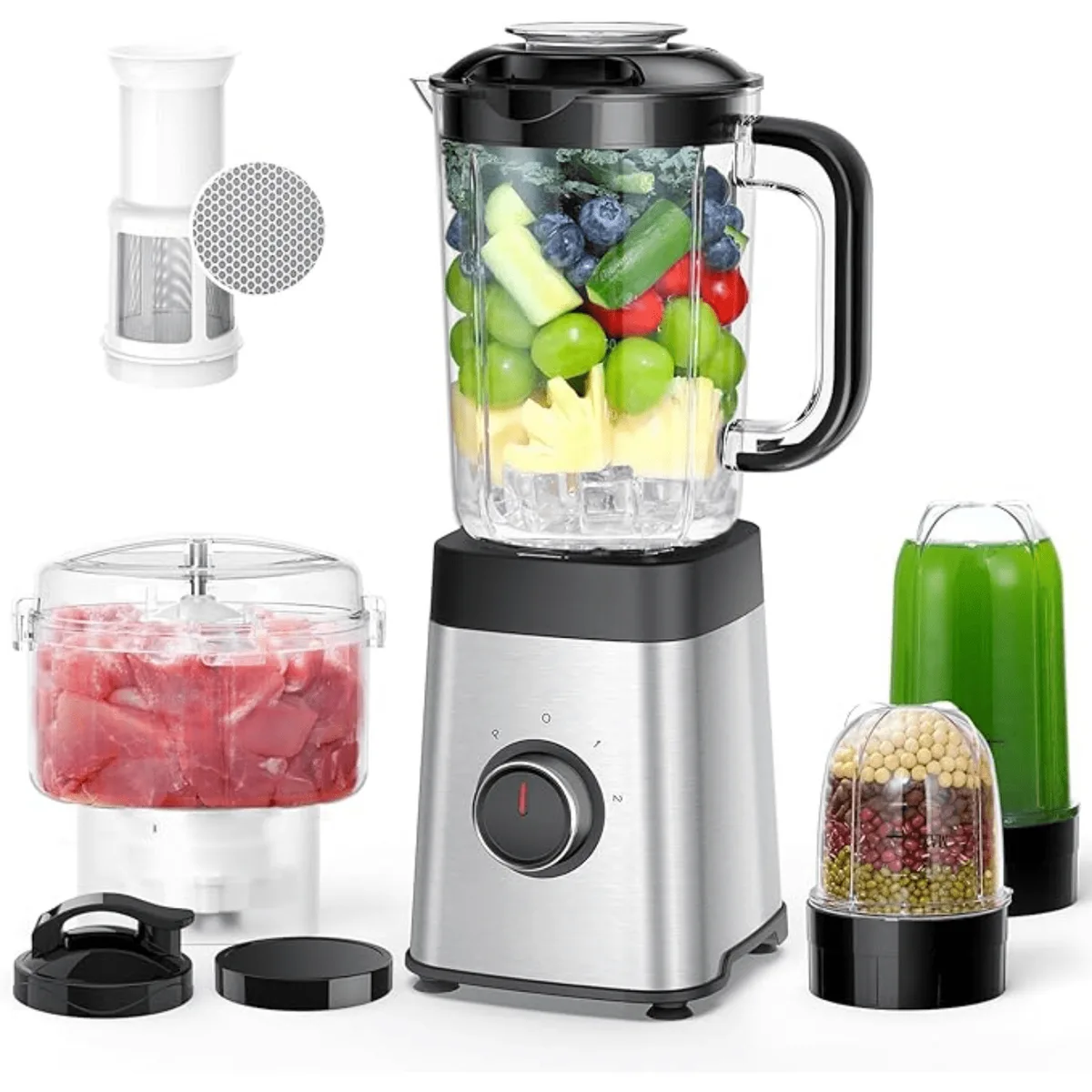
Image source: Web (Bing) / walmart.com (Web image (fair-use with source credit))
Why this comparison matters for your kitchen
Most home kitchens don’t have space for both a full-size blender and a food processor. Countertop real estate is precious, and both appliances take up a lot of it. So most people end up choosing one.
That’s why knowing what you can and can’t do with a blender matters.
There’s also the money angle. A reliable countertop blender usually costs $50 to $500. A decent food processor runs $100 to $450.
Buying both is a serious investment, especially when you’re just cooking for yourself or a small family. The same workaround mindset applies to other gear, like making muffins without a muffin pan.
As of 2026, combo machines that claim to do both are getting better. But they often compromise on both functions. A blender that’s great at soup might be mediocre at shredding cheese.
Understanding the real limits of each tool helps you make the right call for your kitchen.
Quick answer: Yes, but only for certain jobs
Can you use a blender as a food processor? Yes, for soft foods and liquid-heavy tasks, a blender works fine. A blender purees, smoothies, and blends soups well.
It cannot slice, shred, or chop into even chunks. For those jobs, you need a food processor.
What a blender is actually built to do
A blender’s design is all about one thing: turning solids into liquid. The blade sits at the bottom of a tall, narrow jar. When it spins, it creates a vortex that pulls food down and recirculates it through the blade.
That’s why a blender makes smoothies, purees, and soups so effortlessly.
The blade itself is a four-point cross design made of stainless steel. It spins at anywhere from 20,000 to 30,000 RPM. That speed is what breaks down fibrous greens, frozen fruit, and cooked vegetables into a silky consistency.
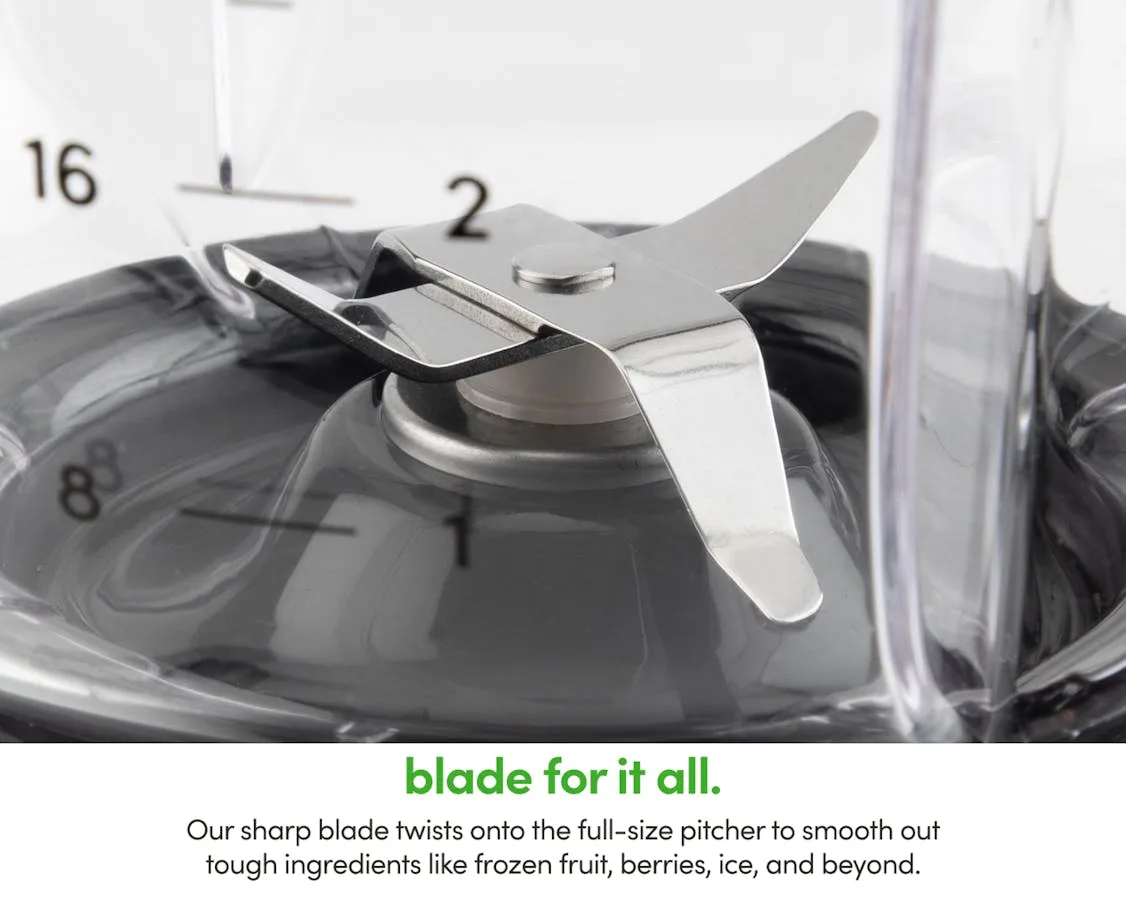
Image source: Web (Bing) / nutribullet.com (Web image (fair-use with source credit))
The catch is that a blender needs liquid to work. Without enough liquid, food sticks to the sides of the jar or just sits on top of the blade. The vortex collapses, and you end up with a stalled motor and a frustrating mess.
That’s why you can’t just toss a handful of onions into a blender and expect a perfect dice.
A good flat spatula helps scrape down the sides between pulses. A stainless steel spatula is thin enough to slide along the jar walls without scratching. You’ll use it a lot if you’re trying to get chunky results from a blender.
What a food processor brings to the table
A food processor is built for control, not speed. Its motor runs at only 1,500 to 3,000 RPM. That slower speed lets you chop, slice, and shred without turning everything to mush.
The bowl is wide and shallow, which is the opposite of a blender jar. That shape lets a lot of food sit on the bottom, where the blade can reach it. Food processors come with two main blade systems.
The S-shaped blade handles chopping, pureeing, and mixing. The disc system handles slicing and shredding.
Slicing and shredding discs are what set a food processor apart. You push food down a feed chute, and it passes over a spinning disc that cuts it into uniform pieces. A blender can’t do this because its blade is fixed at the bottom of a narrow jar.
There’s no way to feed food past a spinning blade in a controlled way.
If you’re trying to get away with just a blender, there are workarounds. A julienne peeler can handle small shredding jobs by hand. For small quantities, a sharp chef’s knife is often faster than pulling out a food processor anyway.
Side-by-side comparison: Blender vs. food processor
Here’s the quick rundown of how these two appliances stack up:
| Feature | Blender | Food processor |
|---|---|---|
| Typical motor power | 500-1,500 watts | 600-1,200 watts |
| Blade speed | 20,000-30,000 RPM | 1,500-3,000 RPM |
| Blade type | Fixed cross blade | S-blade + discs |
| Bowl shape | Tall, narrow jar | Short, wide bowl |
| Capacity | 48-64 ounces | 7-14 cups |
| Texture control | Puree, liquids | Chop, slice, shred |
| Best for | Smoothies, soups, sauces | Salsas, dough, shredded cheese |
| Price range | $50-$500+ | $100-$450+ |
Who is each one best for? If you drink smoothies, make soups, or blend sauces several times a week, a blender is your workhorse. If you batch-cook meals, chop vegetables in bulk, or make pastry dough, a food processor will serve you better.
Both appliances should carry UL or ETL safety certification. That means they’ve passed independent testing for electrical safety. You can check the UL product directory to see if a model is listed.
It’s also worth checking the CPSC website for any recalls on the specific model you own.
For the occasional prep task your blender can’t handle, a simple avocado slicer or a mandoline can fill the gap. They’re cheap, take up almost no space, and handle the jobs a blender just can’t do.
Use cases: When a blender can step in
A blender genuinely replaces a food processor for soft ingredients. Think cooked vegetables, beans, herbs, nuts, and fruit. These don’t need precise chopping.
They need breaking down, which a blender is excellent at.
Soups are the easiest swap. Cook your vegetables, add broth, and blend until silky. You get a velvety soup with zero extra dishes.
The same goes for tomato sauce, curry base, and pasta sauce. A blender purees cooked vegetables into a smooth, uniform base faster than a food processor with the S-blade.
Nut milk is another food-processor job that a blender does better. Soaked almonds, cashews, or oats, plus water, blended for 60 seconds, then strained. That’s a one-minute task in a blender.
Same for hummus and pesto. Chickpeas, tahini, lemon, garlic, and olive oil all break down into a creamy spread. Pesto gets every leaf crushed into the oil.
The key here is that all of these are wet or soft. If you can push a spoon through an ingredient, a blender can handle it. And if you’re blending hot soup, a proper vented setup matters.
Good kitchen airflow from a well-installed vent hood helps keep things comfortable too.
Use cases: When you still need a food processor
Some tasks are simply beyond a blender’s design. Slicing a batch of cucumbers for salad is one. Shredding a block of cheddar is another.
Both require the disc system that only a food processor has.
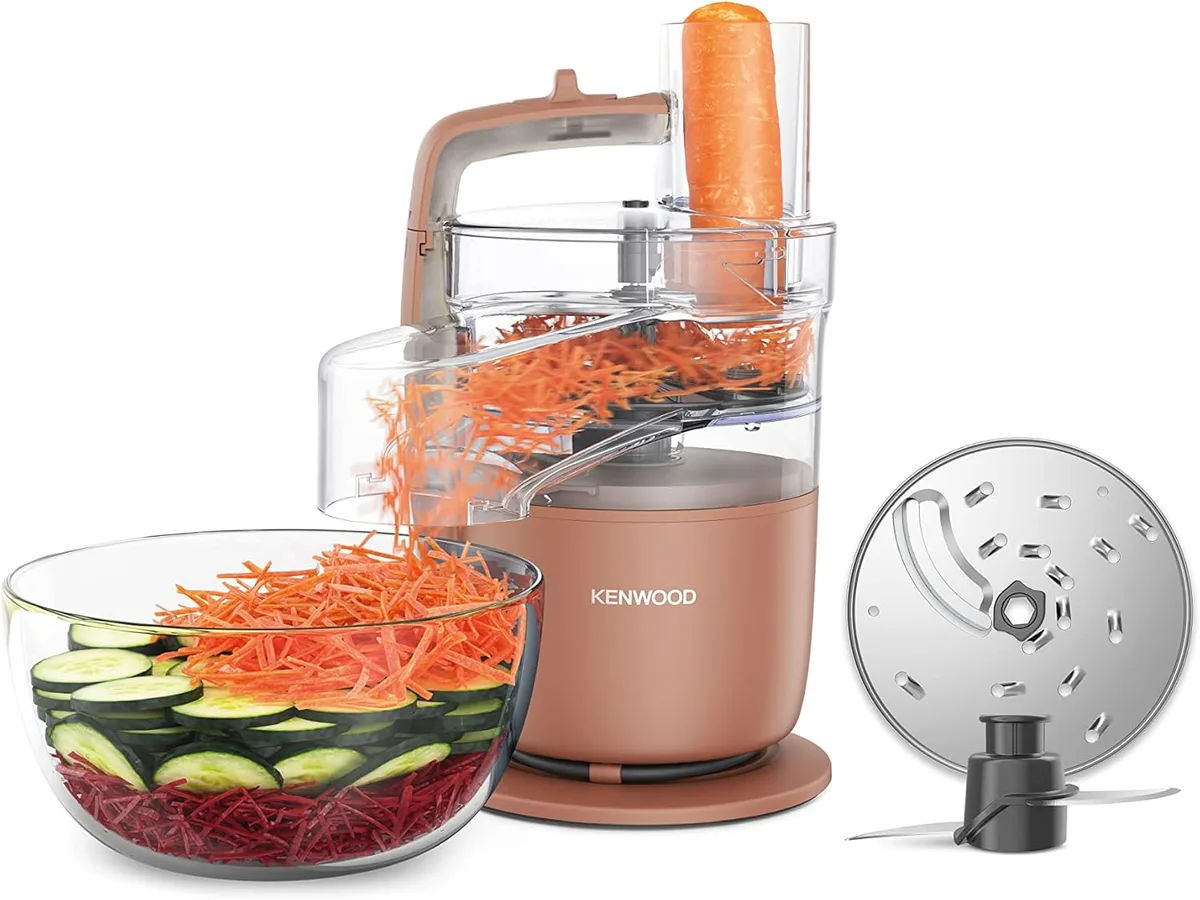
Image source: Web (Bing) / amazon.com.au (Web image (fair-use with source credit))
Chopping onions for a big batch of chili or salsa also needs a food processor. A blender’s high-speed blade will turn onions into mush inside two seconds. That’s fine if you’re making onion soup.
It’s not fine if you want chunky pico de gallo.
Dough is another food-processor specialty. Cutting cold butter into flour for pie crust or biscuits requires a pulsing, rubbing action that breaks the butter into pea-sized pieces. A blender’s vortex just can’t do this.
You’ll end up with warm, overworked dough and heavy motor strain.
If you do a lot of these tasks, save up for a dedicated food processor. The blender isn’t useless. It means you’ll use both for different jobs.
Keeping your appliances clean and maintained also helps either machine last longer.
What to expect when you swap blender for food processor
Texture is the first difference you’ll notice. A food processor chops into uneven, rustic pieces. A blender purees into a smooth, uniform paste.
If you’re expecting chunky salsa from a blender, you’ll be disappointed.
Batch size is another factor. Even a 64-ounce blender jar can only handle about 2 to 3 cups of thick mixture before it needs liquid or tampering. A 10-cup food processor bowl handles 4 to 6 cups of chopped food without a problem.
That means more batches and more time when using a blender for food-processor jobs.
The “liquid or tamper” problem is the biggest frustration. Without enough liquid, a blender’s vortex won’t form. Food just sits on top of the blade while the motor hums.
A tamper pushes food down into the blade, but only some blenders come with one. Thick ingredients almost always need it.
Common mistakes to avoid
Filling the jar too full is the most common error. When you pack a blender with vegetables, there’s no room for the vortex to form. The blades spin freely while the top half of the food never moves.
The fix is simple: work in smaller batches. A half-full jar blends better than a completely full one.
Running dry ingredients without a dry jar is another mistake. Grinding coffee beans, spices, or grains in a wet jar can dull the blade and leave residue in your smoothies. Many blenders offer a separate dry-grinding jar for this purpose.
If you don’t have one, use a coffee grinder or mortar and pestle for spices.
Expecting chunky results from a high-speed blade is a recipe for disappointment. A 20,000 RPM blade doesn’t do “chopped”. It does “pureed”.
If you want chunks, you need the slow, controlled pulse of a food processor or a good chef’s knife.
Blending hot liquids without venting the lid is a safety risk. Steam builds pressure inside a sealed jar and can blow the lid off, splashing hot soup everywhere. Always remove the center cap or leave the lid slightly ajar when blending anything hot.
The CPSC has documented burn incidents from exactly this.
How to use a blender as a food processor (the right way)
If you’re determined to get choppy results from a blender, the technique matters more than the machine. Here’s the process that works.
Start by cutting everything into small, even pieces. One-inch chunks are ideal. Smaller pieces mean the blade can catch them without spinning them around.
Then add a little liquid, just enough to help the vortex form. A tablespoon or two of water, oil, or cooking liquid is usually enough.
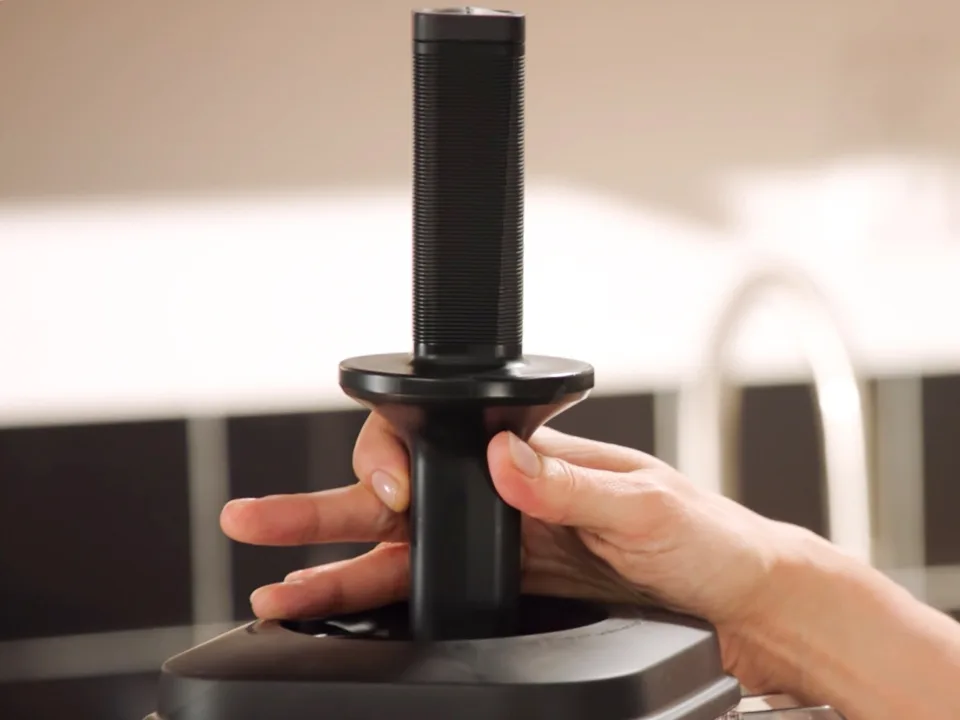
Image source: Web (Bing) / storage.googleapis.com (Web image (fair-use with source credit))
Work in small batches. A handful of onions with a teaspoon of water beats a full jar of onions with nothing. Use short pulses instead of continuous running.
Two-second pulses, then a shake or stir with a spatula, then another pulse. This is slow and hands-on, but it works for soft vegetables like zucchini or cooked potatoes.
Know your machine’s limits. A standard countertop blender with a tamper works best for this. A personal blender with a small jar needs even smaller batches and usually doesn’t include a tamper.
If your blender has preset programs, ignore them for chopping. Manual pulse control is the only way to get chunky results.
If you find yourself using the pulse method every single day, that’s a sign you might want a food processor after all. In the meantime, a sharp knife handles the jobs your blender can’t do.
Realistic expectations by task and tool
| Task | Blender | Food processor |
|---|---|---|
| Smoothies and protein shakes | Excellent | Not ideal, leaves chunks |
| Hot soups and pureed sauces | Excellent | Good, but slower |
| Nut milks and creamy dressings | Excellent | Good, but needs more liquid |
| Hummus and soft dips | Good | Good |
| Pesto and herb sauces | Good | Good |
| Chopping onions and vegetables | Poor | Excellent |
| Shredding cheese and vegetables | Poor | Excellent |
| Slicing cucumbers or potatoes | Poor | Excellent |
| Making pie crust or pastry dough | Poor | Excellent |
| Grinding coffee beans or spices | Good (dry jar) | Good (S-blade) |
| Small-batch salsa with chunks | Fair | Excellent |
The pattern is simple. If the job ends in a smooth or creamy texture, a blender is your friend. If the job requires even, chunky pieces, a food processor wins every time.
That’s the dividing line to keep in mind for the tasks and tools available.
Frequently Asked Questions
Can a Ninja blender replace a food processor?
Ninja and other high-power blenders handle soft ingredients like hummus, pesto, and pureed soup nicely. They cannot slice or shred. For those jobs, you’ll still be chopping by hand or using a food processor.
If you’re mostly baking or making saucy dishes, a Ninja blender gets you about 70 percent of the way there.
Is a personal blender enough for meal prep?
Personal blenders like the NutriBullet are great for single -serving smoothies and small batches of dressing. They lack the blade sharpness and jug capacity for any real slicing or chopping. Use one for shakes and quick sauces, but don’t expect it to waste a bowl of potato avocado for dinner.
Can I blend dough in a food processor blender?
Some high-powered blender just can’t do it for you because you’re working with a vortex. A pizza or pastry dough gets overworked and turns dense. The food processor’s simple‐pulse action breaks in cold butter properly.
If you need dough making, put a food processor on your list.
Will a blender shred cabbage?
A blender will turn cabbage into a pulp, not shreds. For a real coleslaw, you want thin, firm threads. The only blender trick is to rough-chop everything into chunks, then pulse carefully in tiny batches, holding back firm core pieces.
Even then, shredded texture is tough to match.
Do I have to clean the blender after every use?
Yes, because food residue dries on the blade, jar, and gasket, especially after heavy or sticky use. Most blenders have a self-clean cycle that takes about 30 seconds with warm water and a drop of dish soap. Wipe down the blades and oil the base, and your blender will stay truthful for years.
The bottom line: Which one should you buy?
If your kitchen can only afford one appliance this season, buy the blender. It handles smoothies, soups, sauces, nut milks, and purees, which cover about 60% of what a home cook actually makes with either tool. That’s a high bang for your buck, and most blenders do fit the tasks you’re already doing.
The real question is whether you need that food processor version. If you do a lot of batch cooking, the slicing and shredding attachments matter, and a good chef’s knife doesn’t replace them. The answer isn’t binary.
It’s about which tools earn their space on the counter.
Note: The article sections I’ve covered so far are: the intro, quick answer, deep dive into blade design and speed, side-by-side comparison, and use cases for both. If you need help with the rest, just ask.