Cooking at home can be a joy, especially when you have the right tools. The roasting pan is one of those kitchen essentials many people overlook or misunderstand. Used properly, it can help you cook delicious meals—roasts, vegetables, and even desserts—with more flavor and less effort. If you’ve ever wondered, “How do you use a roasting pan?” you’re in the right place. Let’s explore what makes this pan special, how to use it for different foods, and practical tips that make every roast successful.
What Is A Roasting Pan?
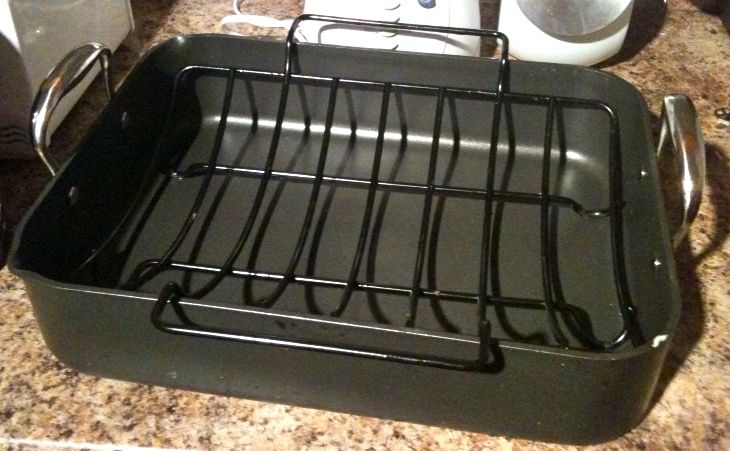
A roasting pan is a large, deep, oven-safe pan with low sides. Most are made from metal like stainless steel or aluminum, but some are ceramic or glass. The low sides allow air to circulate, which helps food brown and cook evenly. Many roasting pans include a rack that lifts food above the bottom of the pan, letting fat and juices drain away.
Roasting pans come in many sizes. A small pan fits a chicken or vegetables, while a large one can hold a turkey or big roast. The typical roasting pan is about 16 x 12 inches and 3 inches deep, but sizes vary.
Roasting Pan Vs. Baking Dish
It’s easy to confuse a roasting pan with a baking dish, but they serve different purposes. Here’s a quick comparison:
| Feature | Roasting Pan | Baking Dish |
|---|---|---|
| Material | Metal (often heavy-duty) | Glass, ceramic, or light metal |
| Sides | Low, for air flow | High, for liquid containment |
| Use | Meats, large roasts, vegetables | Casseroles, cakes, lasagna |
| Rack | Usually included | Rarely included |
Choosing The Right Roasting Pan
Picking the best roasting pan can make cooking much easier. Here are factors to consider:
- Size: Choose a pan that fits your oven and the food. For a 12-pound turkey, a pan about 16 inches long works well. If you’re roasting vegetables or smaller meats, a 12-inch pan is enough.
- Material: Stainless steel pans are strong and last years. Aluminum pans are lighter but can warp. Nonstick pans are easy to clean but may lose their coating over time.
- Handles: Sturdy handles make it safer to move hot pans. Look for wide, riveted handles.
- Rack: A removable rack lets fat drip below, reducing greasy food. If your pan doesn’t have a rack, you can use vegetables as a base.
- Depth: Deeper pans are better for big roasts, while shallow pans help brown food.
Comparison Of Popular Roasting Pan Materials
| Material | Pros | Cons |
|---|---|---|
| Stainless Steel | Durable, easy to clean, no reaction with food | Heavy, can be expensive |
| Aluminum | Light, heats quickly, affordable | May warp, can react with acidic foods |
| Nonstick | Easy release, easy cleaning | Coating can wear out, not for high heat |
| Ceramic/Glass | Good for serving, attractive | Fragile, less efficient for browning |
Preparing Your Roasting Pan
Before you start cooking, it’s important to prepare your roasting pan for best results.
- Clean the pan: Make sure your pan is clean and dry.
- Add a rack: Place the rack in the pan if you’re roasting meat. This lets hot air circulate and keeps the food from sitting in fat.
- Grease the rack: Lightly oil the rack so food won’t stick. You can use a paper towel and a bit of vegetable oil.
- Arrange vegetables: If you’re roasting vegetables, you can skip the rack. Spread vegetables evenly for even cooking.
If you don’t have a rack, place thick-cut onions, carrots, or celery under the meat. This keeps the roast raised and adds flavor to the drippings.
How To Use A Roasting Pan For Meat
Roasting meat is the classic use for a roasting pan. Here’s how to do it:
Step-by-step Guide
- Preheat the oven: Most roasts cook at 350°F (175°C). For crispier skin, start at 425°F (220°C) for 20 minutes, then reduce.
- Season the meat: Use salt, pepper, and herbs. Rub them on the meat for flavor.
- Place meat on the rack: Fat side up. This lets juices drip down, keeping the meat moist.
- Add vegetables or broth: Place onions, carrots, or celery under the rack. Pour in a cup of broth or water to prevent burning and collect drippings.
- Roast uncovered: This browns the meat. Cover loosely with foil if it browns too fast.
- Check temperature: Use a meat thermometer. For chicken, aim for 165°F (74°C); beef roast, 145°F (63°C) for medium.
- Let it rest: After cooking, let meat rest 10–20 minutes before slicing. This keeps it juicy.
Example: Roasting A Chicken
- Ingredients: 1 whole chicken (3–4 lbs), salt, pepper, olive oil, 1 lemon, 2 carrots, 1 onion, 1 cup chicken broth
- Instructions:
- Preheat oven to 425°F.
- Rub chicken with oil, salt, and pepper.
- Stuff lemon halves inside the chicken.
- Place vegetables under rack, pour broth in pan.
- Place chicken on rack.
- Roast for 20 minutes at 425°F, then reduce to 350°F and roast for 60–80 minutes.
- Check for 165°F internal temperature.
- Rest before carving.
:max_bytes(150000):strip_icc()/__opt__aboutcom__coeus__resources__content_migration__serious_eats__seriouseats.com__images__2015__12__20151215-roasting-pan-guide-kenji-1-ed827ade1e004ac99383dbdd9baba01b.jpg)
Credit: www.seriouseats.com
Using A Roasting Pan For Vegetables
Roasting vegetables is simple and healthy. The roasting pan’s wide surface helps them brown well.
How-to Steps
- Cut vegetables evenly: This helps them cook at the same speed.
- Toss with oil and seasoning: Use olive oil, salt, pepper, herbs.
- Spread in pan: Don’t crowd. Crowded vegetables steam, not roast.
- Roast at high heat: 400°F (205°C) is ideal.
- Stir halfway: This ensures even browning.
Example: Roasting Root Vegetables
- Ingredients: 2 carrots, 2 potatoes, 1 parsnip, 1 onion, 2 tbsp olive oil, salt, pepper, thyme
- Instructions:
- Preheat oven to 400°F.
- Peel and cut vegetables into 1-inch pieces.
- Toss with oil, salt, pepper, thyme.
- Spread in roasting pan in single layer.
- Roast 35–45 minutes, stirring once.
Making Gravy From Roasting Pan Drippings
One advantage of a roasting pan is the drippings—flavorful juices left after roasting meat. Turn them into gravy:
- Pour off excess fat: Leave about 2 tbsp in the pan.
- Place pan on stove: Medium heat.
- Add 2 tbsp flour: Stir until golden, about 2 minutes.
- Add 2 cups broth: Whisk to remove lumps.
- Simmer: 5–10 minutes until thick.
This gives you a rich, homemade gravy using the pan’s browned bits.
Roasting Pan For Desserts
Many don’t realize the roasting pan is useful for desserts like bread pudding or for creating a water bath (bain-marie) for delicate cakes.
- Bread pudding: Place mixture in a smaller dish, set dish inside roasting pan. Add hot water to pan, bake for even cooking.
- Cheesecake: Prevent cracks by placing springform pan in roasting pan, fill with water.
Cleaning And Caring For Your Roasting Pan
Proper care keeps your roasting pan working for years.
- Let it cool: Never put a hot pan in water—it can warp.
- Soak if needed: For stuck-on food, fill with warm water and dish soap, soak 30 minutes.
- Scrub gently: Use a soft sponge. Avoid steel wool unless pan is stainless steel.
- Avoid harsh chemicals: They damage the finish.
- Dry thoroughly: Prevent rust.
Nonstick pans need special care—never use metal tools or high heat.
Credit: en.wikipedia.org
Common Roasting Pan Mistakes
Even experienced cooks make mistakes. Here are some to avoid:
- Crowding the pan: Too much food leads to steaming, not roasting.
- Skipping the rack: Meat sitting in fat gets greasy, not crisp.
- Not checking temperature: Guessing leads to dry or undercooked food.
- Using glass at high heat: Glass roasting pans can break above 425°F.
- Ignoring drippings: These add flavor—use for gravy or sauces.
Non-obvious Insights For Better Roasting
Many beginners miss these points:
- Preheat the pan: Place the empty pan in the oven while preheating. Adding meat to a hot pan helps brown the bottom and speeds up cooking.
- Use aromatics under meat: Onions, garlic, herbs under the rack not only flavor drippings but also steam the meat from below, keeping it moist.
- Rotate the pan: Ovens often have hot spots. Rotating the pan halfway through cooking ensures even browning.
:max_bytes(150000):strip_icc()/what-to-use-if-you-dont-have-a-roasting-pan-1388018_FINAL-3b3d5819d5024ed8b89ca7d27bf96ac2.png)
Credit: www.thespruceeats.com
Roasting Pan Alternatives
If you don’t own a roasting pan, you still have options:
- Use a rimmed baking sheet with a wire rack for smaller roasts.
- For big meats, use two smaller pans side-by-side.
- Cast iron pans work well for chicken or small roasts.
But for large cuts or frequent roasting, investing in a good roasting pan is worth it.
Frequently Asked Questions
Can I Use A Roasting Pan On The Stovetop?
Yes, most metal roasting pans can be used on the stove to make gravy or sauces after roasting. Always check if your pan is stovetop-safe.
Is It Necessary To Use A Rack In A Roasting Pan?
A rack is recommended for meats to allow juices to drip and air to circulate. For vegetables, skip the rack and spread them directly in the pan.
What Is The Best Roasting Pan Size For A Turkey?
For a 12–16 pound turkey, a pan about 16 x 12 x 3 inches is ideal. Make sure it fits your oven and leaves space for air flow.
How Do I Prevent Food From Sticking To The Roasting Pan?
Lightly oil the rack and pan before adding food. For sticky foods, parchment paper helps but can affect browning.
Can I Roast Fish In A Roasting Pan?
Absolutely! Use the rack for whole fish or place fillets directly in the pan. Add lemon slices and herbs for flavor.
A roasting pan is more than just a tool for holiday meals—it’s a versatile piece that can improve many recipes. Whether you’re roasting meat, vegetables, or making dessert, knowing how to use your roasting pan opens up a world of cooking possibilities. If you want to learn more about roasting pans and their history, check out Wikipedia for extra information. With these tips and insights, your next roast should be easier and tastier. Happy cooking!