Keeping food hot in a thermos sounds simple, but many people find their meals lose heat faster than expected. If you’ve ever opened your thermos at lunch only to discover lukewarm soup or barely warm pasta, you know how disappointing this can be. The good news is: with a few key techniques, you can keep food hot for hours—sometimes even up to 12 hours.
This article will walk you through proven methods, common mistakes, and insider tips for using a thermos, whether you’re packing lunch for work, school, or a picnic.
How A Thermos Keeps Food Hot
A thermos, also called a vacuum flask, uses double walls with a vacuum between them. This vacuum stops heat from moving in or out by conduction or convection. The inner layer is often made of stainless steel, which resists stains and is easy to clean. Some thermoses add a reflective layer to slow heat loss by radiation.
The result? Food stays hot or cold much longer than in regular containers. However, the real-world performance depends not just on the thermos design, but also on how you use it.
Choosing The Right Thermos
Not all thermoses are equal. Picking the wrong one can leave your food cold after just an hour. Here’s what matters:
| Feature | Why It Matters | Typical Range |
|---|---|---|
| Capacity | Smaller sizes cool faster; larger sizes keep heat longer. | 10 oz – 32 oz |
| Mouth Width | Wide-mouth is better for chunky foods and easier to fill. | 2–3 inches |
| Material | Stainless steel is durable and retains heat well. | Stainless steel, glass |
| Vacuum Seal | Better seal = less heat escapes. | Single/double seal |
| Insulation Time | Longer times are better for all-day storage. | 6–12 hours |
Insider tip: For soups and stews, a wide-mouth thermos is much easier to clean and fill. For drinks, a narrow-mouth bottle is fine.
Preparing Your Thermos For Maximum Heat Retention
The biggest mistake people make is filling a cold thermos with hot food. The cold metal absorbs the heat quickly, making food lose temperature fast. Here’s how to avoid that:
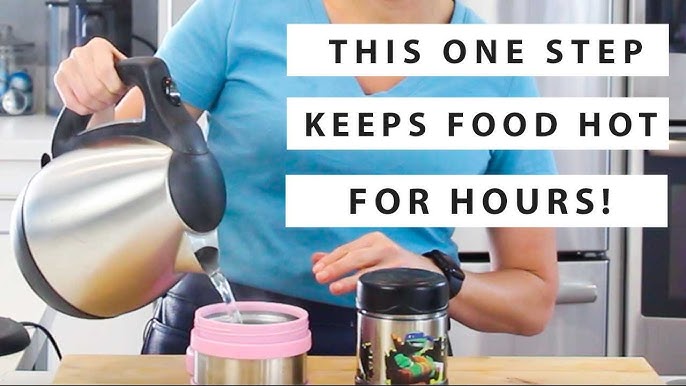
- Preheat the Thermos: Fill it with boiling water, seal it, and let it sit for at least 5 minutes.
- Empty and Dry: Pour out the water just before adding your hot food.
- Add Food at Boiling Hot: Make sure your food is as hot as possible when it goes in. Reheat if needed.
This process is called thermal priming. It can make a difference of up to 2 hours in how long your food stays hot.
Filling Your Thermos The Right Way
How you fill your thermos also affects how long food stays warm.
- Fill to the Top: Less air means less heat lost. Fill it right to the rim if possible.
- Seal Quickly: The longer the lid is off, the more heat escapes.
- Avoid Overfilling: Don’t overflow. Leave a tiny space for the lid to close tightly.
Non-obvious insight: For chunky foods like chili or rice, press down gently to remove air pockets. Air transfers heat away faster than dense food.

Credit: thermos.com
Foods That Stay Hot Best In A Thermos
Some foods simply hold heat better than others. Here’s a quick look at what works best:
| Food Type | How Long It Stays Hot | Notes |
|---|---|---|
| Soups/Broths | 6–10 hours | Liquid retains heat well |
| Pasta/Rice | 5–8 hours | Starch holds heat, but dries out |
| Chili/Stew | 6–12 hours | Dense, moist foods last longest |
| Vegetables | 3–6 hours | Small pieces lose heat faster |
| Fried Foods | 2–4 hours | Gets soggy; loses heat quickly |
Practical tip: If you want to keep something like grilled chicken hot, add a small amount of hot broth to help trap steam and heat.
Step-by-step: Keeping Food Hot In A Thermos
Here’s a clear process you can use every time:
- Preheat the Thermos: Boil water, fill the thermos, close, and wait 5–10 minutes.
- Heat the Food: Make sure it’s piping hot—hotter than you’d normally eat.
- Empty and Wipe: Pour out the hot water and dry quickly.
- Pack Fast: Fill the thermos with your hot food right away.
- Seal Immediately: Screw the lid on tightly.
- Keep Closed: Don’t open until ready to eat.
Extra insight: If you plan to eat in several hours, try wrapping the thermos in a towel or placing it in an insulated bag for even longer heat retention.
Mistakes That Make Food Cool Faster
Many people lose heat without knowing it. Here’s what to watch out for:
- Skipping the preheat step
- Using lukewarm food instead of reheating to boiling
- Not sealing the lid properly (even a small gap lets heat out)
- Opening the thermos often (every opening = lost heat)
- Storing in a cold place (like a car trunk in winter)
Expert tip: For children’s lunches, remind them not to open the thermos until lunchtime. Every peek drops the temperature.
Cleaning And Maintaining Your Thermos
Proper cleaning keeps your thermos working well and safe for food. Stainless steel models are usually dishwasher safe, but always check the instructions.
- Rinse after every use to avoid odors and stains.
- Deep clean weekly: Use a mix of baking soda and hot water; let sit, then scrub.
- Check the seal: Inspect the rubber gasket for cracks or wear.
- Dry completely: Store with the lid off to avoid moisture buildup.
Non-obvious insight: Lingering smells are often from the gasket. Remove and clean it separately.
Comparing Thermos Brands And Performance
Let’s look at how different brands and models perform in keeping food hot. Real-world tests show big differences.
| Brand/Model | Capacity | Heat Retention (6 hrs) | Price Range |
|---|---|---|---|
| Thermos King Food Jar | 16 oz | 135°F | $25–$30 |
| Zojirushi Stainless Steel | 17 oz | 138°F | $35–$40 |
| Stanley Classic | 24 oz | 130°F | $30–$40 |
| Hydro Flask Food Jar | 12 oz | 132°F | $35–$45 |
These temperatures are measured after 6 hours with boiling water, showing that a good thermos can keep food above safe serving temperature (above 130°F) for most of the day.
You might find this helpful: Best Thermos to Keep Food Warm
Safety Tips For Using Thermos
Keeping food hot is not just about comfort—it’s also about food safety. Bacteria grow quickly in the danger zone (40–140°F). Here’s how to stay safe:
- Always start with very hot food.
- Don’t store perishable foods for more than 8–12 hours.
- Don’t reheat food inside the thermos. Heat first, then pack.
- Clean thoroughly after every use.
- Don’t use a damaged thermos (especially if the vacuum seal is broken).
If you ever notice your food is cool after only a few hours, it’s safer to throw it out.
Keeping Food Hot For Kids
Packing a hot lunch for kids takes a bit of extra planning. Here’s how to make sure their meal is still warm at lunchtime:
- Use a small, child-size thermos; less air means better heat retention.
- Preheat both the thermos and the food container.
- Pack the lunch just before leaving home.
- Remind your child not to open the thermos until lunchtime.
- Choose foods that stay hot and taste good even if slightly cooled, like pasta with sauce or bean chili.
Bonus tip: Let kids help with the process. If they know why the thermos works, they’re less likely to open it early.
When A Thermos Won’t Work
Even the best thermos has limits. Some foods, like crispy fries or baked goods, lose texture and won’t stay appetizing. Dairy-based sauces can separate, and delicate foods like fish can become overcooked or mushy.
If you need to keep food hot for more than 12 hours, consider alternatives like electric lunch boxes or portable food warmers.
Credit: www.youtube.com
Expert Tricks To Maximize Heat Retention
You can stretch the limits of your thermos with these advanced tricks:
- Double up: Use two thermoses for a large meal—one for main, one for sides.
- Layering: Place a piece of parchment paper over the food to trap steam.
- Insulated bags: Carry your thermos inside an insulated lunch bag for extra protection.
- Hot packs: Slip a reusable hot pack beside the thermos in winter.
- Foil wrap: For dry foods, wrap in foil before placing in the thermos.
Pro insight: Some people heat a small clean stone in boiling water, dry it, and place it in the bottom of the thermos for a thermal boost (for solid foods only).
Frequently Asked Questions
How Long Can Food Stay Hot In A Thermos?
Most good thermoses keep food hot for 6 to 12 hours if you preheat and fill with very hot food. After that, the temperature can drop below safe levels, so it’s best to eat within this window.
Can I Put Cold Food In A Thermos To Heat It Up?
No. A thermos is designed to maintain temperature, not cook or heat up cold food. Always start with hot food, or use a different method to heat it first.
Why Does My Food Get Cold So Fast In My Thermos?
Common reasons include not preheating the thermos, starting with lukewarm food, or using a thermos with a poor seal. Also, frequent opening or storing in a cold environment can speed up heat loss.
Is It Safe To Store Dairy Or Meat In A Thermos?
Yes, if you keep it above 140°F and eat within 6–8 hours. For longer storage, avoid dairy and meat, as bacteria can grow quickly if temperatures drop.
Can I Put A Thermos In The Microwave Or Oven?
Never put a stainless steel thermos in the microwave or oven—it can damage both the thermos and your appliance. Only heat food before transferring it to the thermos.
For more about food safety and vacuum flasks, see this Wikipedia page.
Keeping food hot in a thermos is simple once you know the secrets. Choose a quality thermos, always preheat, fill with piping hot food, and seal tightly. With a bit of planning, you can enjoy a warm meal hours after you’ve packed it—whether at work, school, or outdoors.
:max_bytes(150000):strip_icc()/Thermos_HotFoodThermos_King_HeroSquare-85bd5fffa52f431d903525f411878788.jpg)
Credit: jansarkanderlubin.pl