Skip to content
Professional chefs are known for their speed, precision, and attention to detail. Many home cooks wonder: what cutting board do professional chefs actually use? The answer isn’t as simple as picking one board off the shelf. Chefs choose their cutting boards with care, thinking about durability, hygiene, knife safety, and the type of food they prepare.
This article will break down the materials, sizes, and features that matter most in a professional kitchen. If you want to upgrade your own cooking tools, understanding these choices can help you cut, chop, and slice like a pro.
Why Cutting Board Choice Matters
The cutting board is one of the most-used tools in any kitchen. Professional chefs rely on their boards every day, sometimes for hours at a time. The right board can:
- Protect knife blades from dulling too quickly
- Prevent cross-contamination between different foods
- Stay stable during heavy chopping
- Withstand frequent washing and high temperatures
Chefs know that a poor-quality board can make prep work unsafe and slow. For beginners, it’s easy to overlook details like board weight, grip, and material. But these factors affect not just the chef’s workflow, but also the safety and taste of the final dish.
Common Cutting Board Materials In Professional Kitchens
Most professional chefs use one of three main types: wood, plastic, or composite. Each has strengths and weaknesses. Here’s a side-by-side look:
| Material | Pros | Cons | Typical Uses |
|---|---|---|---|
| Wood | Gentle on knives, classic look, self-healing surface | Heavy, needs oiling, not dishwasher safe | Vegetables, bread, cooked meats |
| Plastic | Lightweight, dishwasher safe, color-coded options | Knife marks show, can warp, less stable | Raw meat, seafood, general prep |
| Composite | Durable, dishwasher safe, knife-friendly | Can be pricey, feels different from wood | All-purpose, commercial kitchens |
Wood Cutting Boards
Most chefs agree that end-grain wood boards are the gold standard for many tasks. End-grain boards are made from blocks of wood with the fibers facing up. When you cut, the knife goes between the fibers, which helps the board “heal” itself. These boards tend to last longer and are gentler on expensive knives.
Popular woods are maple, walnut, and beech. They’re hard enough to last but not so hard that they damage blades. Chefs often use wood boards for bread, vegetables, and cooked meats—but not for raw meat or fish, because wood can absorb juices and bacteria.
Plastic Cutting Boards
Plastic boards are found in almost every professional kitchen, especially in the prep and meat stations. Their main advantage is hygiene: you can toss them in the dishwasher for high-temperature cleaning. Many kitchens use a color-coding system (red for raw meat, green for vegetables, blue for fish, yellow for poultry) to reduce cross-contamination.
However, knife marks can trap bacteria if not cleaned well. Chefs replace these boards regularly. They’re lighter and easier to move around, but they can slide if not equipped with rubber grips or mats.
Composite Boards
Composite boards, such as those made by Epicurean, blend wood fiber and resin. These boards are heat-resistant, dishwasher safe, and resistant to warping. They’re sometimes called “paper composite” or “Richlite” boards. Many chefs like their balance of knife-friendliness and durability, and they’re popular in open kitchens where appearance matters.
What Sizes And Shapes Do Chefs Prefer?
Professional kitchens rarely use just one cutting board. Chefs choose different sizes for different tasks:
- Large boards (18×24 inches or bigger) for main prep work
- Medium boards (12×18 inches) for smaller jobs or limited counter space
- Small boards (8×10 inches) for garnishes, cheese, or quick tasks
Thickness is also important. Boards between 1. 5 and 2. 5 inches are sturdy but not too heavy to move. Thinner boards are lighter but may warp or slide more easily.
Some chefs use rectangular boards for most tasks. Others like round or oval boards for bread or presentation. In Japanese kitchens, you may see long, narrow hangiri boards for sushi prep.
Key Features Chefs Look For
Beyond material and size, chefs care about details that many home cooks overlook:
- Juice grooves catch liquid from meat or fruit, keeping counters clean.
- Non-slip feet or edges stop the board from moving during fast chopping.
- Handles or cut-outs make it easier to lift and carry the board.
- Weight—heavier boards stay in place, but must be easy to clean and store.
An often-missed insight: chefs rarely use glass or marble boards. These materials look nice but destroy knife edges and can chip or break easily. Silicone mats are sometimes used under boards to add grip, but not as the main surface.
How Chefs Care For Their Cutting Boards
Even the best cutting board needs proper care. Chefs:
- Wash boards immediately after use with hot, soapy water.
- Sanitize plastic or composite boards in the dishwasher or with diluted bleach.
- Dry boards upright to prevent water from soaking in and causing warping or mold.
- Oil wood boards with mineral oil every week to keep them from cracking or drying out.
- Replace boards when they develop deep grooves, cracks, or stains that cannot be cleaned.
A common mistake: letting boards soak in water or putting wood boards in the dishwasher. This leads to warping and splitting.
Comparing Top Brands Used By Professional Chefs
Some brands have earned a reputation in professional kitchens for their durability and quality. Here’s a quick comparison of chef favorites:
| Brand | Material | Popular Size | Typical Price Range | Main Advantage |
|---|---|---|---|---|
| Boos Block | End-grain wood | 18×24 in | $120–$250 | Professional durability |
| Epicurean | Composite | 15×11 in | $30–$70 | Dishwasher safe, lightweight |
| San Jamar | Plastic | 18×12 in | $20–$50 | Color-coded options |
| Rubbermaid | Plastic | 15×20 in | $25–$60 | Non-slip, high-volume use |
These brands are trusted for a reason. For example, Boos Block is a staple in many restaurant kitchens for its end-grain boards that last years with proper care. Epicurean boards are common in open kitchens and test kitchens due to their sleek look and convenience.
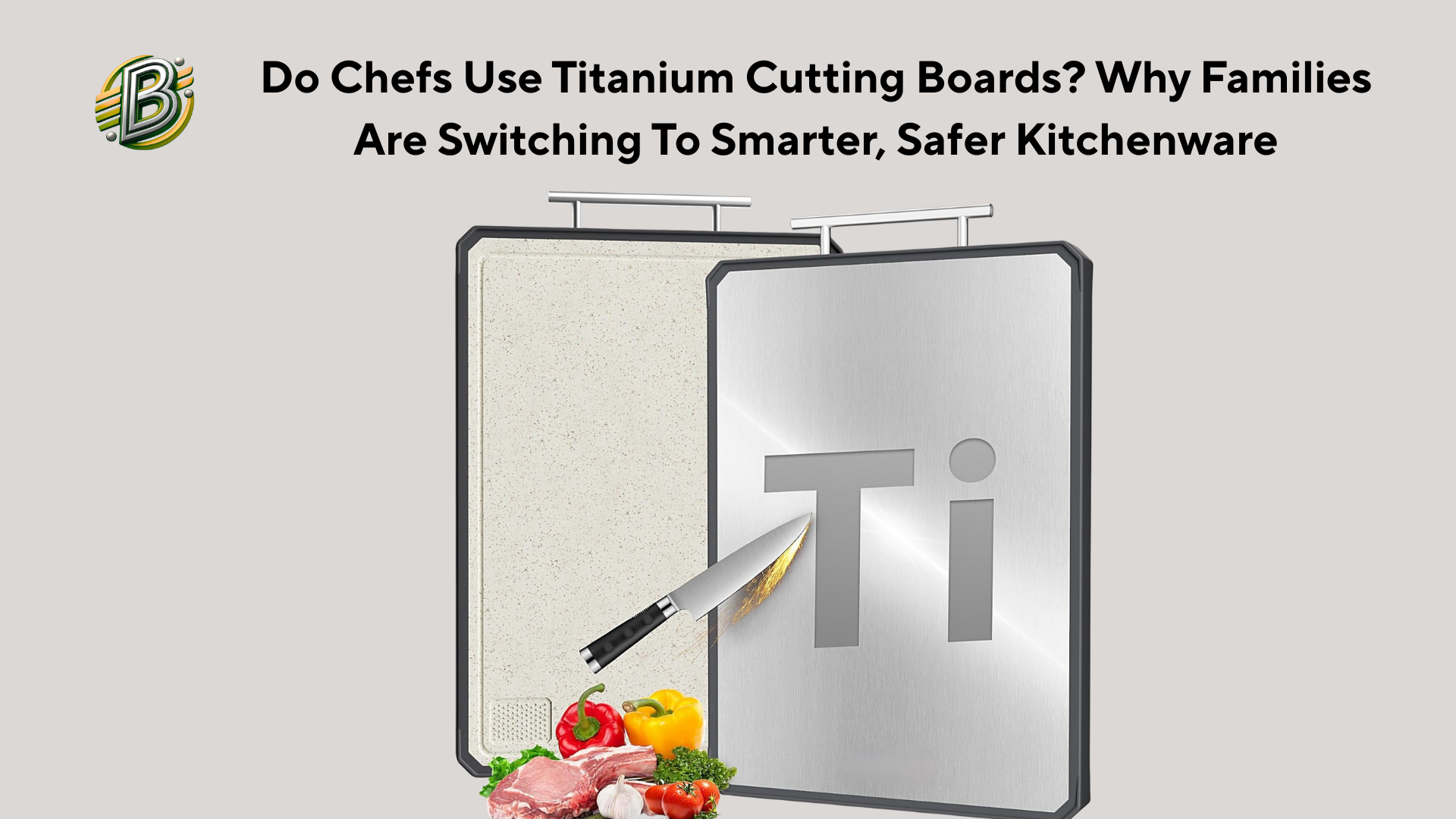
Credit: brightlinksusa.com
How Professionals Minimize Cross-contamination
Food safety is always on a chef’s mind. One of the most effective ways to prevent the spread of bacteria is to use separate boards for different foods:
- Red: Raw meat
- Yellow: Poultry
- Blue: Seafood
- Green: Vegetables and fruit
- White: Dairy and bread
This color code helps busy teams avoid accidents during rush hours. Many health departments require color-coded boards in commercial kitchens. For home cooks, adopting this system can make your kitchen safer and easier to manage.
Cutting Board Myths And Mistakes
Some common myths can lead to poor choices. For example:
- Myth: “Glass boards are more hygienic.” Fact: Glass boards damage knife edges and can chip. They are not safer.
- Myth: “All wood boards harbor bacteria.” Fact: Studies show that wood boards (especially end-grain) can trap and kill bacteria inside the wood fibers, making them safe when cleaned properly.
- Myth: “A heavy board is always better.” Fact: Weight helps stability, but if a board is too heavy to lift or clean, it’s not practical.
A less-known insight: Some chefs keep a dedicated garlic and onion board to avoid flavor transfer. Strong odors can soak into wood, affecting delicate foods like fruit or pastry.
Environmental And Health Considerations
Professional chefs are also thinking about sustainability and health. Bamboo boards are popular for being renewable, but not all are durable enough for heavy use. Some composite boards are made from recycled materials.
Sanitation is another concern. Boards with deep grooves can harbor bacteria, no matter the material. That’s why chefs inspect their boards often and replace them when necessary. Safe board care means less risk of foodborne illness.
When Do Chefs Replace Their Cutting Boards?
No board lasts forever. Even a high-end end-grain board will need to be resurfaced or replaced after years of use. Chefs look for these signs:
- Deep cuts or grooves that can’t be scrubbed clean
- Warping or bending
- Discoloration or persistent odors
- Cracks along the edges
For plastic and composite boards, replacement is cheap and easy. For wood boards, some chefs sand them down to renew the surface before buying new ones.

Credit: www.boosblocks.de
Should Home Cooks Follow The Same Rules?
You don’t need a restaurant-sized cutting board collection at home. But learning from the pros can improve your own kitchen:
- Use at least two boards: One for raw proteins, one for vegetables and bread.
- Choose a board that fits your counter and is easy to clean.
- Avoid glass or cheap, thin boards.
- Care for your board regularly to make it last.
Investing in a quality board, even at a higher price, saves money in the long run by protecting your knives and reducing replacement costs.
Frequently Asked Questions
What Material Cutting Board Do Most Professional Chefs Use?
Most professional chefs prefer end-grain wood for general prep because it’s gentle on knives and durable. For raw meat and seafood, they often use plastic boards for easy sanitation.
How Often Do Chefs Replace Cutting Boards?
Chefs replace plastic boards every few months or when they develop deep grooves. Wood boards can last for years with proper care, but are replaced when they warp, crack, or smell.
Are Bamboo Cutting Boards Good For Professional Use?
Bamboo boards are eco-friendly and affordable, but they are harder than most wood boards and can dull knives faster. Some chefs use them, but many prefer maple, walnut, or composite for heavy use.
Why Don’t Chefs Use Glass Cutting Boards?
Glass is extremely hard and will quickly dull or chip knife edges. It can also break or shatter, making it unsafe in a busy kitchen.
How Do Chefs Sanitize Their Cutting Boards?
Chefs wash boards with hot, soapy water after each use. Plastic and composite boards often go in the dishwasher. For wood boards, they use diluted bleach or vinegar solutions, then rinse and dry upright.
If you want to see more about safe food handling and materials, visit the USDA’s food safety guidelines.
Choosing the right cutting board is a small detail that makes a big difference in any kitchen. Whether you cook for a crowd or just for yourself, a good board can protect your knives, your food, and your health. With the right knowledge, you’ll cut with confidence—just like a professional chef.

Credit: www.restaurantonline.co.uk