Most people don’t spend much time thinking about their freezer’s temperature. It’s just a cold box, right? But the truth is, setting the right freezer temperature matters a lot. It affects the safety of your food, how long it lasts, and even how much energy you use. If you’ve ever found freezer-burned meat, mushy ice cream, or spoiled leftovers, you know the frustration.
The right setting saves money, protects health, and keeps your meals tasting good. If you’re unsure what temperature your freezer should be, or how to set and check it, this article will help. You’ll learn exactly what the ideal freezer temperature is, why it matters, how to measure and adjust it, and what happens if you get it wrong. We’ll also cover practical tips, common mistakes, and answer the most frequent questions people ask.
Why Freezer Temperature Matters
The freezer isn’t just for storing frozen pizza or ice cubes. Its main job is to keep food safe and fresh for weeks, sometimes months. Freezer temperature affects:
- Food safety
- Food quality and taste
- Shelf life
- Energy use
If your freezer is too warm, bacteria can grow. If it’s too cold, you waste energy and may damage some foods. Finding the right balance is key.
Food Safety
The US Food and Drug Administration (FDA) recommends that frozen foods be kept at or below 0°F (-18°C). At this temperature, bacteria, mold, and yeast are stopped from growing. They don’t die, but they can’t multiply and spoil food.
Example: If ground beef is kept above 0°F, bacteria like Salmonella can start to grow. This leads to unsafe food and possible illness.
Food Quality
Besides safety, the right temperature helps keep food tasting good. Too cold and you’ll get freezer burn—dry, tough spots on meat, or icy crystals on vegetables. Too warm and food texture changes, flavor fades, and colors get dull.
Ice cream is a great example. At 0°F, it stays creamy and solid. Above 10°F, it gets soft and grainy.
Shelf Life
Foods last much longer when frozen at 0°F. For example:
- Chicken: 12 months
- Bread: 3 months
- Fish: 6 months
If your freezer is set higher, these times drop fast.
Energy Use
A colder freezer uses more electricity. If you set it too low (like -10°F), your bills go up. If it’s too warm, you risk food safety. The right setting saves money and keeps food safe.
What Is The Ideal Freezer Temperature?
The best freezer temperature is 0°F (-18°C). This is the standard recommended by the FDA, the US Department of Agriculture (USDA), and most appliance makers.
Why 0°f (-18°c)?
At 0°F, almost all bacteria and mold stop growing. Food stays safe and lasts longer. Lower temperatures offer little extra benefit but cost more in energy.
What About Deep Freezers?
Some deep freezers can go colder, to -20°F or lower. For most home use, this isn’t needed. Only some medical or laboratory freezers need these colder settings.
Commercial Freezers
Restaurants and stores often use -10°F to -20°F to keep food extra safe during storage and transport. But for home freezers, 0°F is the sweet spot.
Credit: www.thekitchn.com
How To Check Your Freezer Temperature
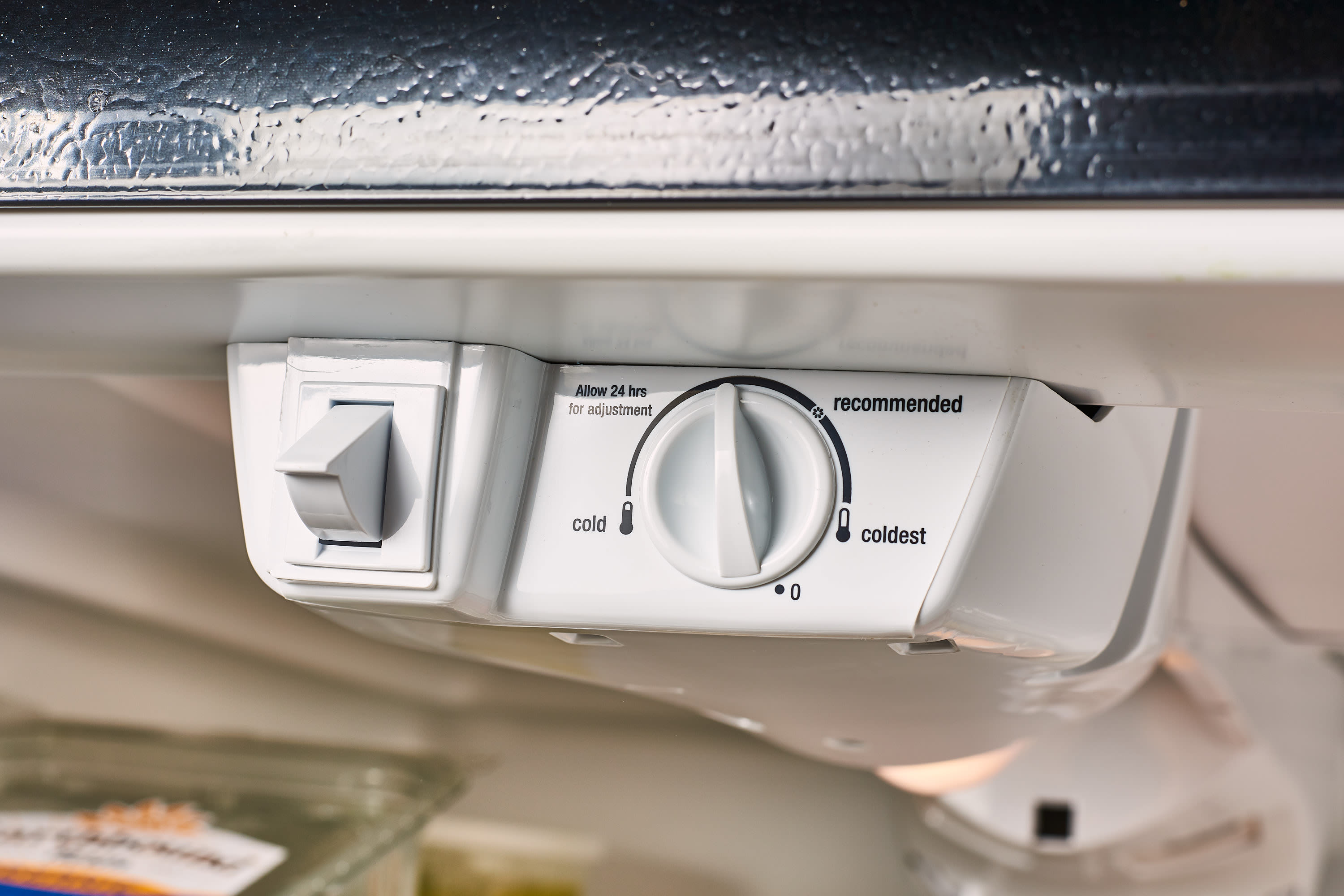
Many freezers have a dial with numbers (1–5 or 1–7), but these don’t show the real temperature. To be sure, use a freezer thermometer. Here’s how:
- Place the thermometer in the center of the freezer, not near the door or walls.
- Wait at least 8 hours (overnight is best).
- Check the reading. It should be 0°F.
If you don’t have a thermometer, some freezers show the temperature on a digital display. But these can be off by a few degrees, so it’s still smart to double-check.
Choosing A Freezer Thermometer
Look for one labeled “freezer safe. ” Digital models are easy to read, but classic analog ones are reliable and cheap.
Practical Tip
Don’t check right after opening the door—wait 15 minutes for the temperature to settle.
Adjusting Freezer Settings
If your freezer isn’t at 0°F, you need to adjust it. Most have a dial or button inside. Here’s a quick guide:
- Dial with numbers: Higher numbers mean colder. Set at the middle/highest setting if unsure, then check with a thermometer.
- Digital controls: Set to 0°F directly if possible.
Step-by-step Adjustment
- Turn the dial up or down as needed.
- Wait 8–12 hours for the freezer to stabilize.
- Check temperature with thermometer.
- Repeat if needed.
:max_bytes(150000):strip_icc()/RealSimple_refrigerator-temperature_01_preview-8d2cf36eb6064a3c99ed9e920010ba3c.jpg)
Credit: www.realsimple.com
Comparing Freezer Temperatures
Here’s a simple table showing what happens at different settings:
| Temperature (°F) | Effect on Food | Energy Use |
|---|---|---|
| 10°F | Unsafe, bacteria can grow | Low |
| 0°F | Safe, best quality | Medium |
| -10°F | Safe, extra cold, possible freezer burn | High |
| -20°F | Safe, not needed for home use | Very High |
Common Freezer Settings And What They Mean
Most freezers have dials with numbers, not temperatures. Here’s what they usually mean:
| Dial Setting | Approx. Temperature | Best For |
|---|---|---|
| 1 | 20°F | Not safe for food |
| 3 | 10°F | Short-term storage |
| 5 | 0°F | Safe, long-term storage |
| 7 | -10°F | Extra cold, possible freezer burn |
Always check with a thermometer for accuracy, as dials can vary between brands.
Effects Of Wrong Freezer Temperature
Setting your freezer too high or too low causes problems.
Too Warm
- Food spoils faster
- Bacteria can grow
- Ice cream melts or gets soft
- Meat changes color
Too Cold
- Higher energy bill
- More freezer burn
- Some fruits and vegetables get mushy or lose flavor
Real Example
If you set your freezer at 10°F, frozen pizza may be safe for a week, but after that bacteria can multiply. At 0°F, it stays safe for months.
How Freezer Temperature Affects Different Foods
Different foods react differently to freezer settings. Here’s a breakdown:
Meat And Fish
At 0°F, meat and fish stay safe for a year or more. Above 0°F, bacteria can start to grow, and quality drops.
Vegetables
Vegetables freeze well at 0°F. If too cold, they may get ice crystals and change texture.
Ice Cream
Ice cream needs to be below 0°F. At higher temperatures, it gets soft and forms ice crystals.
Bread
Bread stays fresh at 0°F for up to 3 months. If too cold, it can dry out.
How Temperature Fluctuations Happen
Many people don’t realize their freezer temperature changes throughout the day. Opening the door, adding warm food, or a power outage can cause spikes. If you notice melting ice or soft food, your freezer may be too warm or not stable.
Tips To Prevent Fluctuations
- Don’t overload the freezer
- Leave space for air to circulate
- Avoid frequent opening
- Cool hot food before freezing
Energy Efficiency And Freezer Temperature
Setting your freezer at the right temperature saves energy. According to the US Department of Energy, freezers use 10–15% of a home’s electricity. Setting too cold wastes money.
Energy Savings
- Keep at 0°F for best balance
- Clean coils and seals regularly
- Defrost manually if frost builds up
Cost Example
If you set your freezer at -10°F instead of 0°F, it may use 25% more energy. Over a year, this can add $40–$60 to your bill.

Credit: www.samsung.com
How To Fix Common Freezer Problems
Sometimes, even with the right setting, your freezer has issues. Here’s how to fix the most common ones:
Freezer Not Cold Enough
- Check door seal for leaks
- Clean coils behind freezer
- Avoid blocking air vents inside
- If all else fails, call a technician
Freezer Too Cold
- Adjust dial down
- Check for frost buildup
- Make sure thermostat works
Freezer Burn
- Use airtight containers
- Don’t overfill
- Keep at 0°F
How To Keep Your Freezer At The Right Temperature
Keeping your freezer at the right temperature isn’t just about setting the dial. Here’s how to maintain it:
- Check with a thermometer monthly.
- Keep freezer at least half full for stable temperature.
- Avoid putting hot food directly inside.
- Clean door seal and coils every 6 months.
- Don’t block air vents.
Practical Tips For Best Freezer Performance
Even with the right temperature, a few small habits make a big difference:
- Label and date foods before freezing.
- Use airtight bags and containers.
- Freeze food in small portions for faster freezing.
- Organize foods—meat at the bottom, vegetables on top.
- Don’t open the door often.
Smart Freezers And Temperature Control
Modern freezers have smart features—digital displays, alarms, and even WiFi. They help you keep temperature steady and alert you if it changes.
Example: Wifi Freezer
If your freezer connects to your phone, it can send alerts when temperature rises. Useful for vacations or power outages.
Are Smart Freezers Worth It?
For most people, a simple freezer works fine. But if you store expensive food or need extra peace of mind, smart features help.
Comparing Freezer Types
Different freezers hold temperature differently. Here’s a quick comparison:
| Freezer Type | Temperature Stability | Best For |
|---|---|---|
| Upright freezer | Good | Easy access, smaller kitchens |
| Chest freezer | Excellent | Long-term storage, large items |
| Built-in freezer (fridge combo) | Fair | Everyday use, small families |
Chest freezers often keep temperature most steady, but upright models are easier to organize.
Setting Freezer Temperature In Different Climates
If you live in a hot or cold climate, your freezer may work differently.
- In hot weather, freezers work harder. Check temperature more often.
- In cold basements or garages, freezers may freeze too much. Adjust dial if needed.
Extra Insight
Many people forget to adjust freezer settings when moving home or during seasonal changes. Always check after a big change.
How Often Should You Check Freezer Temperature?
Check at least once a month, or whenever you notice soft food, frost, or strange smells. If you store expensive items, check weekly.
Pro Tip
Keep a log or sticker on the freezer to record checks. This helps spot problems early.
Safety Tips For Freezer Owners
Keeping your freezer safe means more than setting the temperature.
- Don’t store raw meat above ready-to-eat foods
- Clean spills immediately
- Keep freezer dry—moisture leads to mold
Freezer Myths And Misunderstandings
There are many myths about freezers. Let’s clear up a few:
- “Colder is always better.” Not true. Below 0°F increases energy use and freezer burn.
- “A full freezer is best.” Actually, half full is better for air circulation.
- “Digital dials are 100% accurate.” They can be off by a few degrees.
- “Frozen food lasts forever.” No, it loses quality over time even at 0°F.
Non-obvious Insights For Beginners
Many beginners miss these points:
- Freezer temperature changes when you add a lot of warm food—wait before checking.
- Frost buildup means your freezer is working too hard—defrost regularly.
- Freezer burn is not dangerous, but makes food taste bad.
When To Call A Professional
If you’ve checked temperature, cleaned coils, and adjusted settings but still have problems, it’s time to call a technician. Common signs:
- Freezer can’t reach 0°F
- Strange noises or smells
- Ice builds up quickly
How Freezer Temperature Can Affect Your Health
If you set your freezer too high, you risk food poisoning. If too low, you waste money and damage food. Always aim for 0°F and check regularly.
Frequently Asked Questions
What Happens If My Freezer Is Set Above 0°f?
If your freezer is set above 0°F, food may not stay safe. Bacteria can grow, especially above 10°F. Quality drops and shelf life shortens.
How Can I Tell If My Freezer Is At The Right Temperature?
Use a freezer thermometer placed in the center. Wait overnight, then check. It should read 0°F. Don’t rely only on the dial or digital display.
Is It Bad To Set My Freezer Lower Than 0°f?
Setting your freezer lower than 0°F is safe, but it uses more energy and can cause freezer burn. For most home use, 0°F is best.
How Often Should I Check My Freezer Temperature?
Check monthly, or whenever you notice issues like soft food or frost buildup. If you store expensive or important foods, check weekly.
What’s The Best Way To Keep Food Safe In The Freezer?
Set freezer at 0°F, use airtight containers, label and date foods, and don’t overload. Clean regularly and check temperature often.
Final Verdict
Keeping your freezer at the right temperature isn’t just about rules—it’s about protecting your health, saving money, and enjoying your food. Remember, 0°F (-18°C) is the magic number. Check with a thermometer, adjust as needed, and stay alert for changes. With these practical tips, you’ll keep your freezer running safely and efficiently. If you ever need more details, visit the FDA’s official guidelines at FDA Food Freezing Guide. Your freezer is a valuable tool. Set it right, and it will work for you—not against you.