Skip to content
Why Is My Breadmaker Bread So Dense
Many people love the idea of baking bread at home. The smell, the freshness, and the satisfaction are unbeatable. But if your breadmaker is turning out dense, heavy loaves instead of soft, airy bread, it can be frustrating. You might wonder what you’re doing wrong.
Understanding why breadmaker bread is so dense isn’t just about following a recipe—it’s about knowing how ingredients, machines, and even the weather can affect your results. Let’s explore the reasons behind dense bread, how you can fix it, and how to get consistently better results from your breadmaker.
What Makes Bread Light And Airy?
Bread’s texture depends on gluten development, yeast activity, and proper hydration. Gluten is a protein in flour that forms a stretchy network, trapping air bubbles as yeast ferments. The yeast produces carbon dioxide, which inflates the dough and gives bread its lift. If these elements don’t work together, bread turns out dense.
The breadmaker automates kneading, rising, and baking. But it’s not magic—each step needs the right conditions. Sometimes, breadmakers don’t knead as well as hands or stand mixers. Or they don’t keep the dough warm enough for yeast to work properly.
Often, the problem is with the ingredients or the recipe, not the machine itself.
Common Reasons For Dense Breadmaker Bread
Let’s look at the most frequent causes of dense bread in breadmakers. Most problems are simple to fix once you know what’s happening.
1. Not Enough Yeast Or Old Yeast
Yeast is the engine of bread. If you use too little, or your yeast is expired, your bread won’t rise well. Always check the expiration date and store yeast in a cool, dry place. Instant yeast works best for most breadmakers.
2. Too Much Flour Or Not Enough Water
Too much flour makes the dough stiff and hard to knead. Not enough water means the gluten can’t develop fully. The dough should be soft and slightly sticky after kneading. If it feels dry, add water a teaspoon at a time.
3. Poor Gluten Development
If you use low-protein flour, like cake or pastry flour, your dough won’t have enough gluten. Bread flour is ideal because it has more protein. All-purpose flour can work, but results may vary.
4. Incorrect Measurements
Breadmaking is precise. Using cups instead of weighing ingredients can cause big differences. For best results, use a digital scale. Even small errors can make bread dense.
5. Breadmaker Settings
Some machines have settings for whole wheat, French bread, or quick bread. Using the wrong setting can lead to dense bread. Read your breadmaker’s manual and match the setting to your recipe.
6. Cold Ingredients
Yeast works best in a warm environment. If your flour, water, or eggs are cold, the dough may rise slowly or not enough. Let ingredients reach room temperature before starting.
7. Not Enough Kneading
Kneading stretches gluten. If your breadmaker doesn’t knead long enough, the dough won’t have good structure. Some machines allow you to adjust kneading time—try adding a few minutes.
8. Too Much Salt Or Sugar
Salt controls yeast, but too much kills it. Sugar feeds yeast, but too much can slow it down. Balance is key—follow recipes closely.
9. Humidity And Weather
Humidity affects flour and yeast. On rainy days, flour absorbs more water. You may need to adjust water or flour. In dry weather, dough can dry out, needing extra water.
10. Wrong Type Of Fat
Butter, oil, or margarine improve texture, but too much can make bread heavy. Stick to recipe amounts, and don’t add extra fat.
How Each Ingredient Affects Bread Density
Understanding each ingredient helps you control bread texture. Here’s a quick guide:
| Ingredient | Effect on Bread | Common Mistake |
|---|---|---|
| Flour | Gives structure; high protein improves rise | Using low-protein flour |
| Yeast | Makes bread rise; too little = dense bread | Expired yeast or not enough yeast |
| Water | Hydrates flour; helps gluten form | Not enough water |
| Salt | Controls yeast; strengthens gluten | Too much kills yeast |
| Sugar | Feeds yeast; adds flavor | Too much slows yeast |
| Fat (Butter/Oil) | Softens crumb; adds flavor | Too much makes bread heavy |
The Role Of Breadmaker Machines
Not all breadmakers are equal. The way they knead, rise, and bake can affect bread density. Some models knead faster or slower, while others control temperature better.
Kneading Action
Breadmakers use a paddle to knead. If the paddle is worn or doesn’t reach all parts of the dough, gluten may not develop. You can check the kneading process after 10 minutes—stop the machine and look at the dough. If it’s not forming a smooth ball, help it along by scraping flour from the sides.
Temperature Control
Yeast needs warmth. Machines with better temperature control produce lighter bread. If your kitchen is cold, the breadmaker may not keep dough warm enough during rising. Some people place the breadmaker near a warm spot or wrap it in a towel.
Cycle Settings
Breadmakers usually have several settings. The basic cycle is for white bread and works for most recipes. If you use whole wheat or rye, use the whole wheat setting—it kneads longer and lets dough rise longer.
| Breadmaker Setting | Best For | Risks for Dense Bread |
|---|---|---|
| Basic/White | White or all-purpose flour | Too short for whole wheat |
| Whole Wheat | Whole wheat flour | Too long for white bread |
| French | French-style bread | Longer rise, lighter crust |
| Quick | Fast bread, no yeast | No rise, dense bread |

Credit: www.reddit.com
Recipes And Adaptation
Many breadmaker recipes are designed for the average machine. But flour varies by brand and region. Water changes by climate. If your bread turns out dense, adjust recipes bit by bit.
Start With The Basics
Try a simple white bread recipe, measure ingredients carefully, and watch the dough during kneading. Adjust water or flour as needed.
Adapting For Whole Wheat
Whole wheat flour needs more water and longer kneading. Add 2–3 tablespoons extra water per cup of flour. Use the whole wheat setting.
Gluten-free Recipes
Gluten-free bread is naturally denser. Adding xanthan gum, eggs, or milk improves texture. If using gluten-free mixes, follow package directions exactly.
Example: Simple Breadmaker Recipe
- 3 cups bread flour
- 2 teaspoons instant yeast
- 1¼ cups water (room temperature)
- 2 tablespoons sugar
- 2 tablespoons oil or butter
- 1½ teaspoons salt
Place wet ingredients in the breadmaker pan first, then dry. Start the basic cycle. After 10 minutes, open the lid and check dough. If too dry, add water by teaspoon. If too wet, add flour.
How To Fix Dense Breadmaker Bread
If your bread is dense, try these solutions:
- Check yeast freshness: Buy new yeast if in doubt.
- Weigh ingredients: Use a digital scale for accuracy.
- Adjust water/flour: The dough should be soft, not dry.
- Warm ingredients: Let flour, water, and eggs reach room temperature.
- Use bread flour: Higher protein means better gluten.
- Check breadmaker paddle: Make sure it’s kneading well.
- Experiment with settings: Use longer kneading or rising cycles.
- Add vital wheat gluten: For whole wheat, add 1 tablespoon per cup.
- Monitor humidity: Adjust water if your kitchen is humid or dry.
- Don’t overload with extras: Too many nuts, seeds, or dried fruit can weigh bread down.
Hidden Issues: Non-obvious Insights
Some problems aren’t obvious to beginners:
- Water Quality: Hard water slows yeast. If your water is very hard, try filtered water.
- Altitude: At high altitudes, dough rises faster and can collapse, leading to dense bread. Reduce yeast and increase flour slightly.
- Pan Size: Using the wrong pan size can affect rise. Too large, dough spreads; too small, dough overflows and collapses.
- Resting Time After Baking: Bread needs to cool on a rack. If you leave it in the pan, steam makes it soggy and dense.
Comparing Breadmaker Bread To Oven-baked Bread
Many people wonder why breadmaker bread is denser than bread baked in an oven. Here’s a comparison:
| Factor | Breadmaker Bread | Oven-Baked Bread |
|---|---|---|
| Kneading | Automatic, sometimes uneven | Manual or stand mixer, more control |
| Rising | Controlled by machine | Manual, can be extended |
| Baking | Constant temperature | Higher heat, better oven spring |
| Texture | Often denser | Lighter, more open crumb |
| Shape | Square or rectangular | Any shape desired |
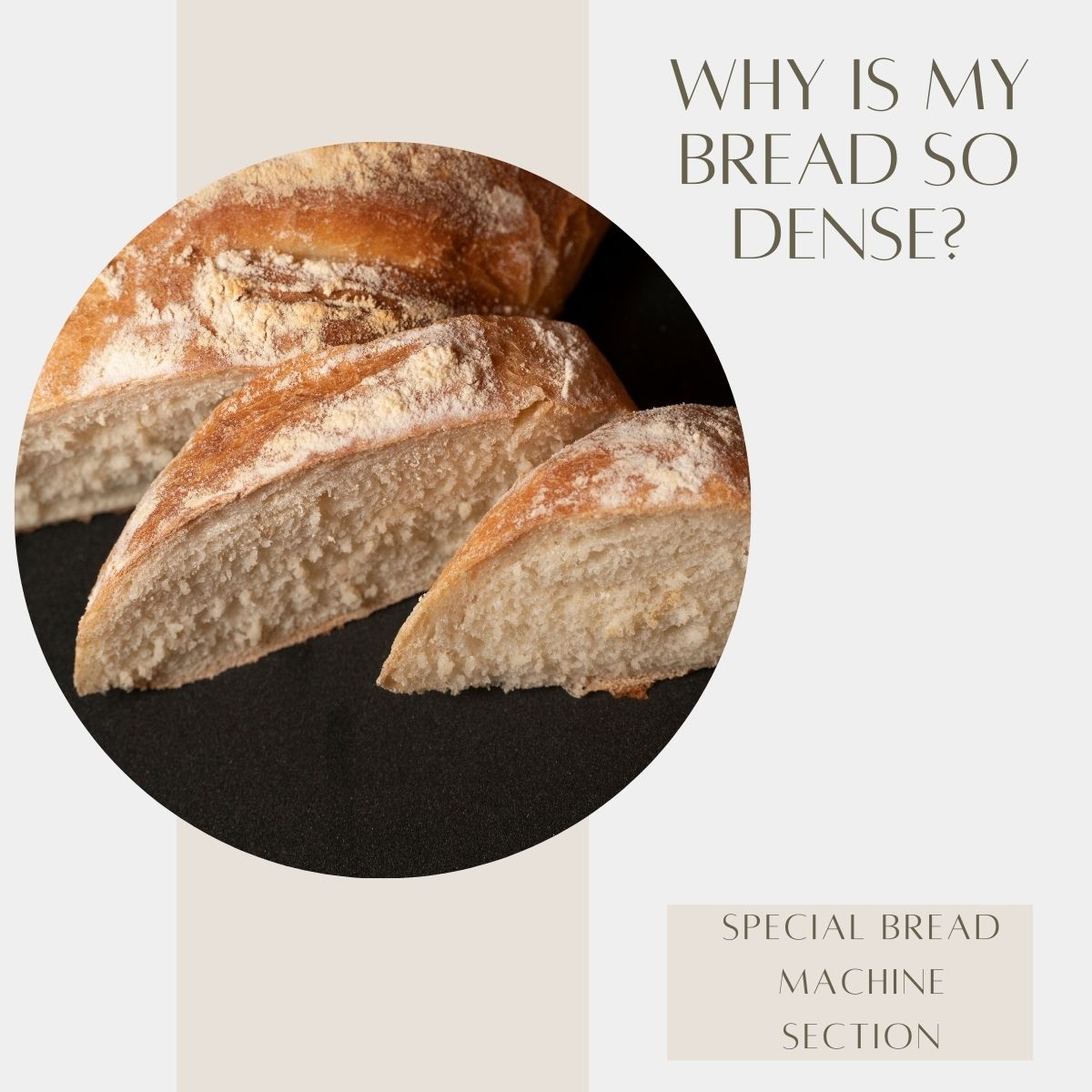
Breadmaker bread is convenient but may lack the lightness of oven-baked bread. You can improve texture by removing dough after kneading, shaping, letting it rise, and baking in the oven.
Credit: saladinajar.com
Practical Tips For Lighter Breadmaker Bread
- Open the lid during kneading: Check dough consistency and adjust if needed.
- Let bread cool on a rack: Remove from pan right after baking.
- Use fresh, high-protein flour: Don’t use old flour.
- Don’t rush the process: Use longer rise cycles when possible.
- Avoid overloading with mix-ins: Too many add-ins stop dough from rising.
- Clean breadmaker paddles and pan: Old dough stuck to paddles can affect kneading.
- Experiment with recipes: Try changing water, flour, and yeast amounts slightly until you get the perfect loaf.
How Weather And Location Affect Bread Density
Weather and location can change bread results. In humid places, flour absorbs water. In dry areas, dough dries quickly. If you live in a tropical climate, use less water at first, then add as needed. In cold climates, pre-warm ingredients.
Altitude also affects bread. At high altitudes, air pressure is lower. Dough rises quickly and may collapse. Reduce yeast by ¼ teaspoon and add 2 tablespoons more flour per recipe.

Credit: breaddad.com
The Science Behind Bread Density
Bread density is about carbon dioxide production and gluten formation. Yeast eats sugar, produces gas, and inflates gluten networks. If gluten isn’t strong, gas escapes and bread collapses. If yeast is slow, not enough gas forms.
Temperature matters. Yeast works best at 75–85°F (24–29°C). Too hot, yeast dies. Too cold, yeast sleeps. Breadmakers control temperature, but if your room is cold, the machine may not compensate enough.
Is Dense Bread Always Bad?
Not all dense bread is unwanted. Some recipes, like rye or pumpernickel, are meant to be heavy. But for most sandwich and white breads, people prefer a lighter texture.
If you like dense bread, try adding more whole grains, nuts, or seeds. For lighter bread, focus on gluten development, yeast activity, and accurate measurements.
When To Seek Help
If you’ve tried everything and bread is still dense, consider:
- Breadmaker maintenance: Some machines need cleaning or repair.
- Professional advice: Many baking supply stores offer classes or advice.
- Online communities: Forums and blogs can provide troubleshooting tips. For reliable information, visit King Arthur Baking Company.
Frequently Asked Questions
Why Does My Breadmaker Bread Not Rise?
The most common reasons are old yeast, cold ingredients, or too much salt. Check yeast freshness, warm all ingredients, and measure salt carefully.
Can I Use All-purpose Flour In My Breadmaker?
Yes, but bread flour gives better results due to higher protein. If using all-purpose, the bread may be slightly denser.
How Do I Fix Dough That Is Too Dry Or Too Wet?
During kneading, check the dough. If it’s dry and crumbly, add water one teaspoon at a time. If it’s wet and sticky, add flour a tablespoon at a time. The dough should be soft and elastic.
Does Adding More Yeast Make Bread Lighter?
Not always. Too much yeast can cause dough to rise quickly, then collapse, making bread dense. Use the amount in the recipe. If you want lighter bread, improve gluten development and hydration.
Can I Open The Breadmaker Lid During Baking?
You can open the lid during kneading and rising to check dough, but avoid opening during baking. Heat loss can affect the final loaf.
Baking bread in a breadmaker is both art and science. With the right knowledge and a bit of experimentation, you can enjoy light, tasty homemade bread. Remember, small changes make a big difference. Stay patient, keep learning, and soon you’ll bake bread that rivals your favorite bakery.