Skip to content
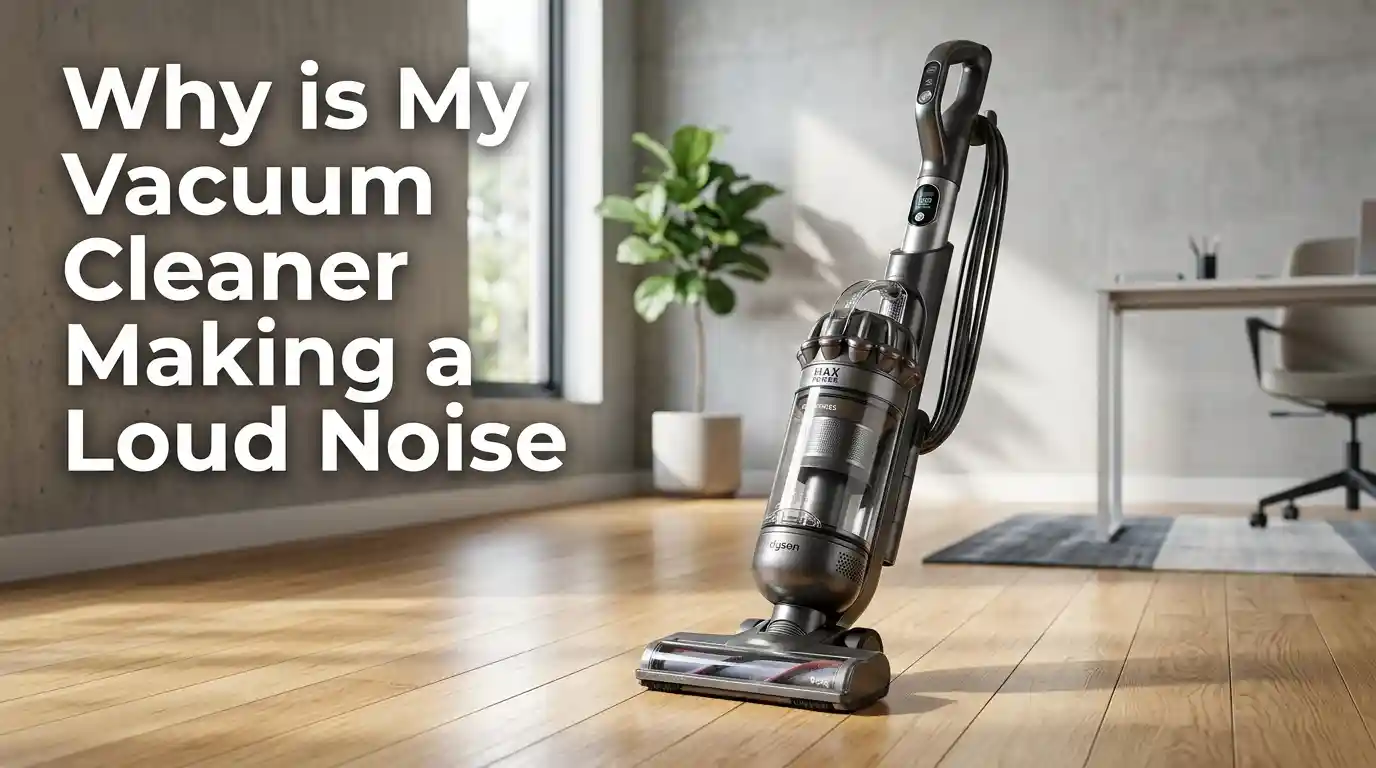
If your vacuum cleaner is suddenly making a loud noise, it’s easy to worry. Maybe it was working fine yesterday, but today it sounds like a jet engine. Loud noises from a vacuum can mean something simple or a bigger problem.
Many people ignore strange sounds until the vacuum stops working, but catching the issue early can save money and stress. This article will help you understand why your vacuum cleaner is noisy, how to fix it, and what you can do to prevent future problems.
Common Reasons For Loud Vacuum Cleaner Noise
Vacuum cleaners use motors, fans, and moving parts. When something goes wrong, it often shows as a loud noise. Here are the most frequent causes:
1. Blocked Air Path
A vacuum needs clear airflow to work. If the hose, filter, or nozzle is blocked, the motor strains and gets louder. Sometimes, a small object like a sock or paper can get stuck inside.
Signs of blockage:
- Reduced suction power
- Loud humming or whistling noise
- Hose feels heavier or airless
2. Damaged Or Worn Bearings
The bearings in the motor or brush roll help parts spin smoothly. Over time, dirt and wear cause bearings to fail. When bearings break down, they create grinding, rattling, or screeching sounds.
How to spot bearing problems:
- Noise increases when brush roll spins
- You feel vibration in the handle
- Bearings look rusty or dry
3. Broken Or Misaligned Brush Roll
The brush roll (also called a beater bar) lifts dirt from carpets. If it’s damaged, loose, or out of place, it can hit the vacuum body or floor, causing clattering noises.
Brush roll warning signs:
- Loud banging or knocking
- Visible wobble or movement
- Bristles look uneven
4. Faulty Motor
A vacuum’s motor is its heart. When the motor is failing, it can make whining, buzzing, or even squealing sounds. Sometimes, a failing motor also produces a burning smell.
Motor issues show as:
- Sudden loud or high-pitched noise
- Smell of smoke or burning
- Vacuum shuts off unexpectedly
5. Fan Problems
Most vacuums have a fan that pushes air. If the fan is cracked, loose, or blocked, it can rattle, whir, or vibrate loudly.
Fan trouble symptoms:
- Noise changes when tilting the vacuum
- Suction drops suddenly
- Fan blades look chipped
6. Loose Parts
Sometimes, screws, bolts, or covers inside the vacuum come loose. These parts vibrate or rattle, especially as the vacuum moves.
Loose parts clues:
- Noise is worse when moving vacuum
- You can hear metal or plastic clinking
- Covers or panels feel loose
Diagnosing The Noise: Step-by-step
Before rushing to buy a new vacuum, try to locate the source of the loud noise. Here’s a clear process:
- Turn off and unplug the vacuum for safety.
- Check the hose and nozzle for blockages. Remove any visible debris.
- Inspect the brush roll. Remove hair, threads, or anything wrapped around it.
- Look at filters. Dirty filters restrict airflow. Clean or replace them.
- Examine moving parts. Spin the brush roll, wheels, and check for smooth movement.
- Listen to the motor. If the noise is only when the vacuum is on, it could be the motor or fan.
- Tap the body gently. If you hear rattling, look for loose screws or panels.
If you find a simple blockage, cleaning it often solves the noise. If the problem is deeper (like worn bearings or motor failure), you may need professional help.
How Different Noises Point To Different Problems
Every noise type tells a story. Here’s a comparison table to help you identify the issue by sound:
| Noise Type | Possible Cause | Action Needed |
|---|---|---|
| Whistling | Air blockage, clogged filter | Clean hose/filter |
| Grinding | Worn bearings | Replace bearings |
| Banging | Broken brush roll | Check/replace brush roll |
| High-pitched squeal | Motor failure | Repair or replace motor |
| Rattling | Loose parts | Tighten screws |
When To Fix, When To Replace
Should you fix your vacuum or buy a new one? Here’s a quick guide:
Repair If:
- The vacuum is less than 3 years old
- The noise is from a simple blockage
- Parts (like filters or brush roll) are easy to replace
- The cost of repair is less than 30% of a new vacuum
Replace If:
- The motor is failing and repair costs are high
- The vacuum is over 5–7 years old
- Repairs keep coming back
- New vacuums are more energy-efficient
You can check average repair costs versus buying a new vacuum in this comparison:
| Problem | Repair Cost | New Vacuum Cost |
|---|---|---|
| Blocked hose | $0 (DIY) | $150–$400 |
| Broken brush roll | $20–$50 | $150–$400 |
| Motor failure | $100–$200 | $150–$400 |
How To Prevent Loud Vacuum Cleaner Noise
It’s easier to stop problems before they start. Here are practical steps:
- Clean filters monthly. Dirty filters cause blockages and strain the motor.
- Check the brush roll every few weeks. Remove hair and debris.
- Inspect hoses and nozzles for hidden objects.
- Store the vacuum properly. Don’t wrap the cord too tightly.
- Don’t overload the vacuum. Pick up large objects before vacuuming.
Many people skip these steps, but regular care can double your vacuum’s lifespan. A common mistake is forgetting to check filters, especially HEPA filters, which clog easily.
Real-world Examples And Data
According to a 2026 consumer study by Consumer Reports, about 18% of vacuum owners report loud noises within two years of purchase. The most common cause is filter blockage, followed by brush roll issues.
Example: Maria, a homeowner in Chicago, noticed her vacuum was much louder after cleaning a thick rug. She found a sock stuck in the hose. Removing it solved the problem, and her vacuum returned to normal.
Another example: John used his vacuum for pet hair, but ignored cleaning the brush roll. Eventually, the brush roll made banging noises, and he had to replace it for $35.
Credit: www.bosch-home.com
Advanced Troubleshooting Tips
If basic checks don’t help, try these advanced steps:
- Open the vacuum body. Look for hidden blockages.
- Test the motor with a multimeter (if you know how).
- Check for cracks in fan blades. Replace if needed.
- Lubricate bearings if they are dry (use the correct oil).
- Look up your vacuum’s manual for specific advice.
If you are unsure, contact a professional repair service. A certified technician can diagnose issues quickly. For more technical guidance, see this Consumer Reports guide.
Comparing Vacuum Types: Noise Levels
Some vacuums are naturally louder than others. Here’s a quick comparison:
| Vacuum Type | Average Noise Level (dB) | Typical Problems |
|---|---|---|
| Upright | 70–80 | Brush roll, motor |
| Canister | 60–75 | Fan, hose |
| Stick | 65–75 | Battery, filters |
| Robot | 55–65 | Wheel, sensors |
Insight: Upright vacuums are loudest, especially with carpet settings. Robot vacuums are quieter but can have unique noises from sensors or wheels.
Credit: www.youtube.com
Why Ignoring Loud Noise Can Be Dangerous
Many people ignore loud vacuum noises, hoping they’ll go away. This can make problems worse. For example, a blocked filter forces the motor to work harder, which can cause it to burn out. Ignoring grinding noises from bearings can lead to complete failure of the brush roll.
Non-obvious tip: Loud noises can also be a fire risk. Motors that overheat may start burning, especially in older vacuums. If you smell burning, stop using your vacuum immediately.
Frequently Asked Questions
Why Does My Vacuum Cleaner Sound Like It’s Screaming?
This usually means the motor or fan is under heavy strain. Check for blockages, dirty filters, or a failing motor. High-pitched noises are often linked to motor issues.
Is It Safe To Use A Vacuum When It’s Making Loud Noise?
No, it’s not safe. Loud noises often mean a serious problem. Using the vacuum can damage it further or even cause a fire. Turn it off and inspect before using again.
How Often Should I Clean The Filters To Prevent Noise?
Clean filters at least once a month. If you use your vacuum often or have pets, clean them every two weeks. This prevents blockages and loud noises.
Can I Fix A Noisy Vacuum Myself?
Many fixes are simple, like removing blockages or replacing filters. For motor or bearing issues, it’s best to call a technician. Trying to fix these parts yourself can be risky.
What Is The Average Lifespan Of A Vacuum Cleaner?
The average lifespan is 5–8 years. Regular maintenance can help your vacuum last longer. If it’s making loud noises and is older than this, replacement may be smarter.
Final Thoughts
A loud vacuum cleaner isn’t just annoying—it’s a sign that something needs attention. Whether it’s a blockage, worn part, or motor issue, early action can save your vacuum and your money. Regular care is simple but powerful. If you’re unsure, use the noise comparison tables to identify the problem, and don’t hesitate to seek professional help.
Remember, a quiet vacuum is a healthy vacuum. With these tips, you can keep your cleaning tool working smoothly for years to come.